
Why March May Be the Most Beautiful Time to Go to the End of the Earth
There is a particular kind of luxury that has little to do with gold, marble or excess. It is the luxury of being somewhere at precisely the right moment-when the light is extraordinary, the wildlife is changing its rhythms and the landscape feels just a little less familiar. In Antarctica, that moment arrives in March.
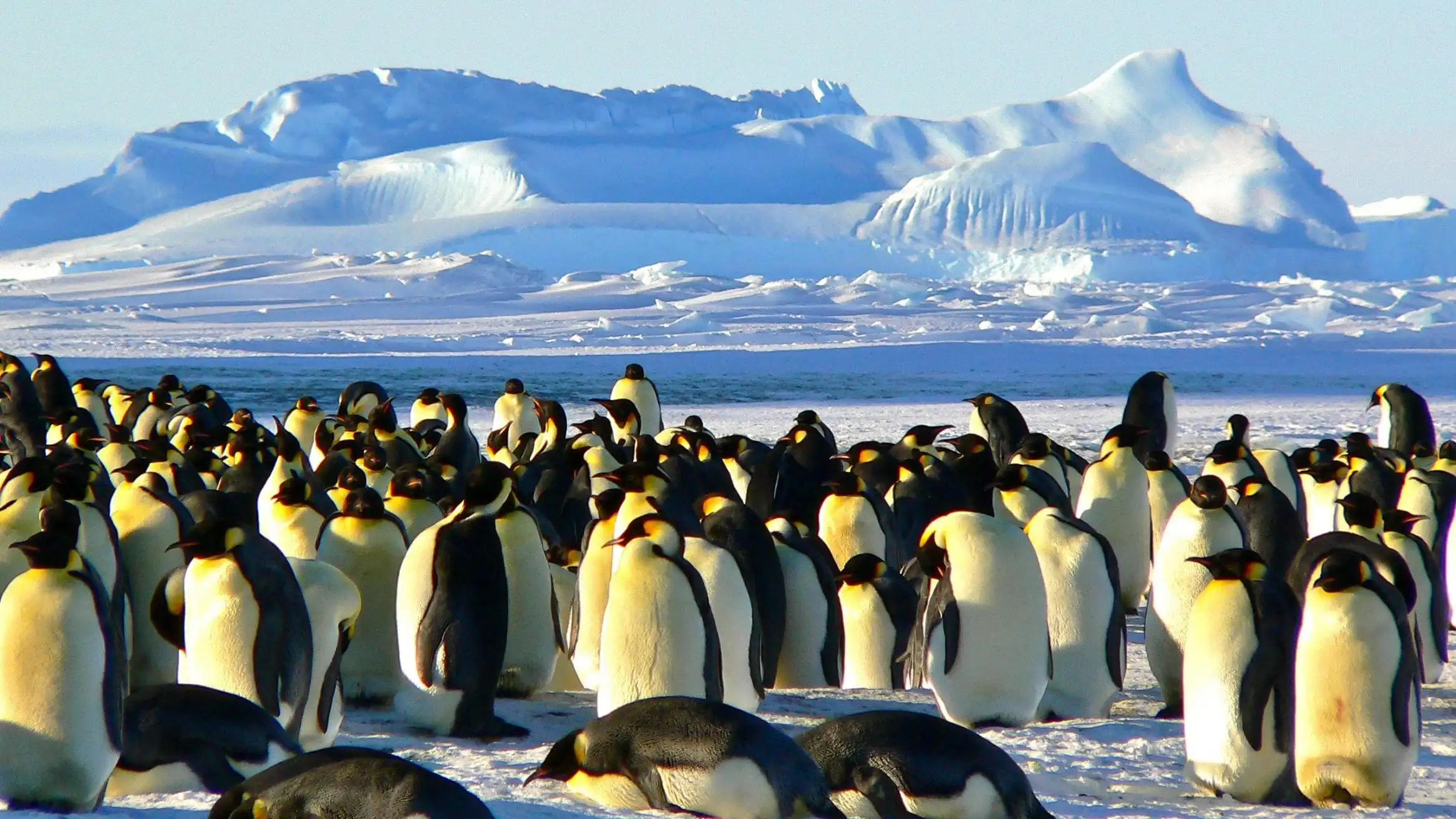
December and January offer the classic Antarctic experience: extraordinary light, active wildlife and the excitement of the austral summer at its height. March offers something different. Gentoo penguin chicks are swimming in shallow waters. The whales are feeding on their last rich meals of krill with desperate urgency and leopard seals begin their mating season. The light is changing as the sun begins to sit lower in the sky, shadows lengthen across ice and rock, emphasizing the intricate textures of glaciers, bergs and Antarctic terrain. And there is a palpable sense that the continent is preparing to close the door behind the season's final visitors. It makes the journey feel fleeting, less postcard-bright, more cinematic.
If you are considering Antarctica in 2027, Atlas Ocean Voyages has built a particularly enticing series of departures around this late-season transformation - highlighting two March itineraries aboard its intimate expedition yacht, World Traveller™, culminating in a 16-night journey from Ushuaia to Buenos Aires that combines Antarctica with the wildlife-rich Falkland Islands. It is an expedition for those who have discovered that the most memorable form of luxury is not simply seeing the world, but seeing it differently.
Two Ways Into the Secret Season
Every journey begins at the edge. Ushuaia, Argentina, sits among the mountains and channels of Tierra del Fuego, with the Andes rising behind the city and the Beagle Channel stretching toward the Southern Ocean. It was nicknamed the "End of the World," but in this context the nickname feels less like a conclusion than an invitation. It is the appropriate departure point for a journey into Antarctica because the city already feels like a threshold between worlds. From here, the Drake Passage becomes the first great transition.
Albatrosses ride the wind. Whales may appear alongside the yacht. The Antarctic Convergence marks the ecological boundary where warmer and colder waters meet. And gradually, the idea of ordinary geography begins to fall away. There is only ocean. Then ice. Then Antarctica.
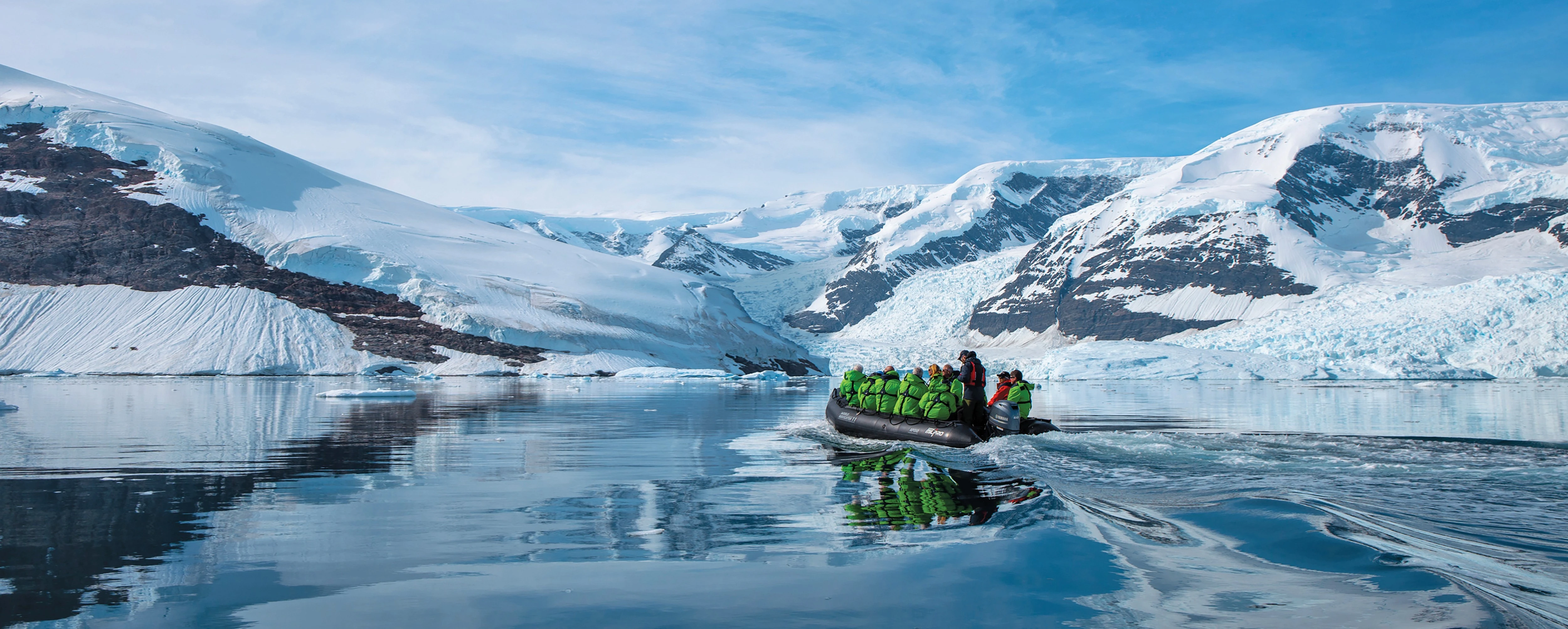
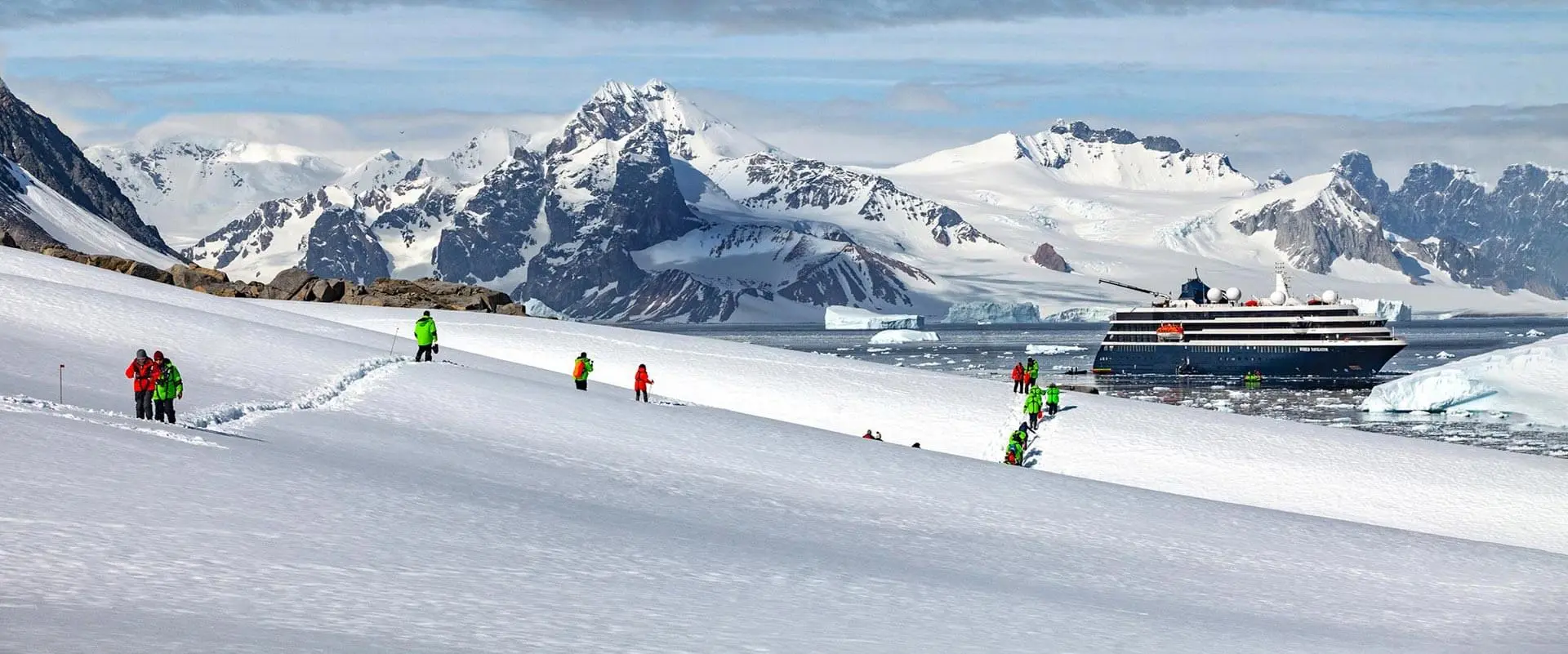
Atlas' March 2027 schedule gives travellers several ways to experience this fleeting period. Rather than treating the route as a fixed sightseeing checklist, Atlas allows the Captain and expedition team to respond to sea ice, weather and wildlife conditions-choosing among potential landing sites and Zodiac excursions accordingly. That philosophy is central to expedition travel. In Antarctica, flexibility is not a compromise. It is part of the privilege.
On March 2, World Traveller departs Ushuaia on an 11-night Exploring the Last Continent expedition, returning to Ushuaia on March 13, after six days of exploring the Antarctic Peninsula. Its late-season timing makes the wildlife story especially compelling: Gentoo chicks, feeding humpback whales and leopard seals provide three very different windows into Antarctica's seasonal rhythms. Atlas also highlights Zodiac safaris and kayaking as ways to experience the Peninsula from the water.
For the traveller who wants the deepest version of the March experience, there is another itinerary that changes the equation entirely. On March 13, 2027, World Traveller leaves Ushuaia on a 16-night Antarctic & Falklands Adventure, arriving in Buenos Aires on March 29. The itinerary begins with the legendary Drake Passage, followed by up to five days of Captain's Choice exploration around the Antarctic Peninsula. One day might bring a Zodiac ride beneath towering ice formations; another might reveal a remote shoreline where penguins gather. Possible Antarctic landing areas listed include Beak Island, Brown Bluff, Cierva Cove and Hidden Bay, although the final experience depends on conditions. And after the Peninsula comes an entirely different world, the Falkland Islands.
The Falklands: Where Antarctica Turns Green
The Falkland Islands provide a remarkable counterpoint to the stark grandeur of Antarctica. Arriving at Port Stanley, visitors exchange the silence of the White Continent for a small, colourful settlement with a distinctly British character, historic buildings, pubs and the famous whale-bone arch. Visit the Historic Dockyard Museum, which explores local life, the islands' Antarctic connections and the history surrounding the 1982 conflict.
For wildlife enthusiasts, the real attraction lies beyond town. At Saunders, Carcass and the West Point Islands, the landscape becomes a theatre of seabirds and penguins. Gentoo penguins can be seen entering the water from rocky shores, while black-browed albatross nest among the tussock grass. Rockhopper and Magellanic penguins add further movement and personality to the scene, while King penguins may also be encountered. The contrast is extraordinary. Antarctica is elemental: ice, mountains, ocean and immense silence. The Falklands are textured and alive: tussock grass, seabird colonies, sheep, rocky beaches and penguins arriving and departing from the sea. Together, they make a much more complete portrait of the Southern Ocean.
A Wildlife Expert Along for the Journey
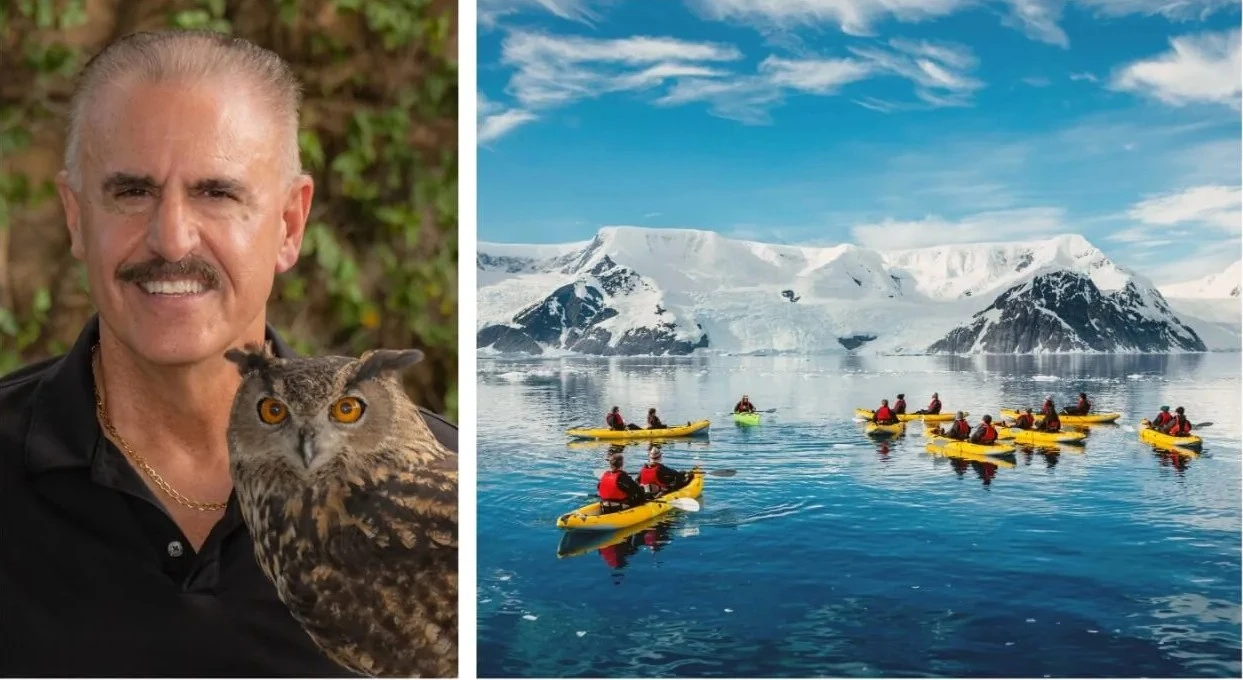
There is another reason the March 13 sailing stands apart. Ron Magill, wildlife expert, conservation ambassador and award-winning wildlife photographer, will join World Traveller for the expedition. Magill has spent more than 45 years working in wildlife conservation, education and photography and is a Goodwill Ambassador for the Zoo Miami Foundation. His presence transforms the voyage from simply a wildlife encounter into something closer to a field seminar-with the field being one of the most spectacular natural environments on Earth. Throughout the expedition, Magill is scheduled to share his expertise through presentations, photography insights, informal conversations and select Zodiac excursions and shore landings.
That distinction matters. Anyone can photograph a penguin. The opportunity to understand why a penguin behaves a certain way, how to anticipate an animal's movement, or how to interpret the relationship between wildlife and the changing Antarctic environment can make the photograph - and the memory behind it - far more meaningful. For serious photographers, Magill's participation adds another dimension. For everyone else, it offers the rare pleasure of travelling alongside someone whose career has been devoted to seeing the natural world with unusual attention. Sixteen nights. Two extraordinary ecosystems and one increasingly rare moment between seasons. This is Antarctica after the obvious season has passed - and that may be precisely why it is worth going.
Expedition, Without Sacrifices
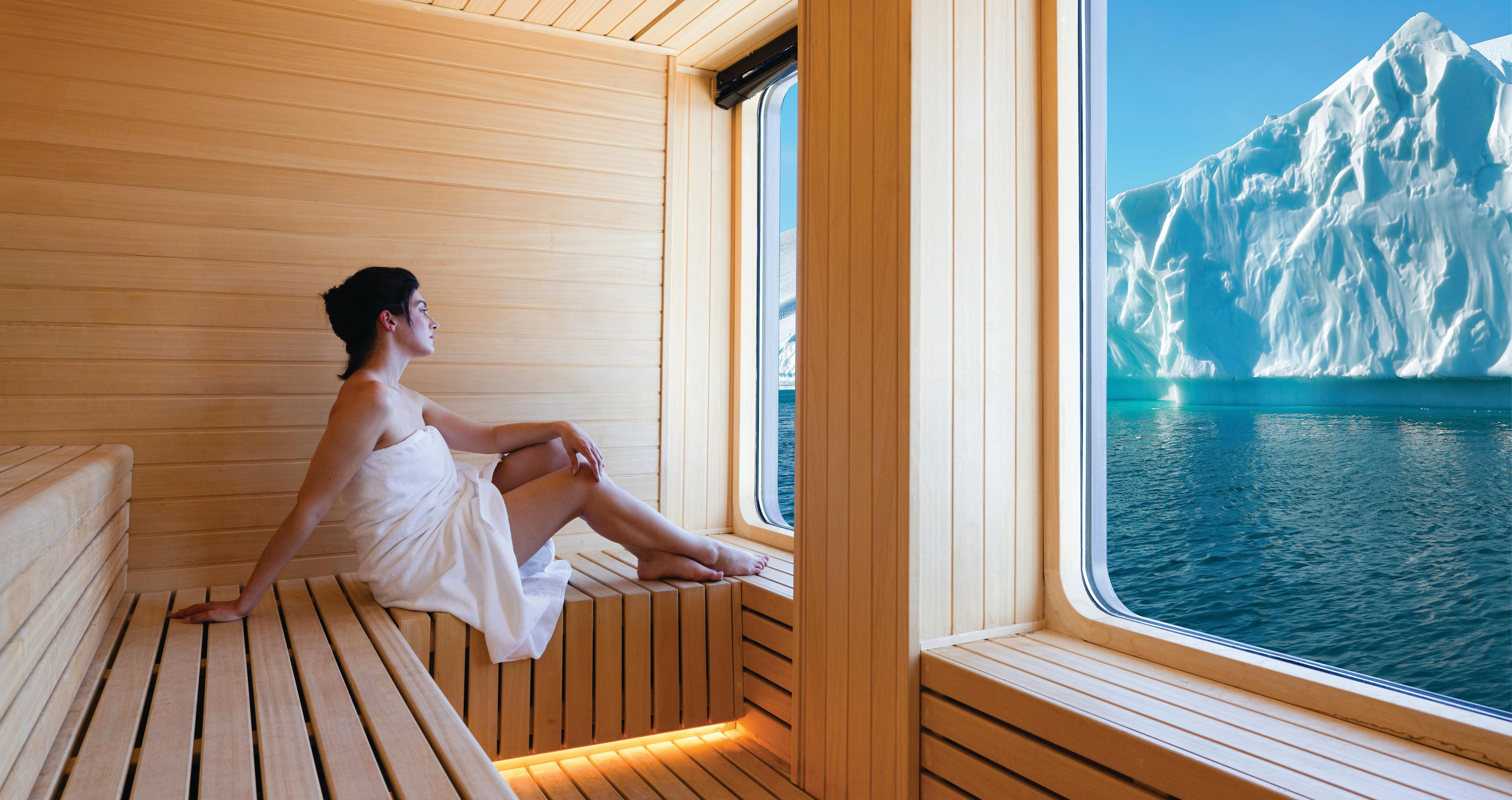
Luxury expedition travel has evolved considerably from the days when reaching Antarctica meant choosing between adventure and comfort. Atlas's World Traveller is designed around a different proposition: go deep into remote environments, then return to an intimate yacht where the experience becomes distinctly civilized.
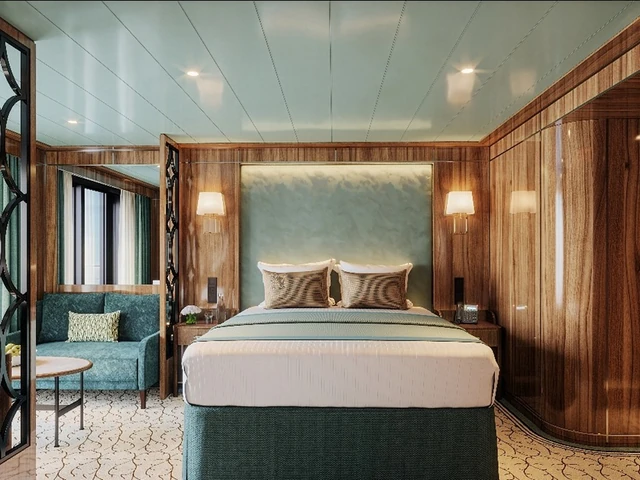
On board, the luxury is deliberately understated. Suites range from 183 square-foot accommodations to expansive Reserve Collection suites, including the 382-square-foot Journey Suite, 445-square-foot Discovery Suite and 465-square-foot Navigator Suite. Reserve Collection suites also include butler service. The idea is not to replicate a grand hotel in the middle of the Southern Ocean.
It is to create a sophisticated sanctuary from which the wilderness can be experienced.
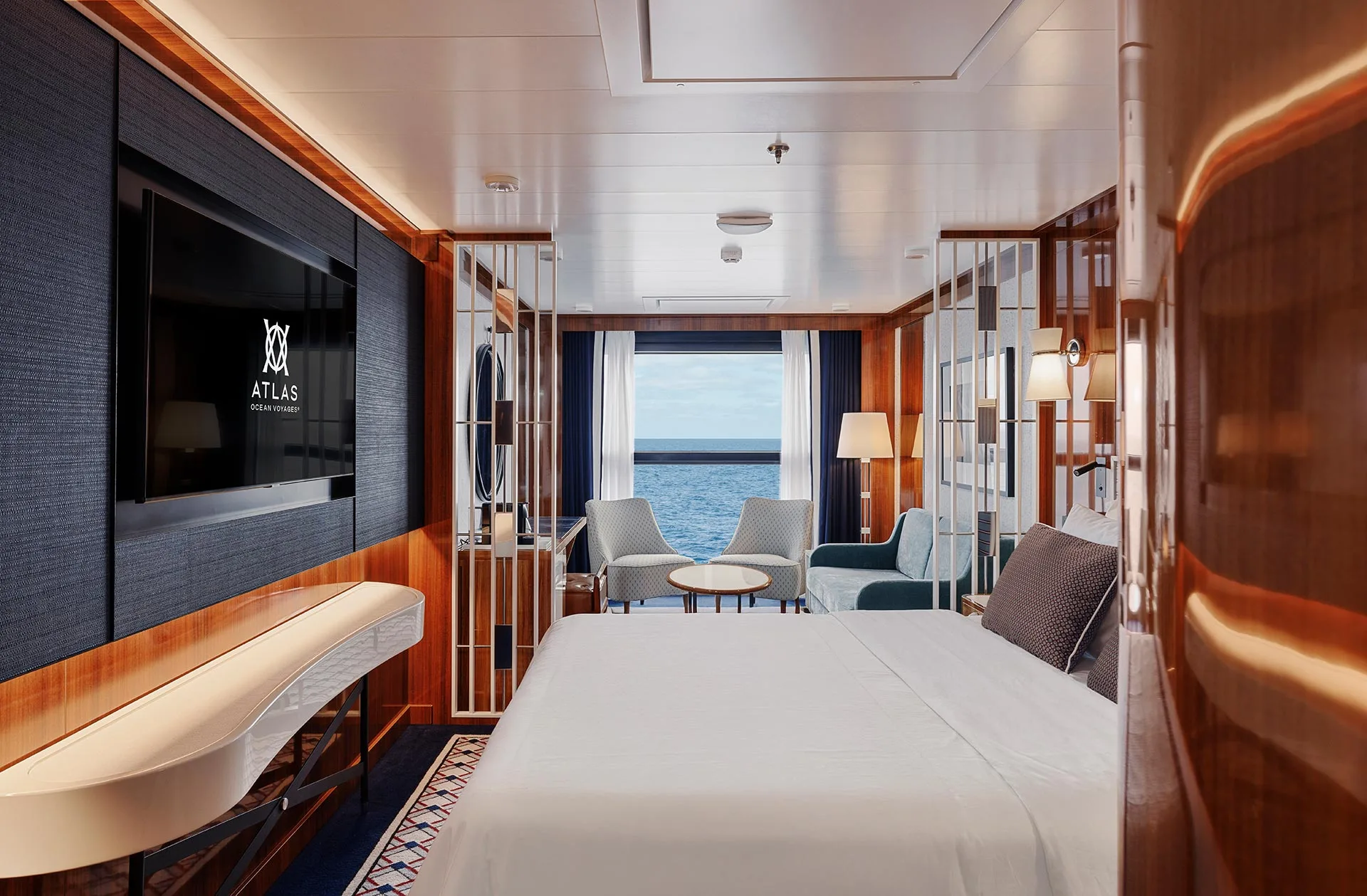
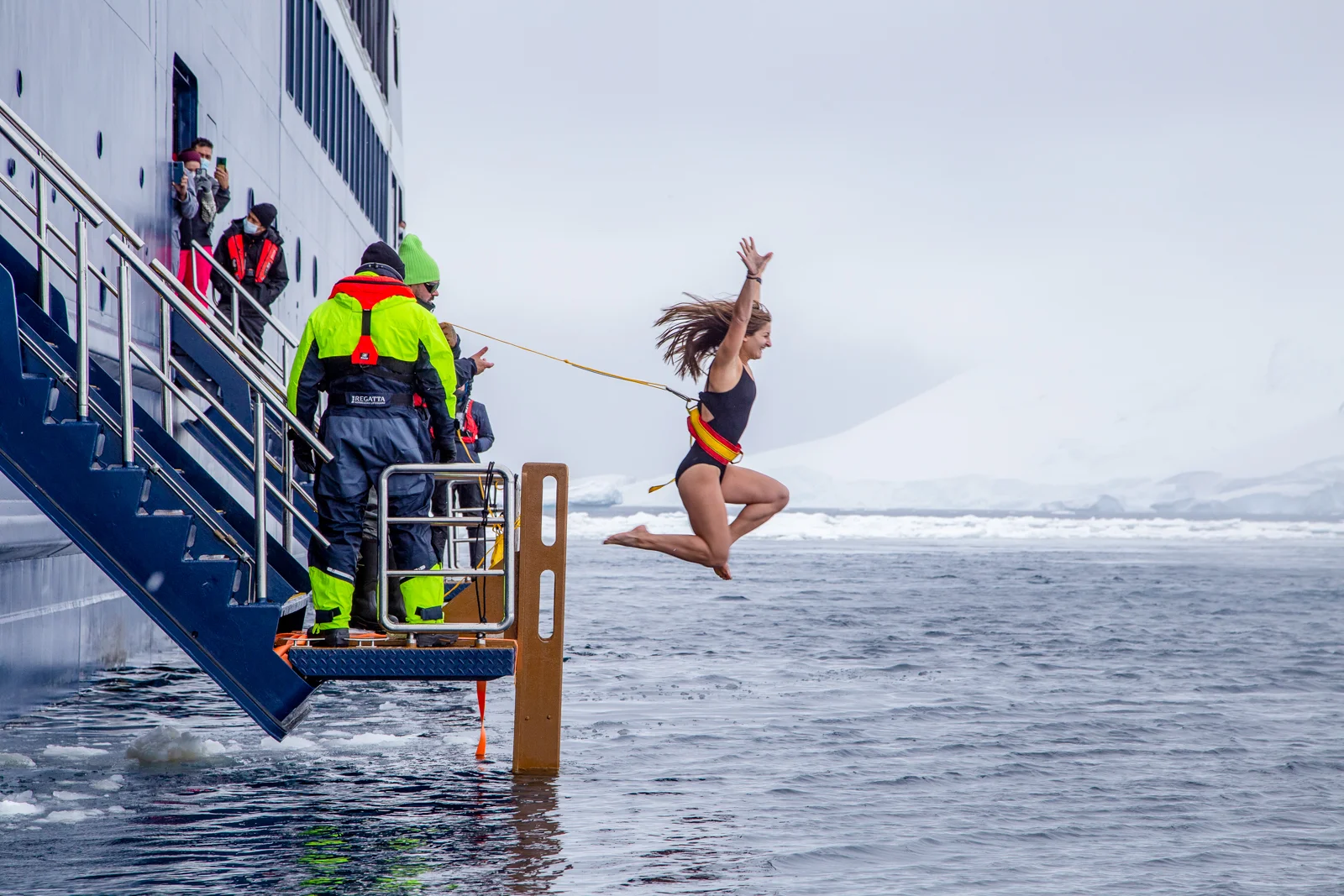
Fine wines and spirits, specialty coffees, afternoon tea, in-room minibars, Nespresso coffee, 24-hour room service and L'OCCITANE amenities are among Atlas's included comforts, while expedition essentials such as parkas, vests, binoculars and walking sticks help make the transition from yacht to wilderness effortless. And then there is the polar plunge - for those inclined to trade the spa for an exhilarating few seconds in Antarctic water.
Enjoy End of Summer Savings on select Antarctica departures booked by September 30th, 2026. Save up to US$8,530 per guest and receive US$250 Onboard Credit as well as Complimentary Suite Upgrade on select Antarctica expeditions.
Contact your Travel Professional for details or visit here.
Featured Experiences
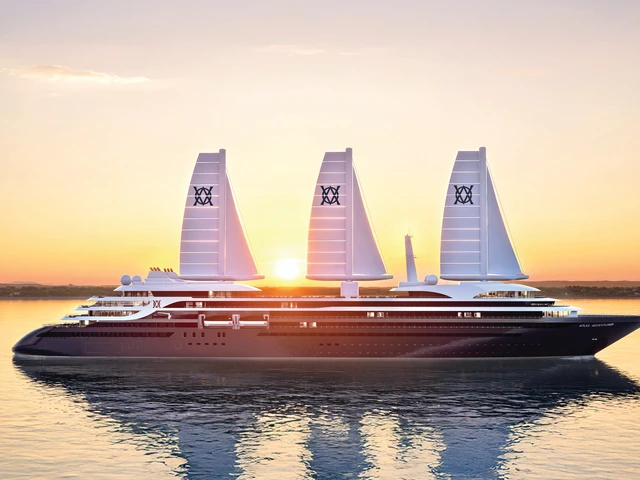
New Atlas Adventurer to Debut with the 128-Night Grand Odyssey Expedition
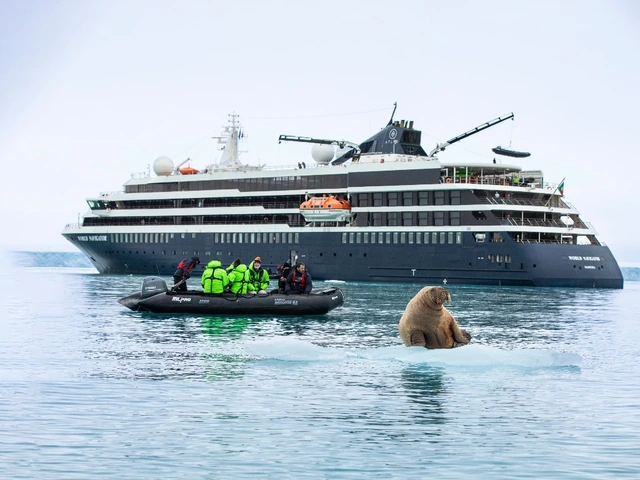
Discover the Arctic with Atlas Ocean Voyages