Meeting rare Emperor penguins in places few others have ever seen – all aboard the Douglas Mawson.
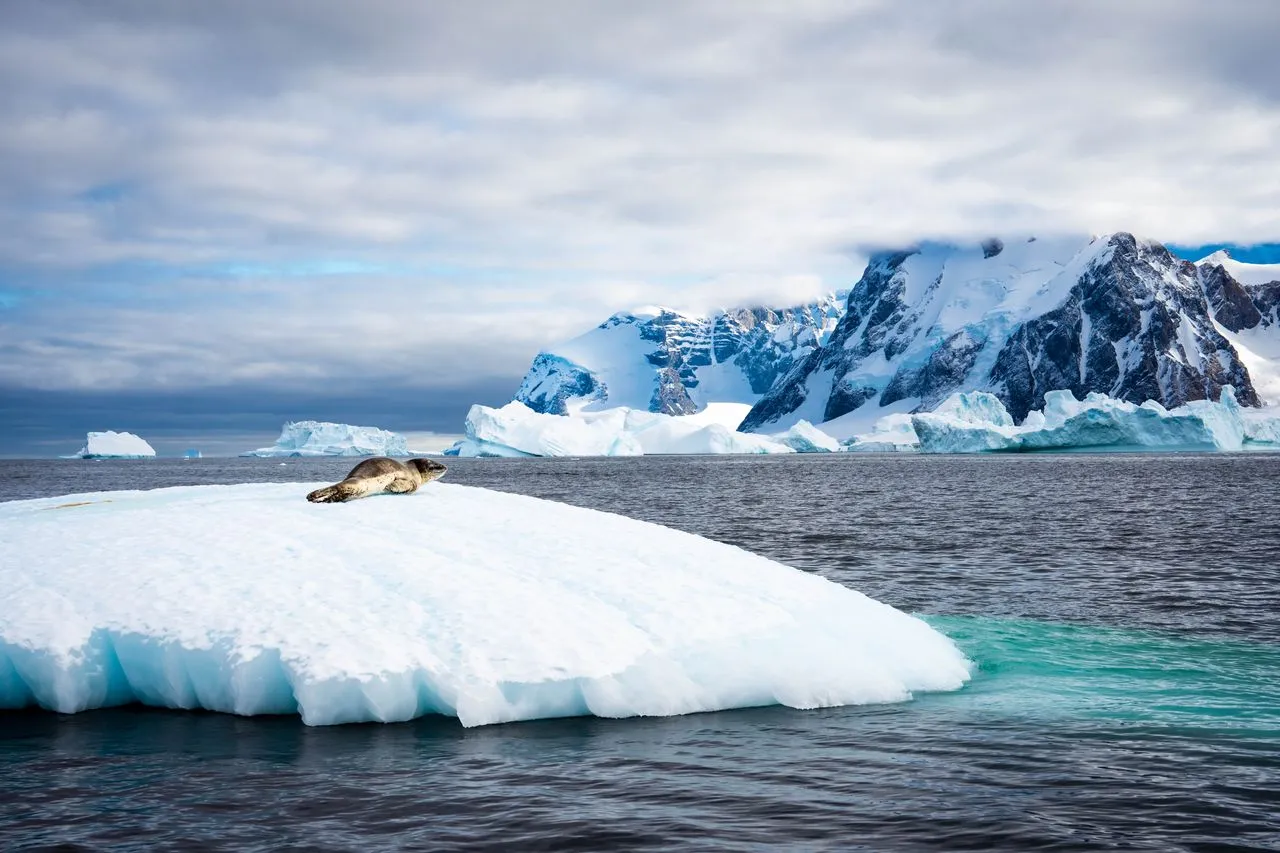
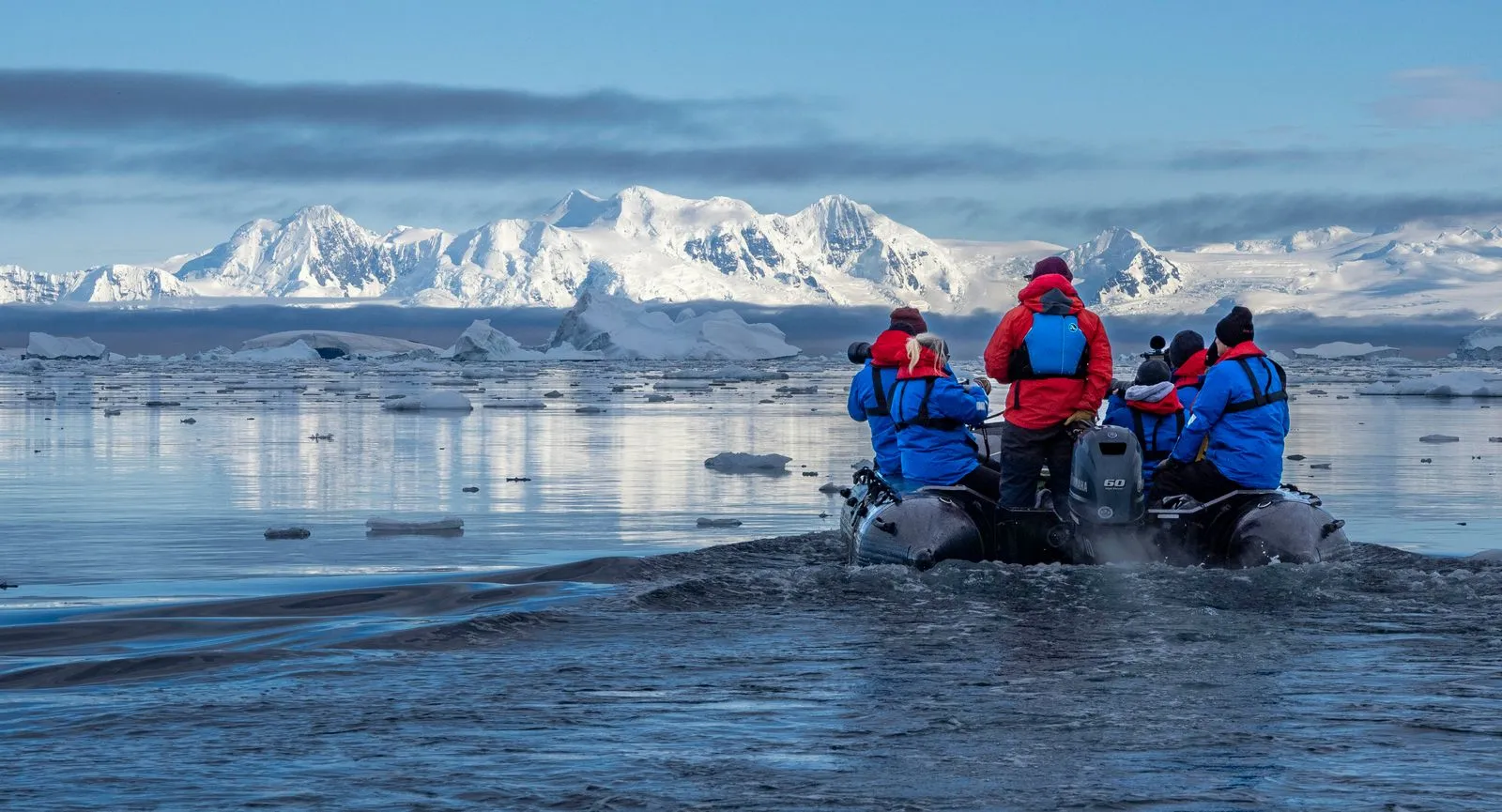
CAN YOU BELIEVE IT? We’re on a little boat on the Southern Ocean, with 3,500 metres of water beneath us,” says our guide and Zodiac driver, as he steers our small craft through frigid passages in a thick band of ice. We motor toward one of the tallest icebergs I’ve ever seen, looming 25 metres above – as high as an eight-story building. “And keep in mind,” he reminds us, “that about 7/8 of it remains below the surface.” Someone makes the inevitable joke about how we’re just seeing the tip of the iceberg, as we continue deeper into this floating, frozen landscape. Winged creatures check us out - snow petrels, a southern fulmar. And then two of the birds we’re really looking for scamper up onto sea ice nearby. Two Adelie’s, the first true Antarctic penguins we’ve spotted on the voyage. “We might be the first human beings these animals have ever seen,” says our guide, bringing home the drama and thrill of the moment. Even by polar standards, we’re in a very, very re-mote place. The vast majority of voyages to the Ultimate South set sail from Argentina or Chile and explore the Antarctic Peninsula, the closest finger of land to the civilized world. But aboard Aurora Expeditions’ brand-new Douglas Mawson, launched in 2025, we steamed out of Tasmania, to the furthest reaches of the coldest, windiest, driest, and highest continent on earth.
Casting lines in Hobart, we had no idea of the great adventure that lay ahead. One, perhaps, reminiscent of Shackleton and the explorers of the Heroic Age of Ant-arctic Exploration, but in modern, and much more comfortable, times. Sailing – in some cases, literally – uncharted waters, we set our bow for stretches of land where, per-haps, no man or woman had ever trod. The first few days went more or less according to plan. After a few days at sea, the Mawson moved into the lee of Macquarie Island. Our landings were limited by inclement weather, but still, this far-flung subantarctic speck of land impressed and mesmerized. The island, known, invariably to Australians as “Macca,” sits roughly halfway between Australia and Antarctica. UNESCO has recognized Macquarie as a World Heritage Site and in their words, it’s “the only place on earth where rocks from the earth’s mantle (6 km below the ocean floor) are being actively exposed above sea-level. ”But beyond geology, it’s the wildlife I’ll always remember, most. Which isn’t surprising: the Australian Antarctic Survey has noted that Macca has one seal or seabird for each square metre of land. Which makes it home to one of the densest populations of animals on the globe.
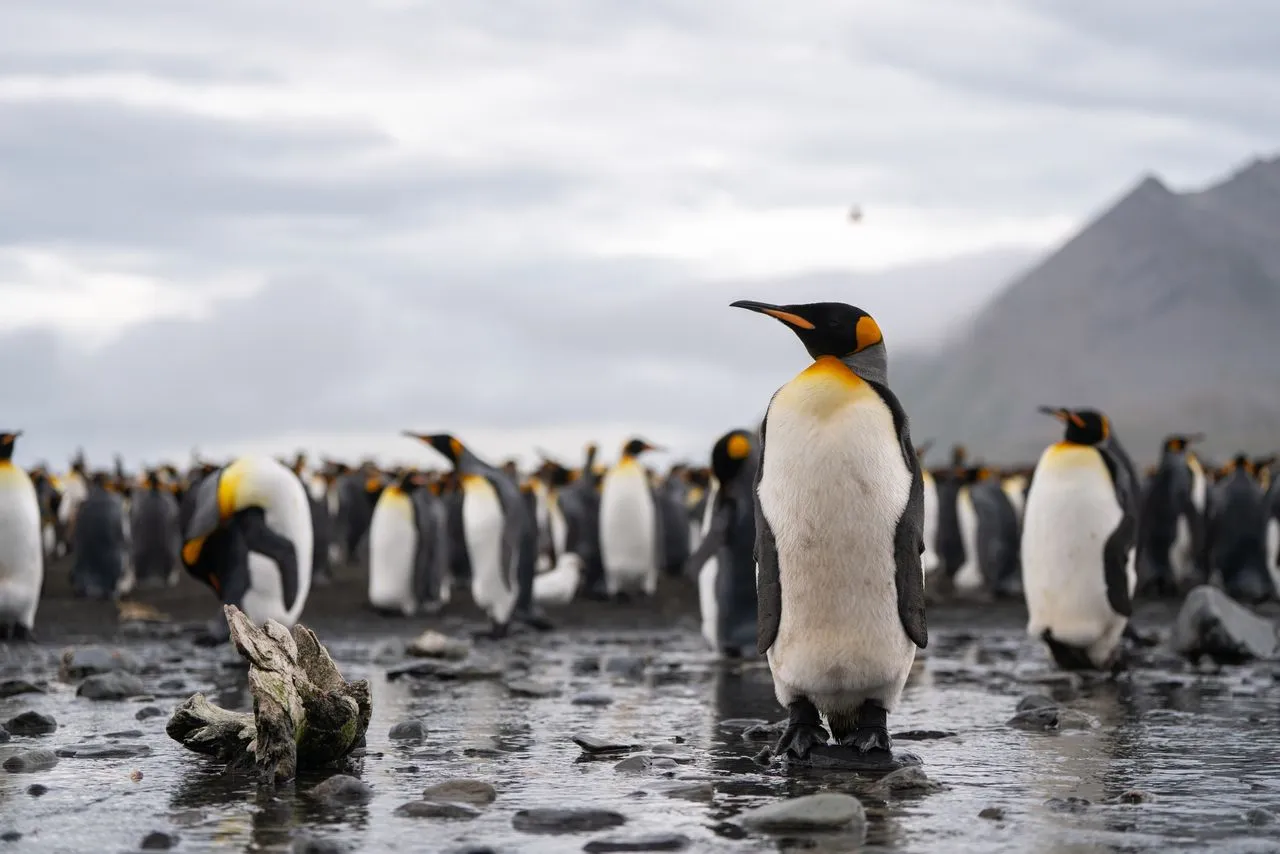
We landed on the beach in pouring rain at a place called Sandy Bay. Around us, several scenes straight out of a David Attenborough film unfolded, all at once. Back down by the water, juvenile elephant seals jousted. Above, huge, wandering albatross soared – the world’s largest bird, with a wingspan growing to 3.5 metres. But again, the penguins stole the show. To the left was a small rookery of Royal penguins, which are entirely endemic to Macca. Totalling 850,000 pairs, this is the only place in the world where these irascible, crested birds breed and nest. To the right, was a colony of king penguins, one of the world’s tallest species, second only to the emperor. A simple stroll here is a walk through wonders. At one point, a friend and I paused to observe a pair of passing King penguins. Strict rules govern how close you can approach but hemmed in on one side by seals, we had no choice but to stand still as the curious birds diverged on their course.
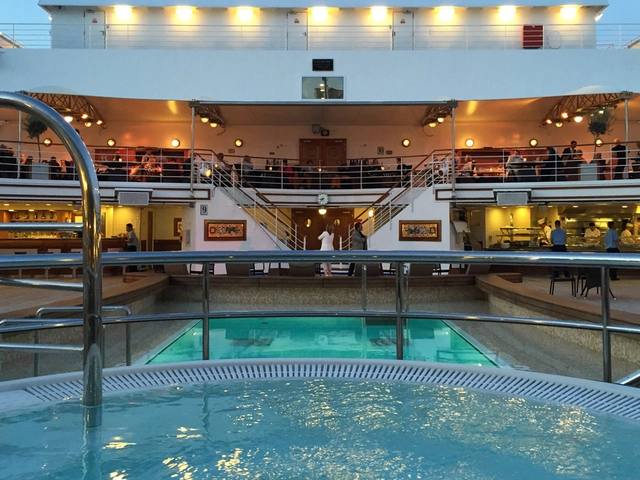
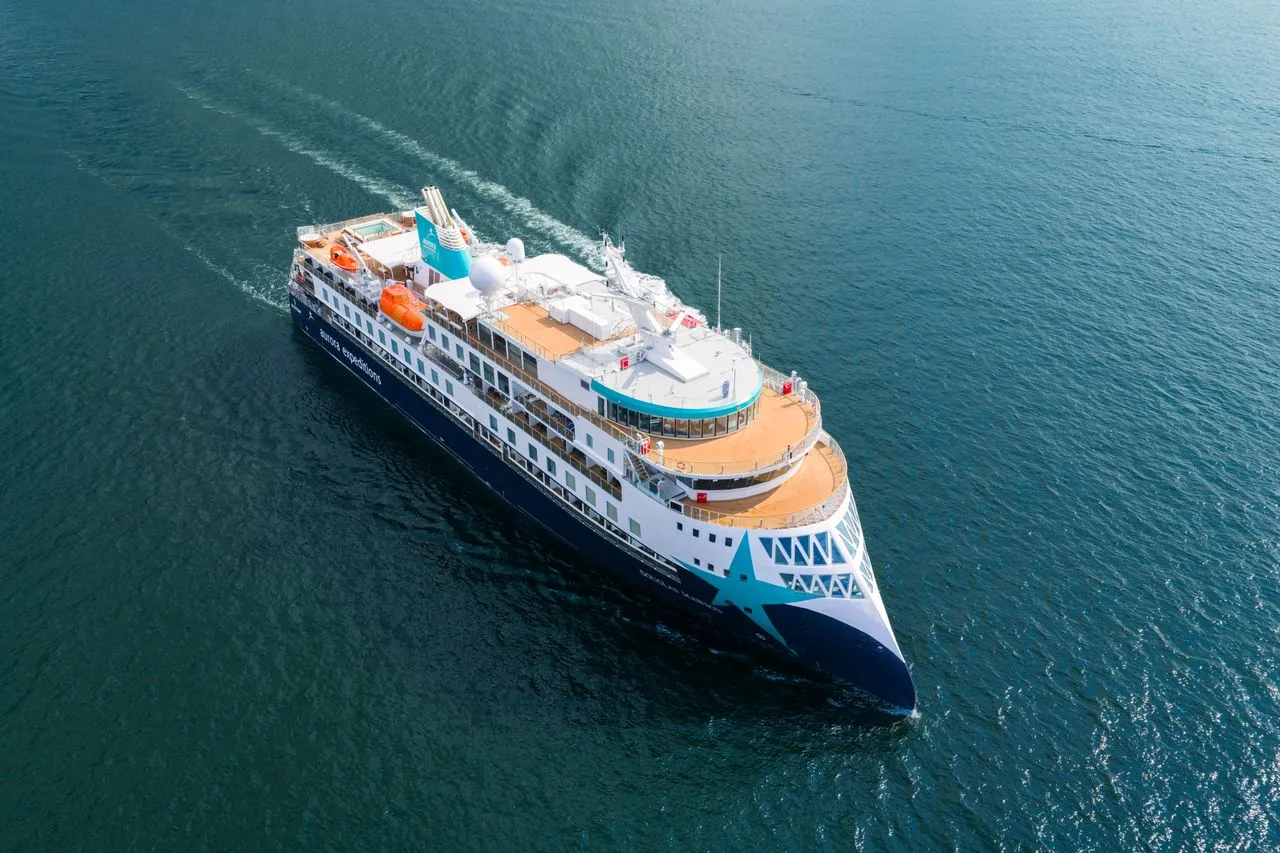
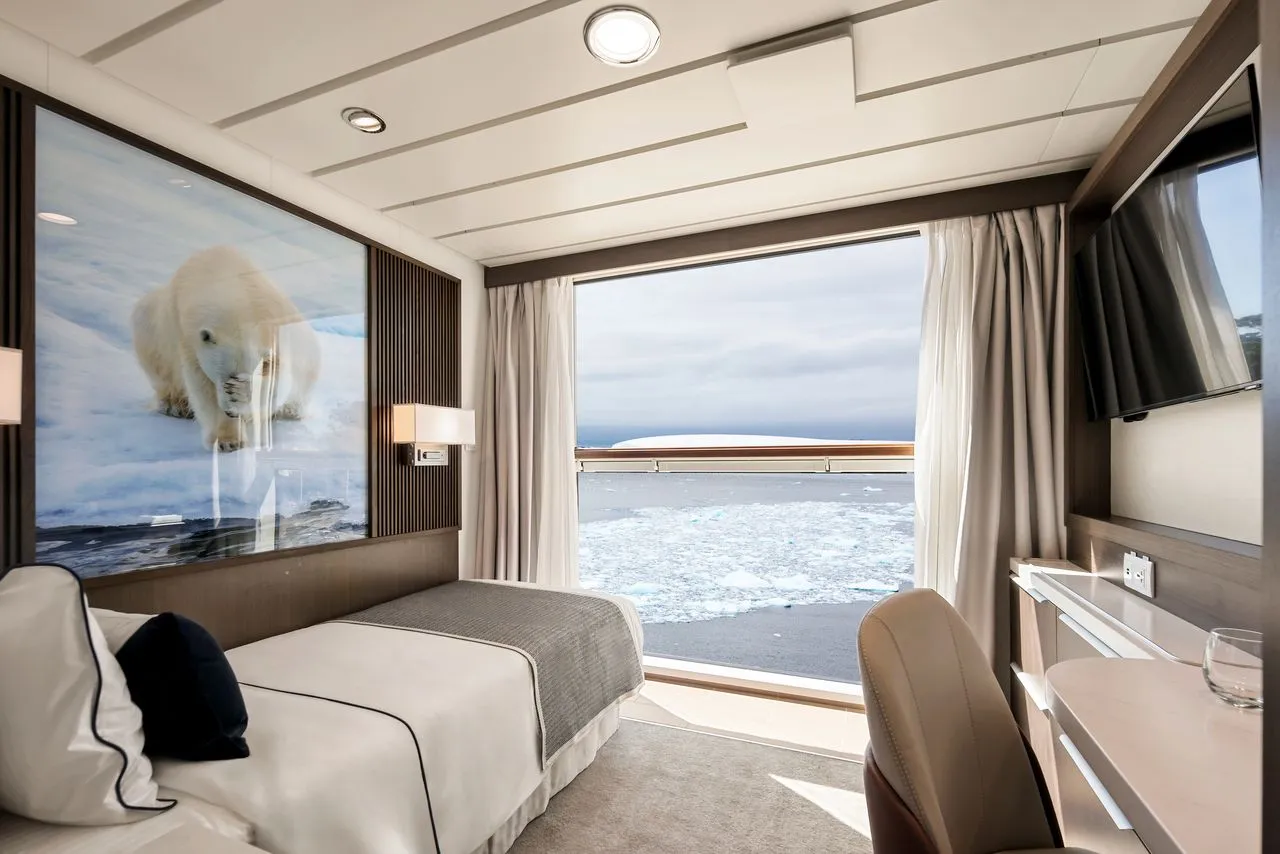
Turning, the two came our way. We held our breath as they waddled, adorably, closer and closer, stopping just a few feet away. They stared at us with what I imagine to be puzzled looks on their little faces. One seemed tempted to peck at my boots. Energy passed between us then just as quickly, the moment passed, the penguins waddled away, seemingly in a hurry to whatever destination was on their schedule. The Mawson departed Macquarie, for points unknown – or at least, not yet entirely decided. Such is the nature, and beauty, of true expedition cruises. A few more sea days lay between us and the Antarctic continent. The Douglas Mawson is a comfortable place to spend them. Named for Australia’s most famous figure of the Heroic Age, the vessel is small, accommodating about 130 guests. The ship is absolutely built for the polar regions, with state-of-the-art stabilizers and a glassed-in X-Bow that slices through swells and ice. Everything inside treads the line between expedition and luxury, with ultra-friendly service, roomy staterooms, excellent food and a pool and two hot tubs on the stern. Most importantly, they have one of the best expedition teams in the business. We sailed south. That is, until we couldn’t anymore.
After dropping Zodiacs for that cruise with the bergs and Adelie’s, we crept closer to the continent. And faced a long band of impenetrable, multi-year ice. Our expedition leader, the famous Australian mountaineer and adventurer Greg Mortimer, called a mid-afternoon meeting in the main theatre. We have options, he said. Our best shot? Make an end-run through an opening to the west, 1.5 days sailing away. Skirting it for hours and hours, we finally turned into the ice. I visited the bridge as the flows and bergs surrounded us. The captain had turned off auto-pilot and was steering by hand. Everything was silent, everyone paying rapt attention to the waters ahead, except for the voice of a crew member, calling out coordinates – port, starboard – as we proceeded. I asked the navigational officer if she thought we’d make it to the continent. “There are charts, and there’s reality,” she said. “Fingers crossed.”
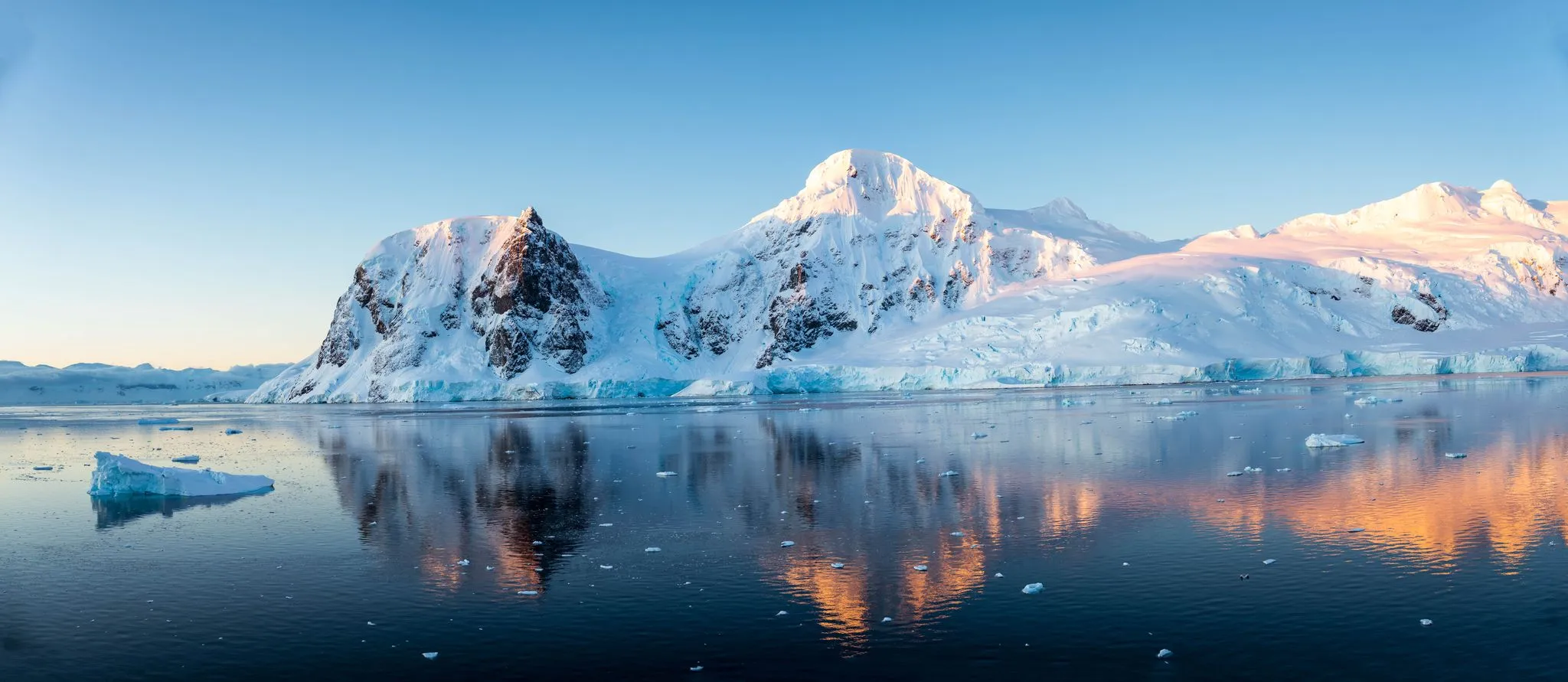
We almost made it. Just 20 nautical miles away from unknown shores, we were halted by the ice. It was just too thick and under pressure from the winds and weather. Still, we had a blast. Everyone took this unexpected detour in stride. There’s a simple, wonderful joy in feeling like you’re sailing off the map, even if you never reach your ultimate destination. No other ships, settlements or anything else touched by the hand of man for hundreds of kilometres in all directions. Perhaps now, more than ever, I understood the mystique and magic that drew Shackleton back to these parts, time and again. We lost track of the days, as we doubled back and headed for New Zealand. But on one very good day, we spot the crown jewel of Antarctic sea birds. It was early morning, most everybody still in bed, when Mortimer’s voice sounded smoothly over the ship’s intercom system.
“We have an Emperor, right ahead of the ship,” he intoned. Extremely difficult to spot – this, the tallest of all penguins, breeds on ice, in places very difficult for humans to reach. I popped out from under the covers and hastily threw on every warm item of clothing I could lay my hands on. In the process, I neglected my socks and slid into my shoes barefoot. Up on the bow, I spotted a visiting scientist who had remembered her socks, but not shoes, sliding across the snowy, frigid deck. The expedition team seemed as excited as guests. We spotted two Emperors off the port side on the sea ice, their large size accentuated by the fact that they stood next to two little Adelies. And then more, and more – off starboard, and straight ahead. The last Emperor we saw that morning left tracks across the snow and ice, propelling himself on his flippers, before popping into the inky, frigid seas. It was a moment I’ll never forget. Just one of many aboard the Mawson, with several still ahead. Super-rare whales and the magnetic South Pole, and icebergs like mountains. We had that enchanting feeling of being the last people on earth with the X-Bow leading us to so many more adventures.
Written by Tim Johnson for Cruise & Travel Lifestyles Magazine - Fall 2026 issue