A week aboard Pandaw’s tiny expedition ship, RV Kochi Pandaw revealed the villages, traditions and natural beauty of Kerala’s backwaters.
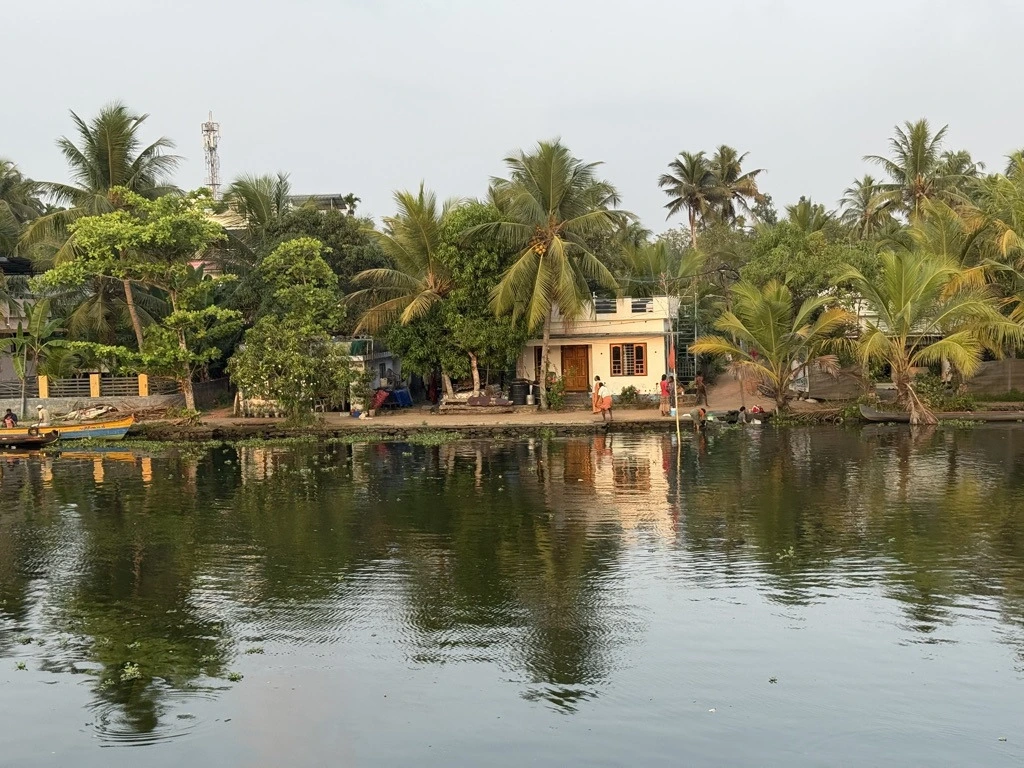
THE FIRST SOUND each morning wasn’t an alarm clock. It was the splash of a fisherman casting his net into still water as the sun slowly lift ed above a canopy of coconut palms. From the deck of our ship, the back-waters of Kerala awakened gently. A ferry carried children and adults to school and work across a narrow canal. Women swept the front steps of brightly painted homes perched at the water’s edge. White egrets skimmed low over rice paddies, and brilliant blue kingfishers flew past before dis-appearing into the mangroves. No rushing, no traffic, and no crowds.
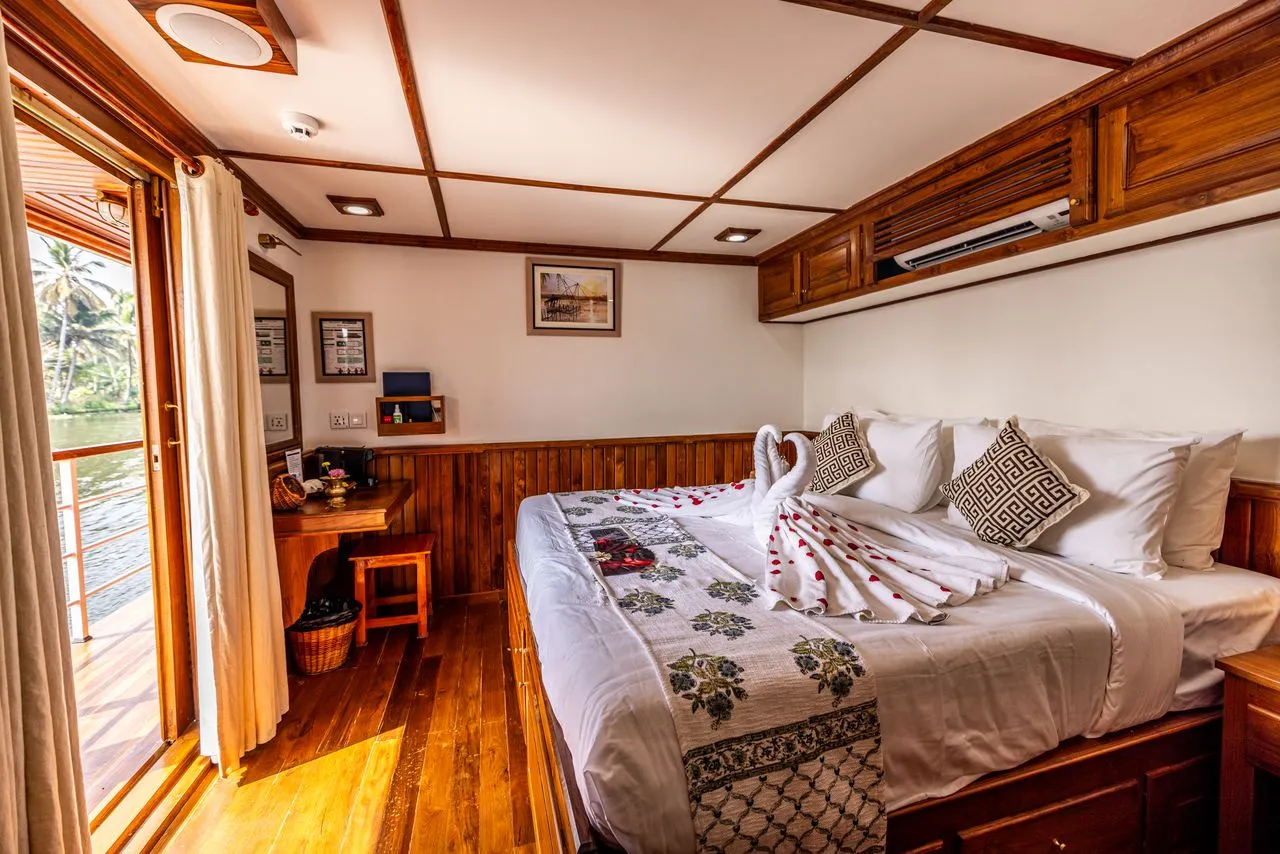
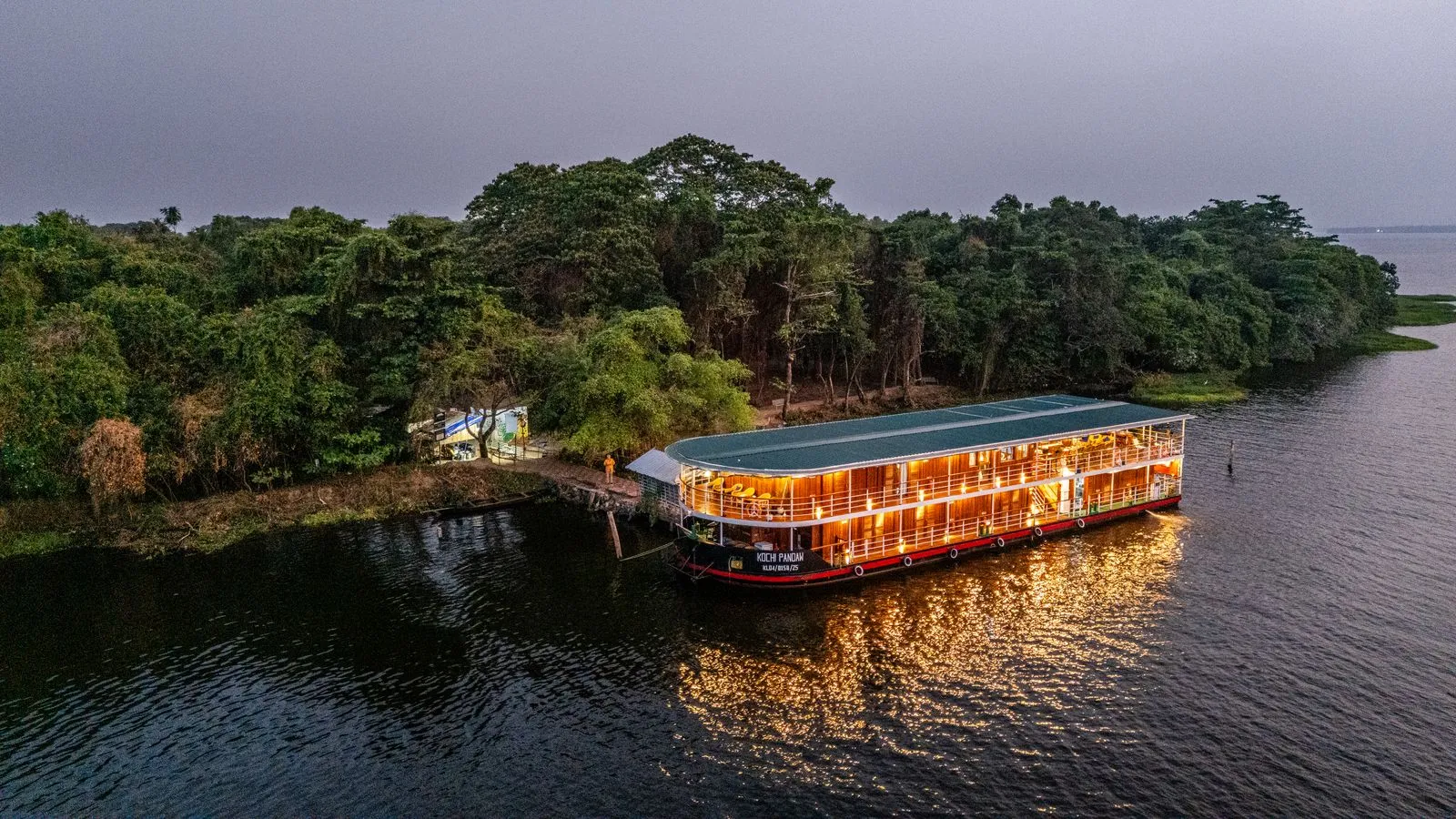
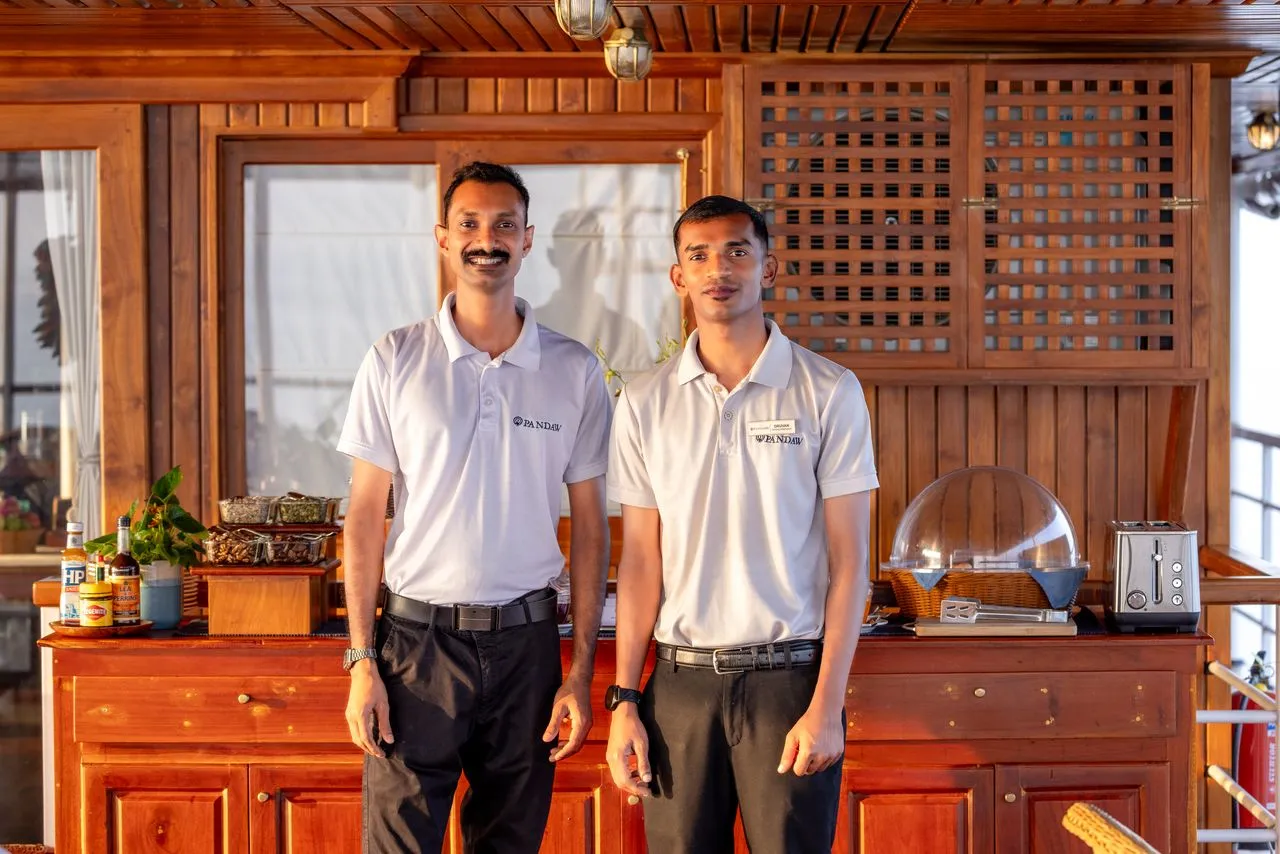
The RV Kochi Pandaw, a 10-cabin teakwood and brass expedition ship, carried just 19 guests, and an Indian crew and staff . Our small ship ventured beyond the routes travelled by day-trippers and overnight house-boats, into narrow canals and water-side villages where the backwaters are the centre of everyday life. Slow travel revealed the heart of Kerala one un-hurried mile at a time. I have travelled in India several times, crossing almost the entire country; however, the backwaters of Kerala had always eluded me. It would have been a long way to go for an overnight stay on a houseboat, but when Pandaw introduced a seven-night itinerary on a new ship designed specifically for the backwaters, I could resist no longer. I had fallen in love with Pandaw’s slow cruise vibe over many years cruising the Irrawaddy River in Myanmar, and the mighty Mekong in Cambodia, Vietnam, and Laos, so I welcomed the opportunity to explore the backwaters of Kerala.
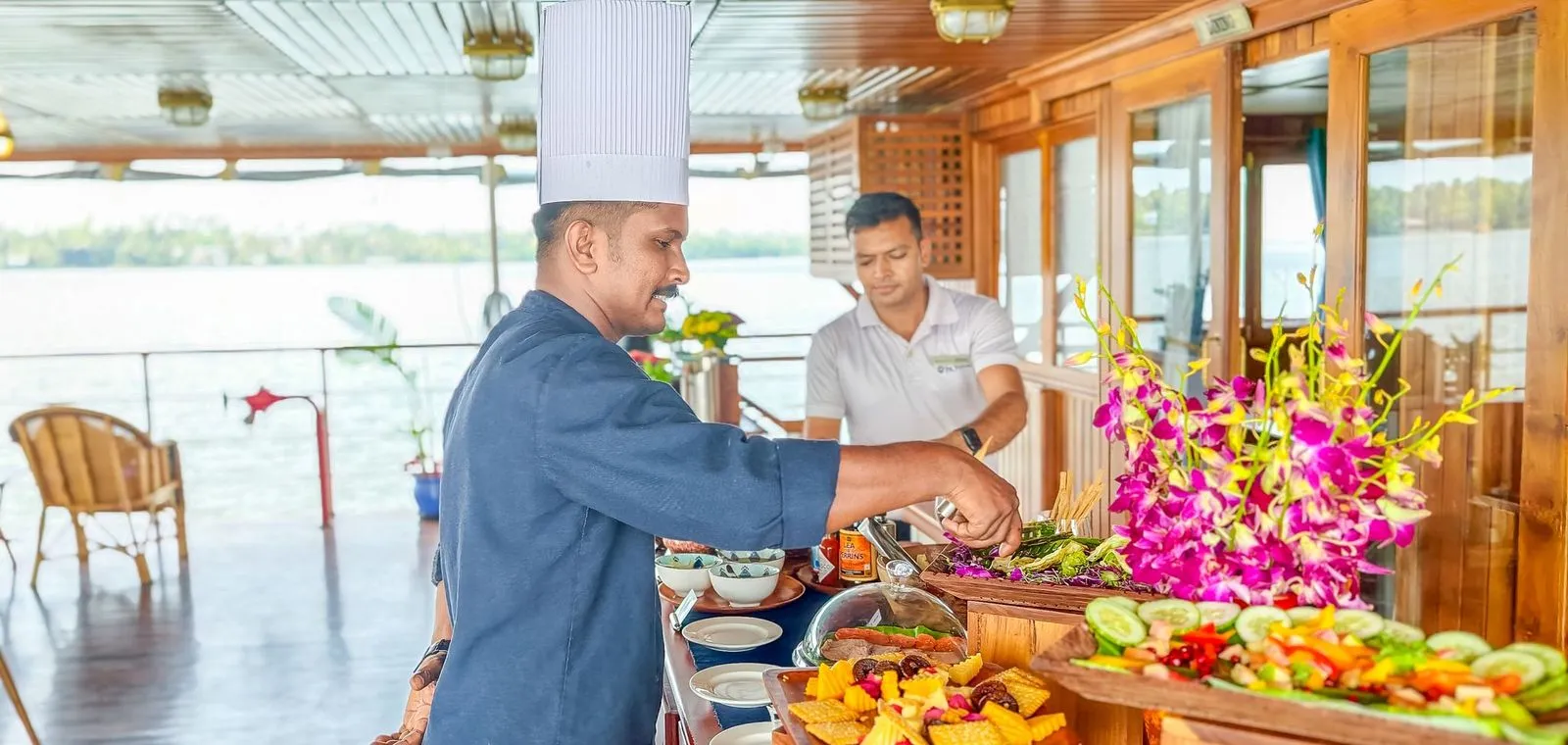
Pandaw’s seven-night itinerary sails roundtrip from Kochi, venturing deep into Kerala’s inland waterways, through remote villages, narrow canals and peaceful lagoons. RV Kochi Pandaw was purpose-built for Kerala’s waterways, including the narrow canal lock entrance linking Kochi with the backwater system. The ship’s shallow draft and compact size make possible an itinerary unavailable to mainstream cruise operators. Built in Pandaw’s signature colonial style with polished teak, brass finishes, and wraparound promenade decks, the ship feels more like a private yacht. There are no casinos, theatres or multiple dining venues. Evenings are quiet and social, often spent over cocktails, regional cuisine prepared by an Indian chef, and conversations with well-travelled guests from Australia, the United Kingdom, Canada, Germany and the USA. What seemed to unite the guests was a love for off -the-beaten-path travel. Kerala’s cuisine is among India’s most distinctive, featuring coconut, curry, seafood and aromatic spices. Meals onboard frequently feature regional dishes such as fish curry, biryani, vegetable thoran and fragrant rices, complemented by tropical fruits grown locally.
My preference was to have meals with just a little heat, while my husband preferred hot and spicy. The chef accommodated everyone’s tastes, and by the second day, he knew each of our preferences. Dining was casual and communal at two long tables – we dined al fresco at every meal, and the cuisine became another expression of Kerala itself. One of my favourite dishes was Fish Nirvana, a pearl spot (Karimeen) cooked in creamy coconut gravy infused with aromatic curry leaves and coastal spices. Others included vegetarian Paneer But-ter Masala, and sweet and savoury rice with fruit and vegetables served in a pineapple. International food choices were available at every meal. Between meals we enjoyed excursions during which we learned about Kerala’s layered history of centuries of spice trading and colonial influence. Each time we returned to the ship, we carefully removed our shoes so staff could clean and place them outside our staterooms.
Our journey began with a trans-fer from our hotel in Kochi to the jetty, where the elegant RV Kochi Pandaw awaited us with a welcome lunch before an afternoon exploring one of India’s most fascinating port cities. At the Kerala Folklore Museum, intricate sculptures and traditional art introduced us to the region’s rich cultural heritage before we wandered through Fort Kochi, where Portuguese, Dutch and British influences remain woven into the city’s architecture and history. For me, the most moving experience in Kochi came in Jew Town and the historic Paradesi Synagogue. Afterwards, I quietly walked on my own to the gates of the crumbling Jewish cemetery. Following Jewish tradition, I placed a small stone in remembrance of those buried there, a simple gesture to show their graves had recently been visited. It was a poignant moment, made even more meaningful knowing that the historic Paradesi Jewish community’s last member died in 2024. As we cruised toward Thaneermukhom, the cultural immersion continued onboard with a mesmerizing Kathakali performance. Combining expressive dance, dramatic storytelling, live music and astonishingly elaborate costumes and full-body makeup, it was unlike anything I had ever witnessed.
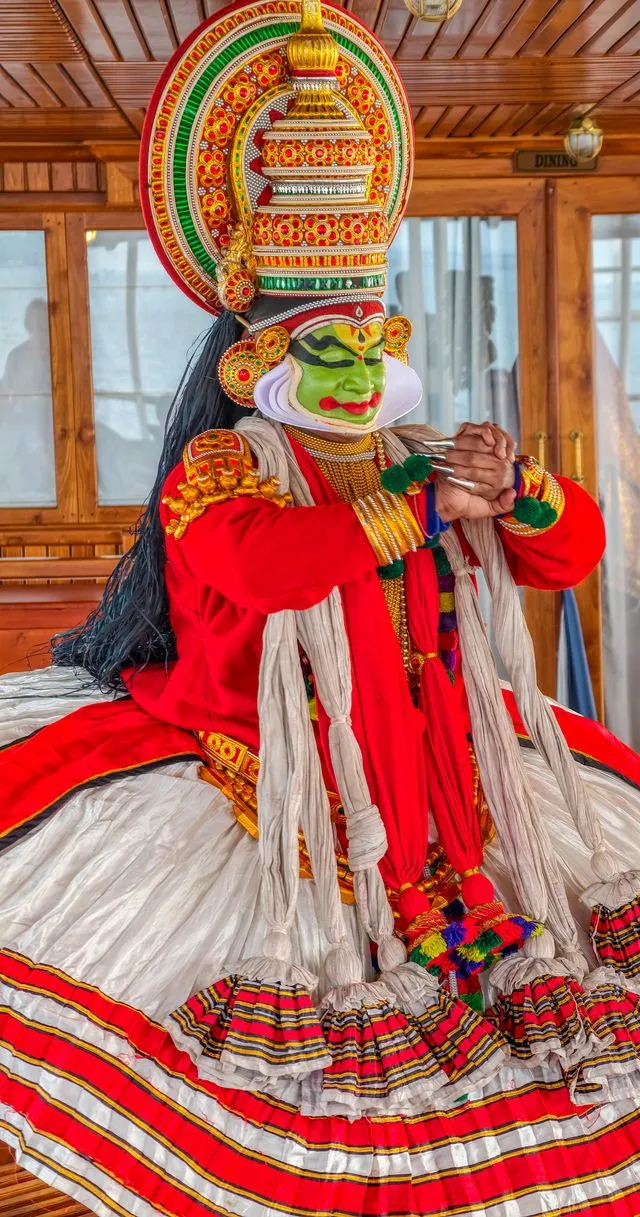
The performers’ expressive eyes and precise hand gestures told ancient stories without a single spoken word I could understand, yet the emotion was unmistakable. Much of the magic of Kerala unfolded not on land but from the water. Near Nattakam, we boarded small Shikara boats for a peaceful journey to the 1885 Munroe Light-house, gliding past endless rice fields where farmers were busy with the harvest. Elsewhere, narrow wooden canoes carried us through intimate canals inaccessible to larger boats.
Along the way we visited family homes and watched artisans trans-form coconut fibres into coir by hand, preserving a centuries-old craft that remains an important cottage industry throughout Kerala. Village walks revealed another side of everyday life. In Kavalam, a stroll through the modest local mar ket led us to a traditional toddy shop, where residents happily welcomed some of our fellow passengers to sample toddy, the mildly fermented sap of palm trees. After a little sniff of a glass, I decided toddy tasting was better enjoyed as a spectator sport.
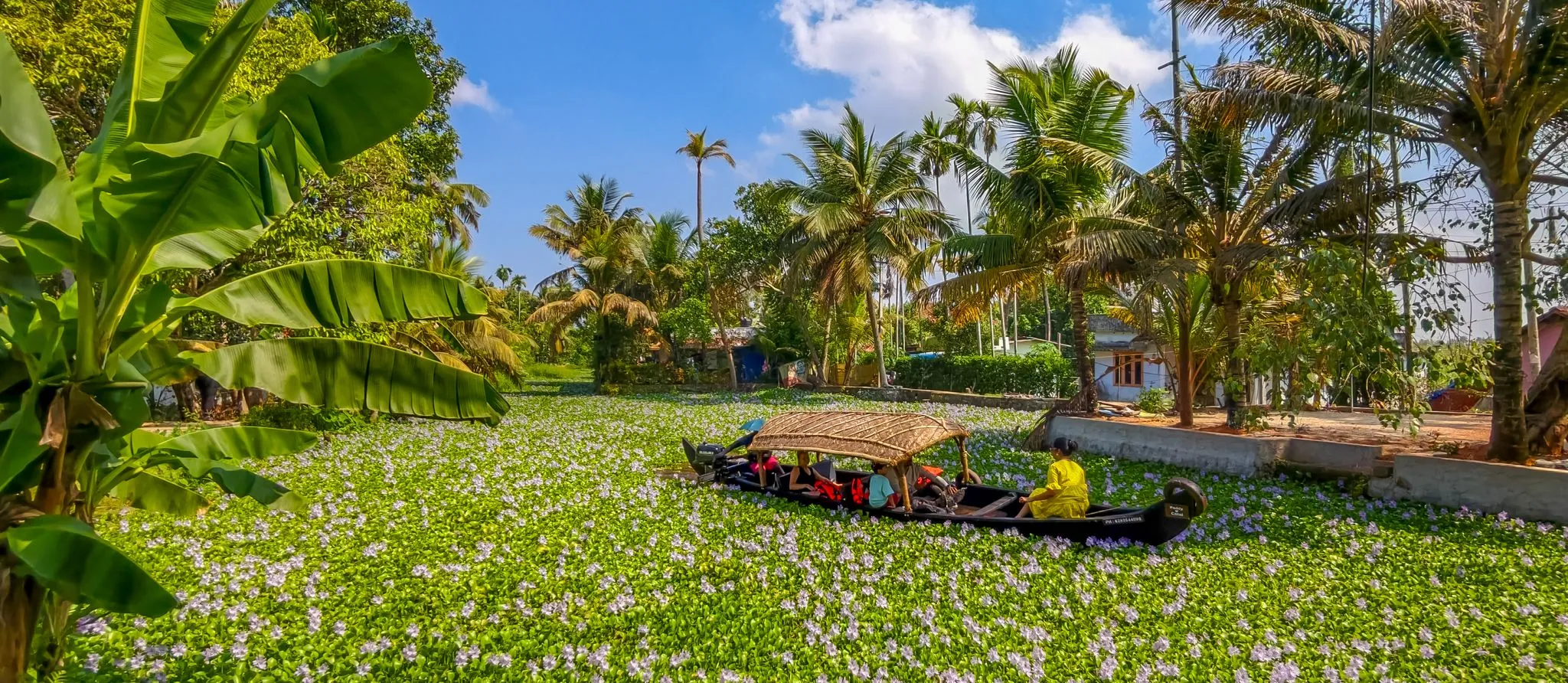
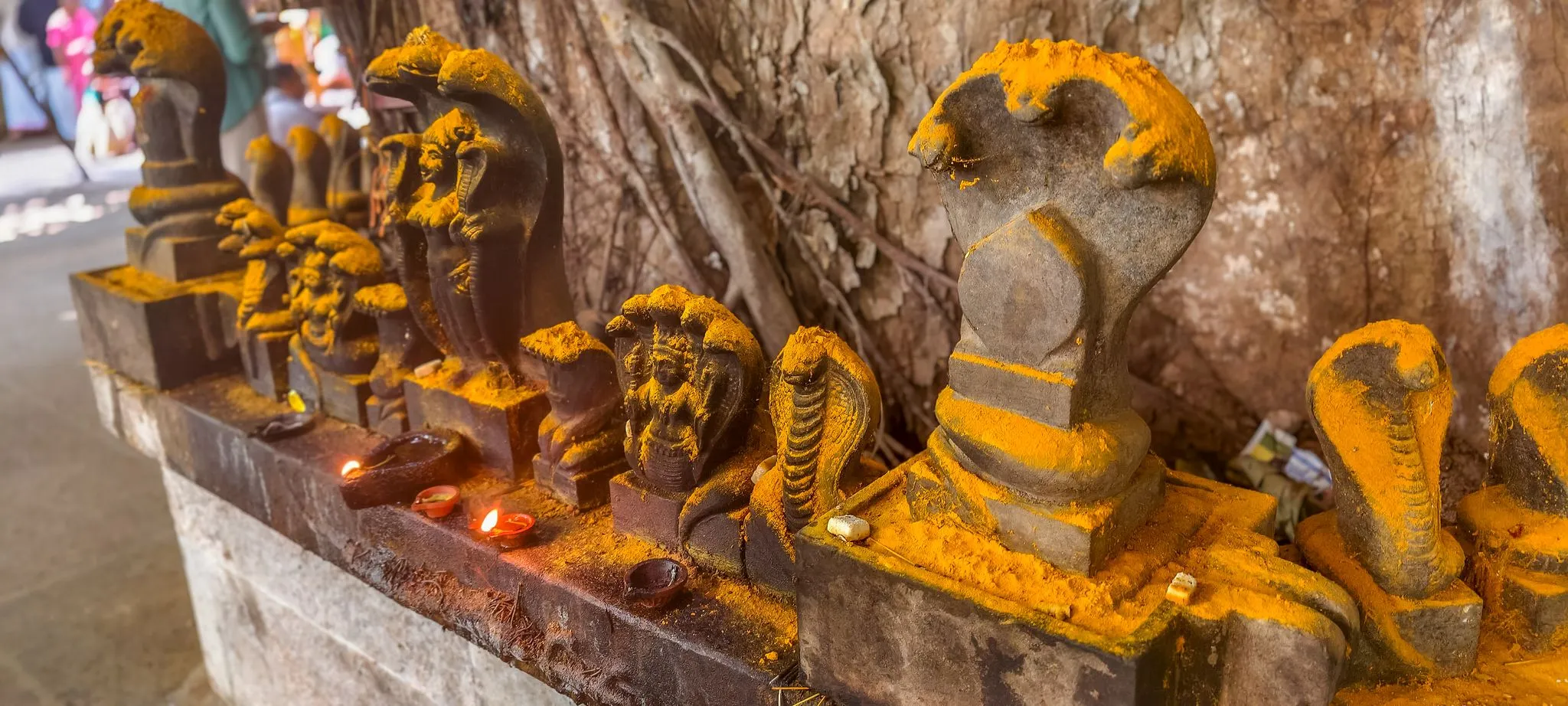
Approaching Alleppey, the waterways became increasingly busy with graceful kettuvallams, Kerala’s iconic thatched-roof wooden houseboats. Moored along the shoreline or quietly cruising the backwaters, they have become symbols of the region and are popular for overnight holidays. One of the itinerary’s most un-expected highlights came at the Mannarashala Snake Temple near Champakullam. Reached by bus from the ship, the temple felt as though it had been lifted straight from an Indiana Jones adventure. Thousands of serpent sculptures covered with orange turmeric pow-der, lined the shaded pathways, creating an atmosphere that was both mysterious and deeply spiritual.
Sounds of thundering and hypnotic drumming echoed throughout the temple. Photography inside the temple was prohibited, encouraging us to focus entirely on the ceremonies taking place. Families dressed in colourful traditional clothing weighed babies on large scales before offering an equivalent weight in food to the temple, while female priests, an extraordinary rarity in Hindu temples, presided over the rituals, making this sacred site unlike any I had visited before.
As our incredible Kerala adventure neared the end, Pandaw offered one last surprise, an onboard spa where massage therapists and henna artists treated guests to complimentary pampering on the open-air deck. Fabulous!
For connoisseurs of small ships and culturally immersive journeys, Kerala’s backwaters may be one of India’s best-kept secrets. Now, thanks to Pandaw, it is finally possible to explore this region slowly, deeply, and entirely by water on a week-long journey.
Written by Judi Cohen for Cruise & Travel Lifestyles Magazine - Fall 2026 issue
Popular Articles & Videos
- Video: Meet the Wine Maker in the 'Tuscany of Austria' on the Danube
- You Need This Suitcase For Your Next Trip to Wine Country
- 3 New, Impossibly Picturesque Boutique Hotels That Make it Easy to Dream About Your Next Trip to Europe
- Cruising with History on Sea Cloud
- Video: Alaska Wildlife Encounters You Can't Miss