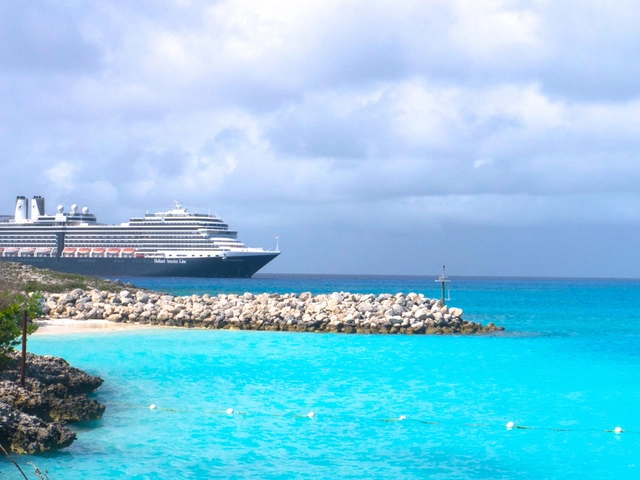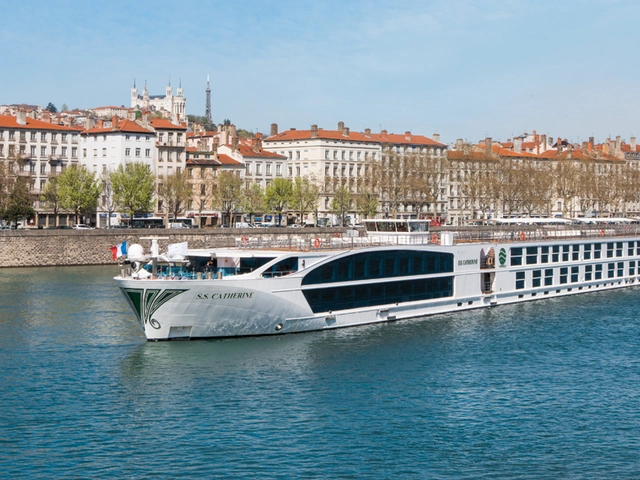
From the wonders of the vast red desert and Uluru (formerly known as Ayers Rock) to lush rainforests and golden coastlines, Australia is a land of dazzling contrasts and untamed beauty. Its diverse wildlife – kangaroos, koalas, wombats and the elusive platypus – thrives in some of the world’s most extraordinary natural habitats. The country’s iconic cities each tell their own story; exciting Sydney shines with its harbour and Opera House, Melbourne hums with culture and creativity, and Brisbane, Perth and Adelaide blend laid-back charm with cosmopolitan flair. The wineries are excellent wherever you may be, as is the food and choice, especially the seafood. The country’s history, Aboriginal peoples, and unique cultures date back over 60,000 years, making them the world’s oldest continuous living culture. Beyond the urban allure lie endless beaches perfect for surfing, snorkelling, or soaking up the sun. The Great Barrier Reef, a living masterpiece, is filled with wonders beneath turquoise waters alive with colour. Road trips like the Great Ocean Road or the Red Centre Way reveal Australia’s raw beauty at every turn. Wherever your journey leads, you’ll be greeted by friendly locals whose warmth reflects the spirit of this remarkable island continent. It’s breathtakingly beautiful wherever you may go.
Exploring culture, coastlines, and culinary delights in Australia’s southern state
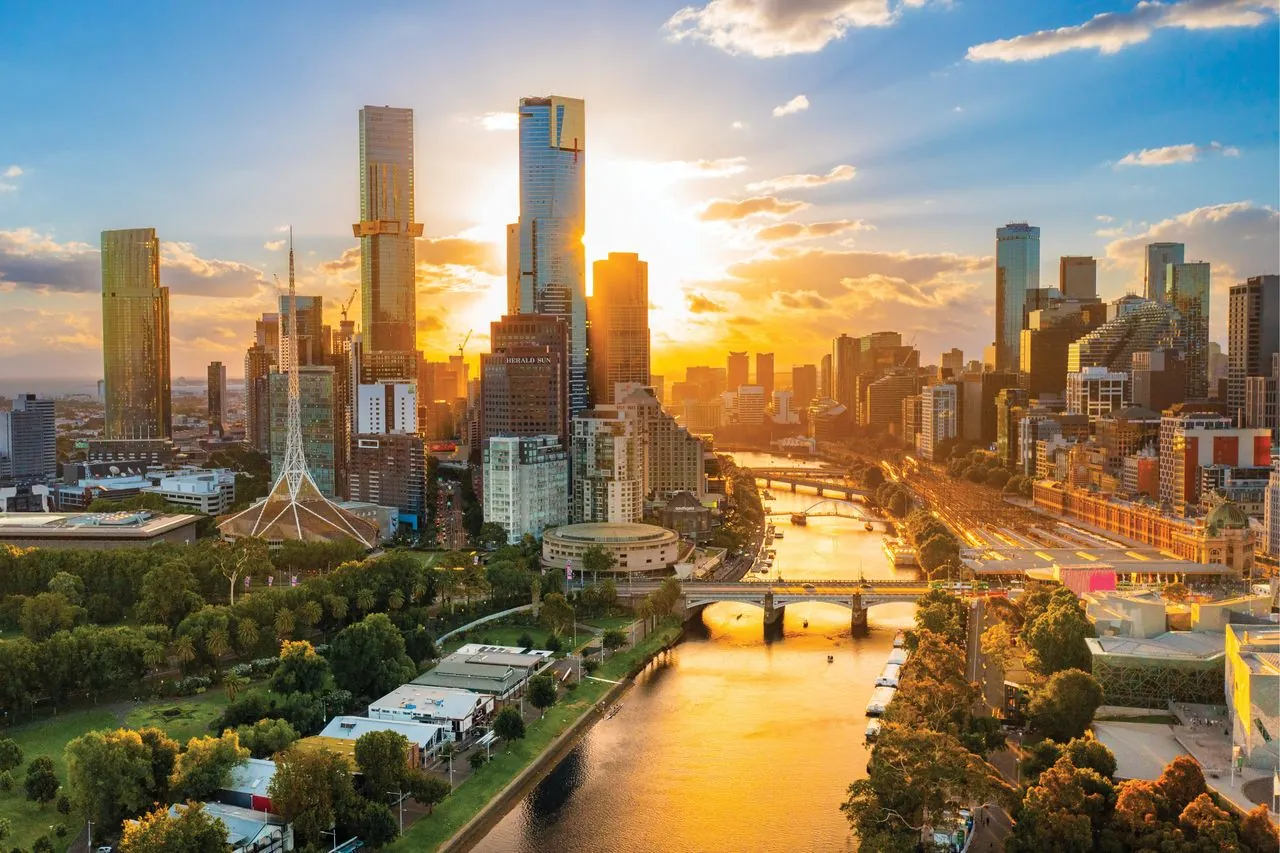
COVERING 227,600 square kilometres on Australia’s southeast coast, Victoria may be the smallest mainland state, but it is a powerhouse of Aboriginal culture, gastronomy, and the great outdoors. Here is a guide to three unmissable destinations that reveal Victoria’s true splendours. Cultural Capital Nestled in Port Phillip Bay, Melbourne – Mel-ben, as it’s pronounced by the locals – is the vibrant capital of Victoria, with the Yarra River winding through its heart. The First Peoples named it Narrm and the river Birrarung, and today, the city acknowledges and pays deep respect to its traditional custodians by celebrating their history and culture in many meaningful ways. Melbourne’s attractions are within walking distance, and the free trams that run through the downtown core make getting around easy and convenient. Start by wandering through the Queen Victoria Market to feast your eyes and taste buds. Open since 1878, the beloved “Vic Market” is a historic Melbourne icon spread over two city blocks. It features a farmers market, meat and seafood halls, food trucks, eateries, and shops selling everything from apparel and books to toys and hardware. With over 600 vendors, the National Heritage-listed landmark celebrates a tradition that has endured since colonial times. Move on to Fed Square, Melbourne’s vibrant arts precinct. This lively public square is a natural meeting place for locals and visitors alike. Don’t miss the Koorie Heritage Trust (KHT), a First Peoples-owned and managed cultural centre showcasing the art, artefacts, language, and traditions of the Aboriginal peoples of southeastern Australia. The KHT also offers Aboriginal guided walking tours along the Yarra and workshops that deepen understanding of the region’s original settlers. Next door, discover more First Nations art at The Ian Potter Centre: NGV Australia. These museums – and many others throughout Melbourne – offer free admission. For a breath of fresh air, amble through the living collections of the Royal Botanic Gardens, where over 8,500 plant species thrive in harmony. Extending over 38 hectares, the serene garden showcases flora ranging from the curious to the truly fascinating. From succulents and cacti to flowering shrubs, centuries-old conifers, and towering eucalyptus that pierce the sky, botanical treasures fill every corner. Some of the wonderful activities there include Aboriginal Heritage Walks with a First Peoples guide and punting on the ornamental lake.
More cultural experiences can be found at the Immigration Museum, the Melbourne Symphony Orchestra, the Australian Ballet, and annual events such as the Melbourne International Jazz Festival and the prestigious Melbourne Cup. When it’s time to unwind, Melbourne’s beaches are just a few kilometres away. From lively St.Kilda to the gentler stretches further along Port Phillip Bay, the sandy beaches, calm waters, and scenic promenades make for an inviting coastal escape, offering a refreshing counterpoint to the city’s energetic culture. Just like its multifaceted attractions, Melbourne’s dining scene is equally diverse, with options spanning the downtown core to nearby neighbourhoods. From timeless institutions like Pellegrini’s Espresso Bar (which also serves hearty pasta) through to the Vietnamese eateries of Richmond, the Middle Eastern kitchens of Brunswick, and the cluster of restaurants in China town and Koreatown, there is a rich variety of cuisine to explore. Modern menus also make inventive use of native ingredients such as roasted wattleseed, finger lime, barramundi, and kangaroo, creating flavours that are distinctly Australian. The city’s renowned coffee culture is also not to be missed.
The Splendours of Victoria
Victoria’s Secret
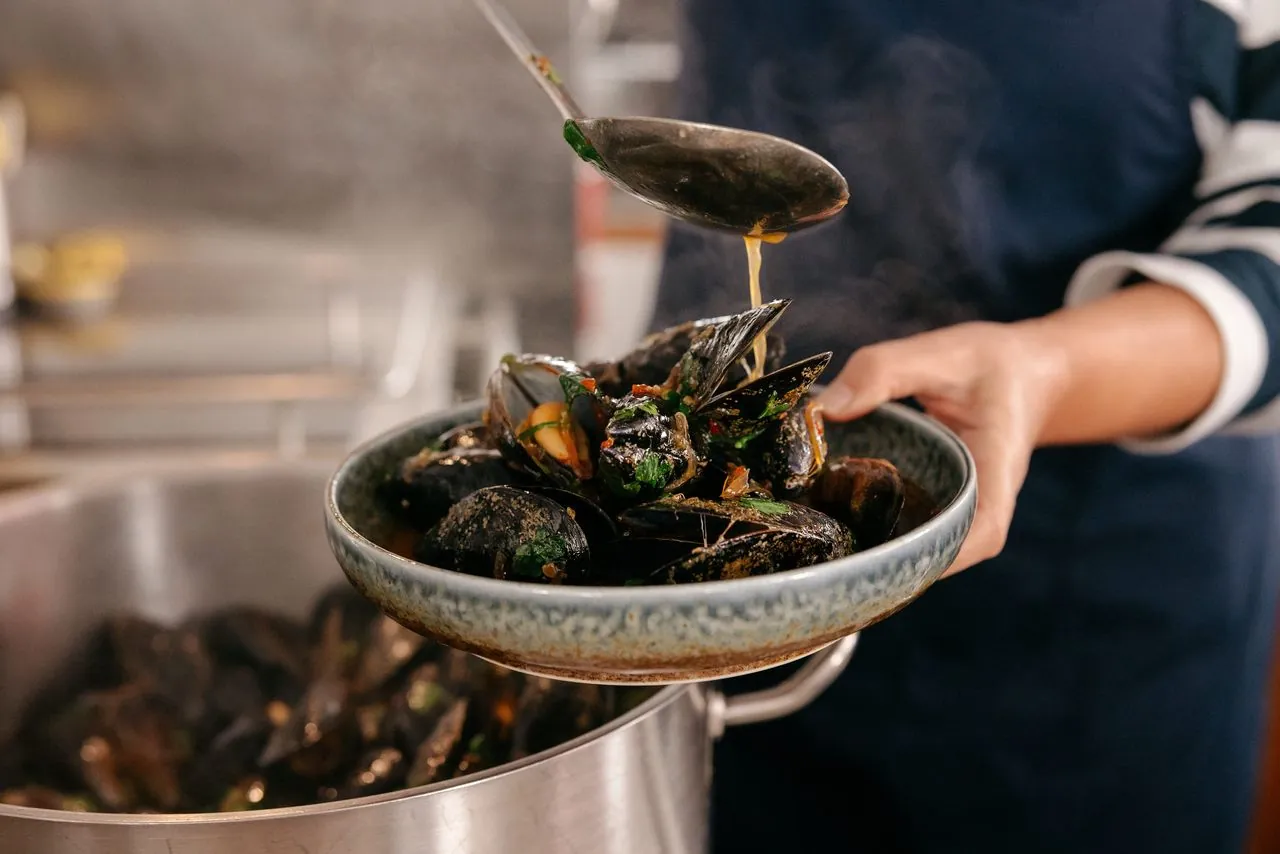
Located 70 kilometres southwest of Melbourne, Geelong (pronounced Je-long) and The Bellarine is an uncrowded, undiscovered treasure for lovers of gastronomy and the outdoors. While reachable by car, a more scenic and stress-free option is the Port Phil lip Ferries, which depart daily from Melbourne’s Docklands. Arrive in Portarlington – Australia’s mussel capital – in time to savour a heaping bowl of blue mussels. For a deeper dive into the famous mollusks, book a boat tour to the mussel farm, complete with a cooking demonstration and tastings. The Bellarine Peninsula is home to more than 40 wineries, many of which also offer casual and fine dining with panoramic views over Port Phillip Bay. Beyond wine, the region features craft breweries, distilleries, and a cider house. Local producers of honey, olive oil, fruit, smoked seafood, and natural goods can be visited as part of the 30 locations featured on The Bellarine Taste Trail.
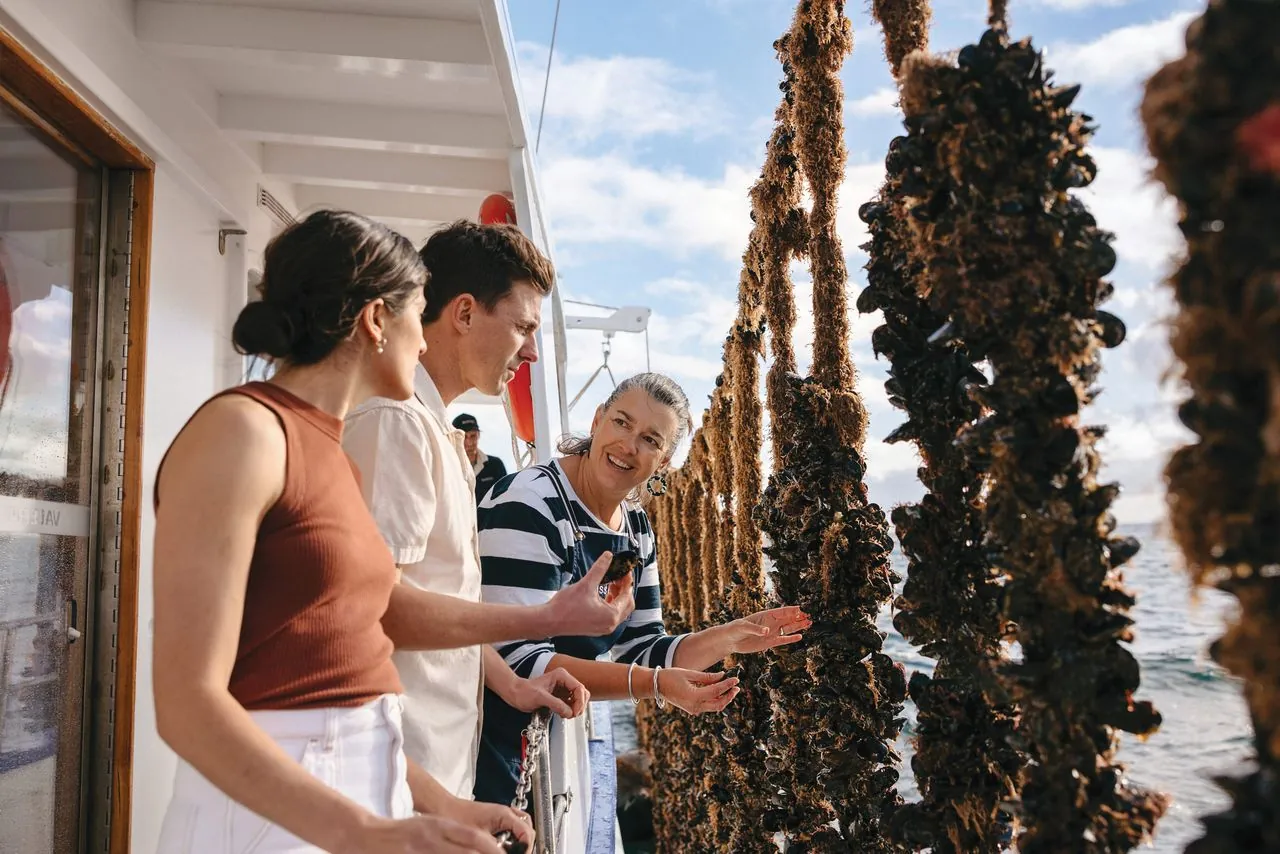
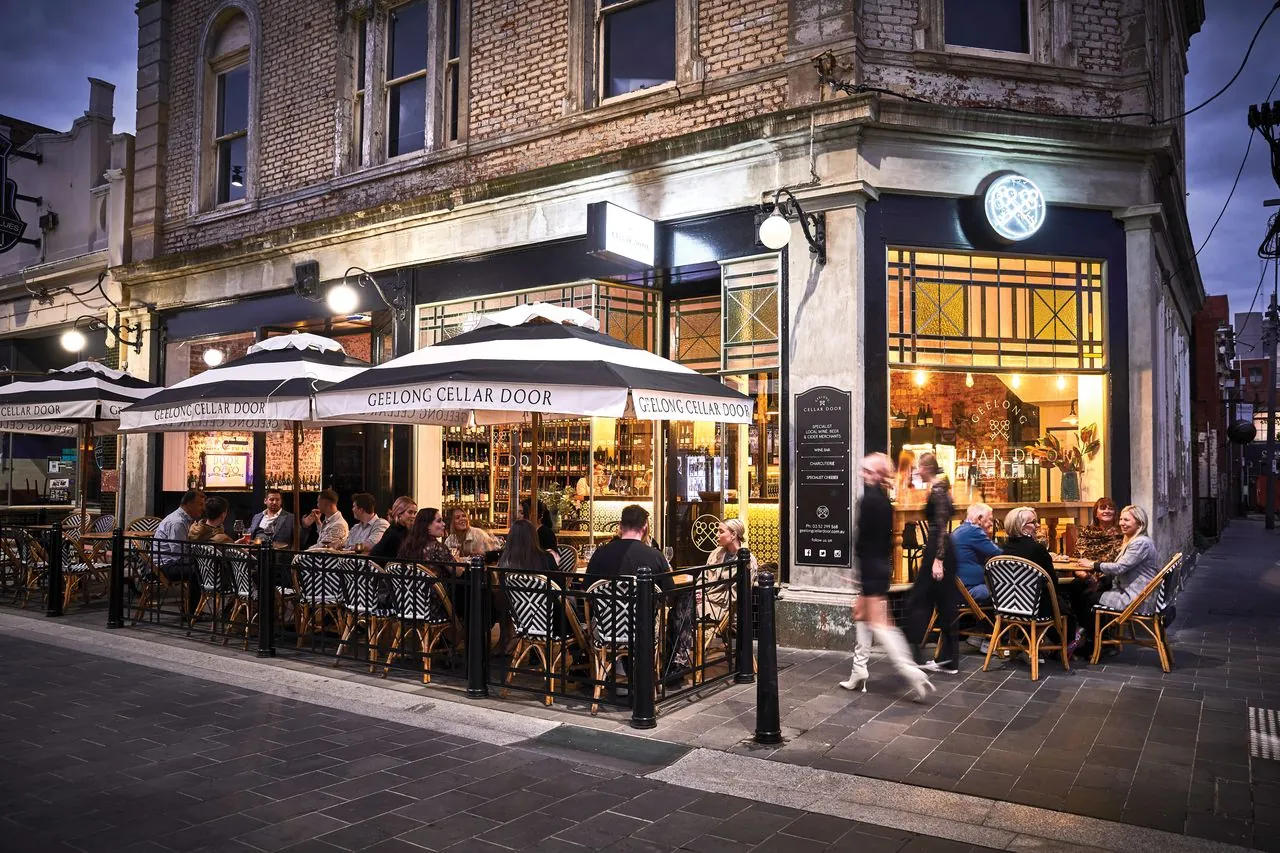
Outdoor enthusiasts can bike along the 35-kilometre Bellarine Rail Trail or explore one of many scenic coastal walking trails. Golfers have a choice of six courses, including two of Australia’s highest-ranking links. Port Phillip Bay caters to every watersport – surfing, snorkelling, diving, fishing, kayaking, paddle boarding, and sun bathers and beachcombers. A visit to the Bellarine should also include Geelong, tucked in the south west corner of Port Phillip Bay. Stroll the waterfront Bollard Trail, where more than 100 reclaimed pier timbers have been reimagined into charming characters from Geelong’s past. Designated as Australia’s only UNESCO City of Design, Geelong is full of opportunities to connect with culture. Use the Geelong Arts and Culture Trails app to locate art studios, galleries, heritage buildings, performance arts venues, and more. Dine on local and international fare on Little Malop Street and take in live entertainment.
Epic Drive
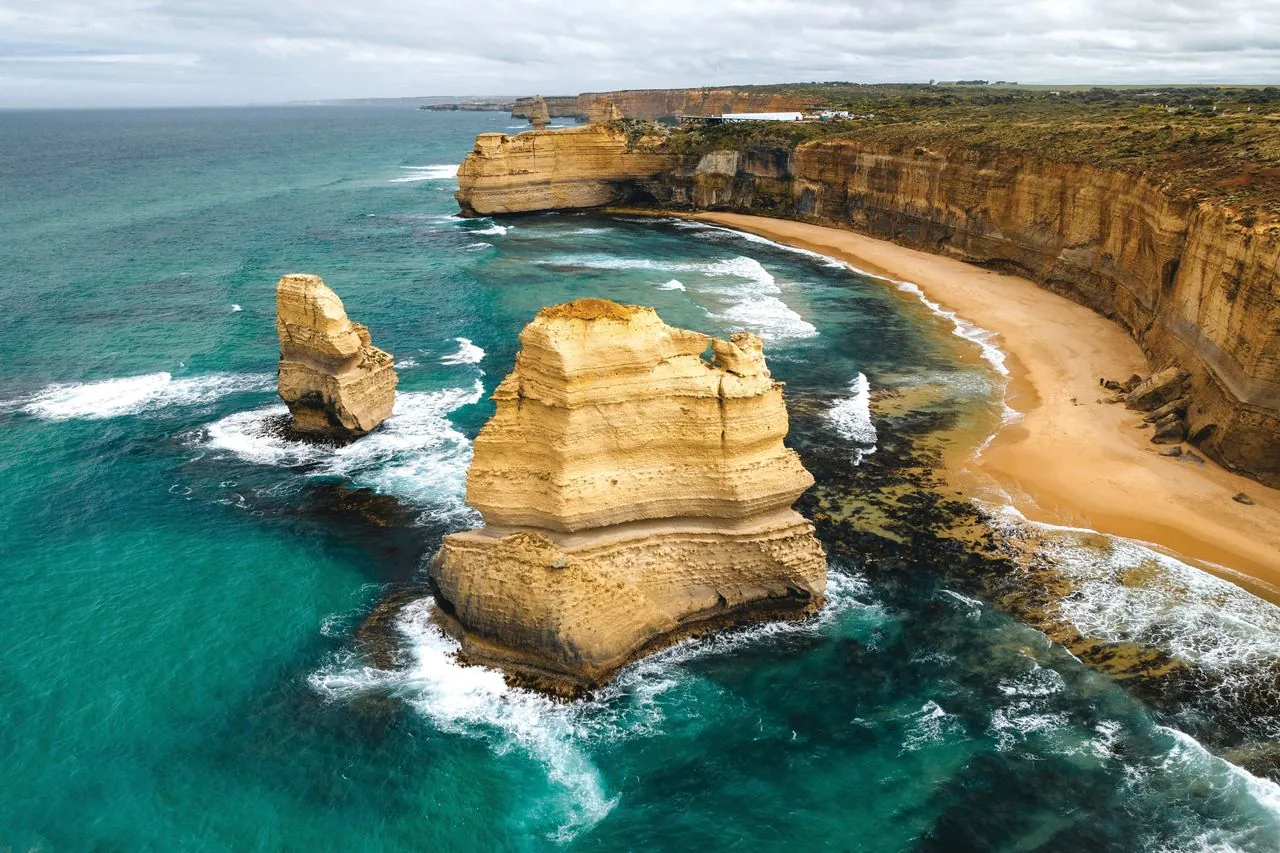
Twenty kilometres south of Geelong at Torquay is the start of the Great Ocean Road. From here, the two-lane highway meanders over 243 kilometres west ward through rugged coastlines, lush rainforests, and quaint seaside communities, earning a reputation as one of the world’s most spectacular drives. Past Anglesea, the Great Ocean Road begins to hug the coast, revealing sweeping views of rock-strewn beaches and winding shoreline. At Aireys Inlet, viewpoints offer the first dramatic vistas over crashing waves and sculpted cliffs. Past Lorne, Teddy’s Lookout provides a rare bird’s-eye view of the Great Ocean Road – where the highway winds along the edge of the hills and the ocean shimmers below. Arrive at Kennett River to take a nature walk, keeping an eye out for wild koalas in the eucalyptus trees and kangaroos on the hillsides. The 110-kilometre stretch from Apollo Bay to Peterborough is widely considered the most scenic section of the Great Ocean Road. After Apollo Bay, the road veers inland through the lush Great Otway National Park. Enjoy a peaceful walk on an elevated boardwalk at Maits Rest Rain forest Walk, passing ancient tree ferns and towering moss-covered trees. When the road returns to the coast, the awe-inspiring scenery truly unfolds. At Gibson Steps, descend 86 steps to the sandy beach below and admire the first of the offshore limestone stacks. Just over a kilometre away is the Twelve Apostles – majestic lime stone pinnacles that, once part of the mainland, were carved by wind and the Southern Ocean over millions of
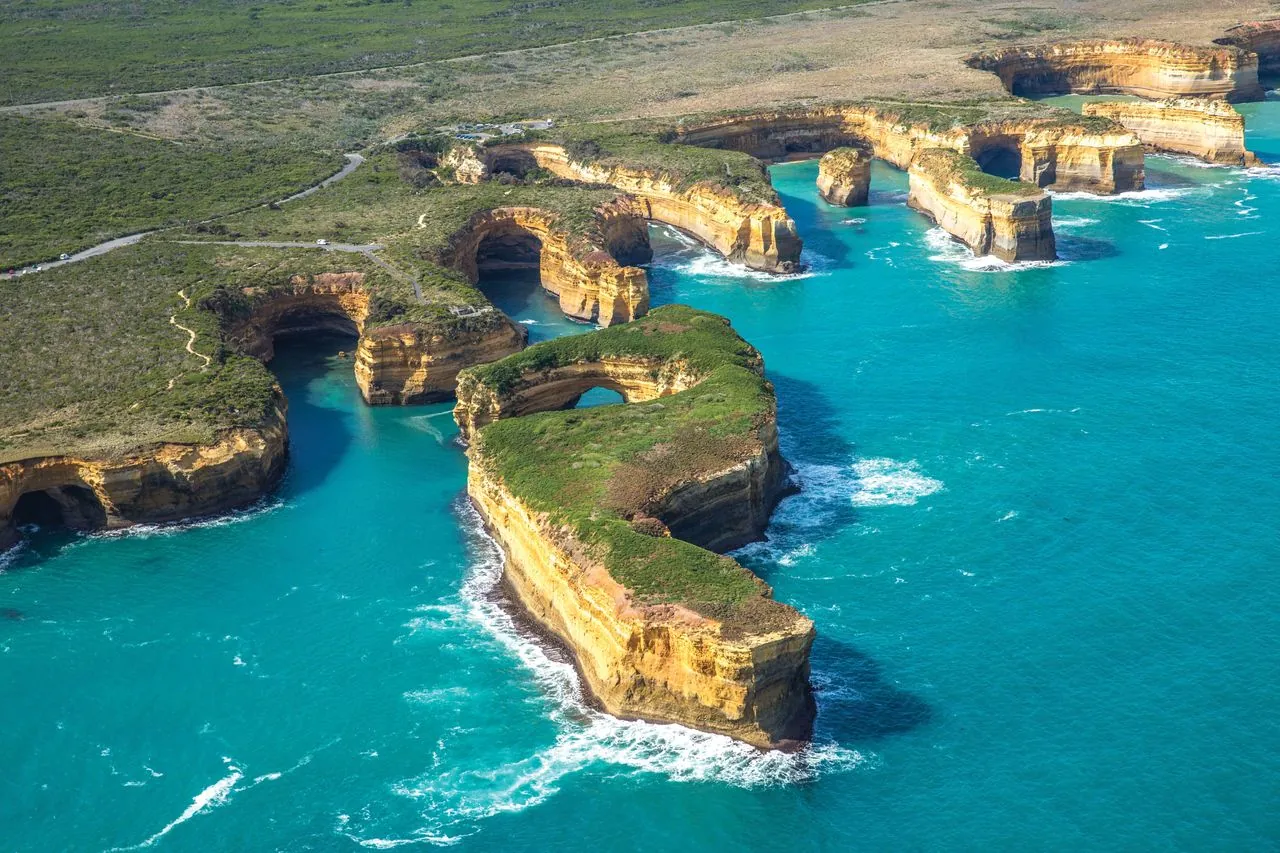
years. These formations are the most visited and photographed landmarks along the Great Ocean Road. Don’t skip Loch Ard Gorge, the Bakers Oven, and Sparks Gully, located a few minutes west. Follow the paths to the cliff edge and witness the sheer power of the ocean at work, relentlessly carving the limestone walls into arches, blow holes, and caves.
The Great Ocean Road continues to captivate between Port Campbell and Peterborough, with more impressive ocean-carved formations at London Bridge, the Grotto, Bay of Martyrs, and the Bay of Islands, before eventually turning inland toward its western terminus at Allansford. Allow at least two or more days to enjoy this drive and take the time to stop and admire the breathtaking scenery. Larger communities such as Apollo Bay and Port Campbell will have more accommodation options. All viewpoints along the route have parking or pull-outs, with some requiring a short walk on well-marked trails. Heed the poisonous snakes warning signs seriously, stay on the paths, and watch for snakes and other wildlife that may cross the trails at any time.
Melbourne
STAY: The Langham Melbourne
TASTE: Miss Amelie Gourmet Pies for award-winning meat pies at the Queen Victoria Market.
DRINK: Market Lane Coffee for a flat white with an oversized, buttery croissant (various locations).
CULTURE: NGV International for First Nations art collection; Melbourne Cricket Ground and the Australian Sports Museum for sporting history.
GEELONG AND THE BELLARINE
STAY: Portarlington Grand Hotel for fully restored Victorian-era charm; Novotel Geelong for bay views.
TASTE: Pier Street Café for steamed Portarlington mussels; Jack Rabbit Vineyard Restaurant for fine dining and wine pairings.
DRINK: Geelong Cellar Door for local wines by the glass.
CULTURE: Geelong Gallery for Australian and international art;
National Wool Museum for Geelong’s bygone industry.
THE GREAT OCEAN ROAD
STAY: Hotels, motels, and guesthouses along the route.
TASTE: Apollo Bay Bakery for a scallop pie or sausage roll.
DRINK: Sow & Piglets Brew Pub, Port Campbell for German-style craft beer.
CULTURE: Australian National Surfing Museum, Torquay for surfing history and heritage.
Written by Ming Tappin for Cruise & Travel Lifestyles magazine (Winter 2026). Photos courtesy of Ming Tappin and Tourism Australia.
Featured


Popular Articles & Videos
- Video: Meet the Wine Maker in the 'Tuscany of Austria' on the Danube
- You Need This Suitcase For Your Next Trip to Wine Country
- 3 New, Impossibly Picturesque Boutique Hotels That Make it Easy to Dream About Your Next Trip to Europe
- Cruising with History on Sea Cloud
- Video: Alaska Wildlife Encounters You Can't Miss