Circumnavigating Newfoundland on an expedition cruise with Adventure Canada
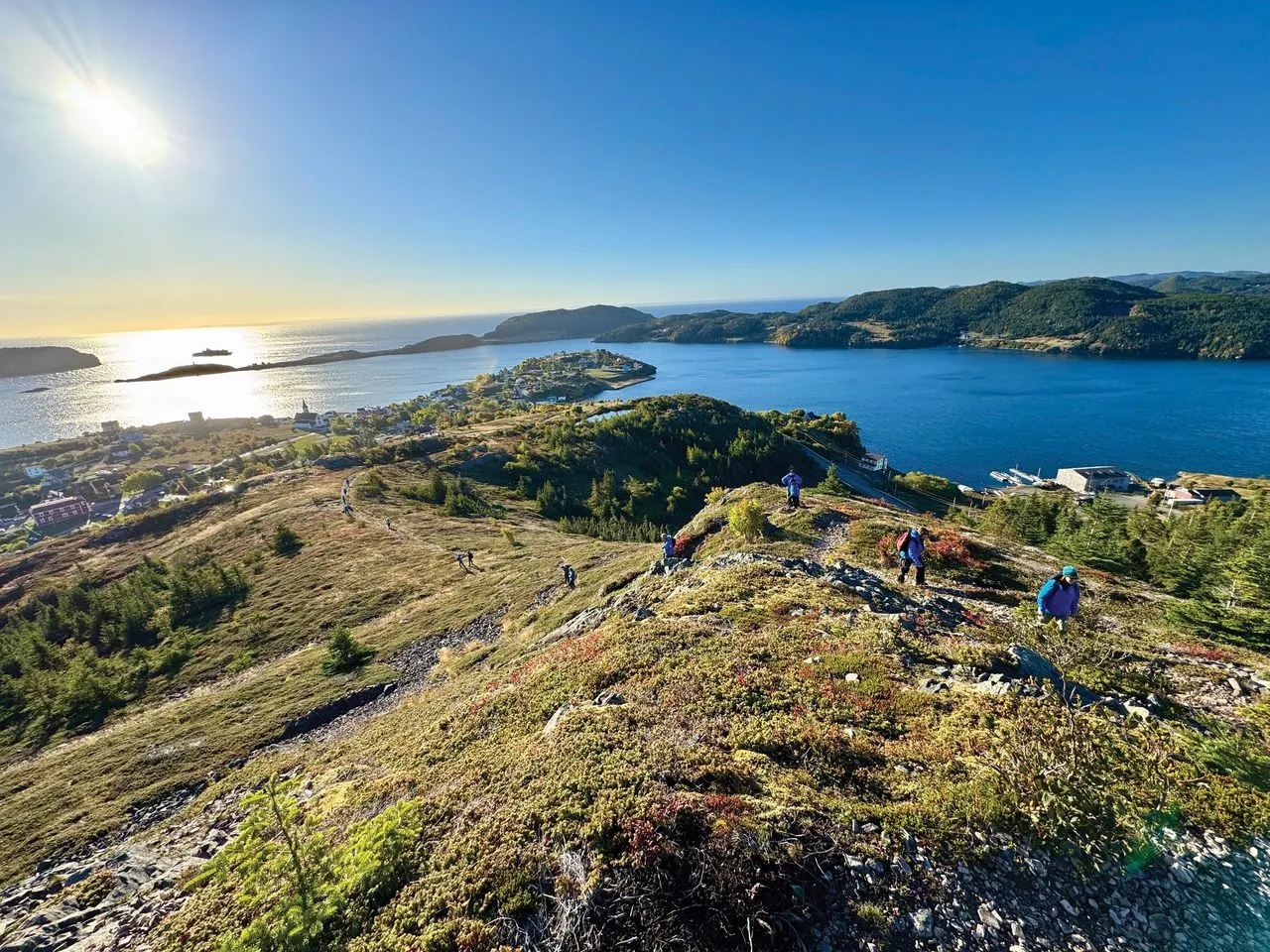
“WHADDAYAT?” Newfoundland musician and cultural educator Tony Oxford wanted to know. “Did you do some really interesting swarving today? Thankfully, it wasn’t too mauzy.”We were five days into our expedition cruise and already knew enough Newfoundland English to translate what he was saying during our daily pre-dinner gathering and briefing. “How’s it going?” is what Oxford asked. “Did you do some interesting but aimless wandering? Thankfully, it wasn’t too cloudy, foggy and drizzly. ”We had indeed swarved our way around Little Garia Bay that gorgeous October day, spotting two moose on a barren hillside during a Zodiac cruise, then free roaming on the rocky landscape and visiting “shore stations” where the expedition team filled our heads with marine biology, geology and botany. It was my sixth small-ship expedition with Adventure Canada, and I had come to Newfoundland and Labrador - a province I know well - just to sail off the beaten path to some new-to-me places. The 12-day “Newfoundland Circumnavigation” route would start in St. John’s, stop at the quirky French outpost of Saint-Pierre and Miquelon, touch in at Gros Morne National Park and Labrador, and visit Viking mecca L’Anse Aux Meadows National Historic Site before completing a clockwise loop.
Or at least that was plan A. As expedition cruising veterans know, itineraries are shaped by wind, weather, ice and wildlife. You never know what the day might bring. What struck me as I stood on a cliff one morning overlooking the outport village of Francois was just how poignant it was to see the mighty but aging Ocean Endeavour nestled in the narrow fjord for the last time. The family-owned, Mississauga-based company will now lease the more environmentally responsible 186-guest Ocean Victory and the compact and casual 75-guest Ocean Nova. We stood on the ship’s decks as Captain Dominic Harrison gracefully manoeuvred his way into the fjord at dawn instead of the afternoon to stay ahead of a big weather system. As 200 of us swarved around the colourful village pronounced Fran-sway, climbing Charlie’s Head or the more challenging Friar, strolling around a pond and watching locals repair one of the many wooden boardwalks, we kept an ear out for the warning blast to immediately return to the ship. But the winds held off, and all we heard was the music that filled the community hall as we devoured fish cakes during a “Taste of Place” lunch. When people here say “fish,” they mean cod. Salted, dried and exported as a key source of protein, cod built the economy but was over-fished. In 1992, a moratorium on cod fishing put more than 30,000 people out of work in Canada’s largest mass layoff.
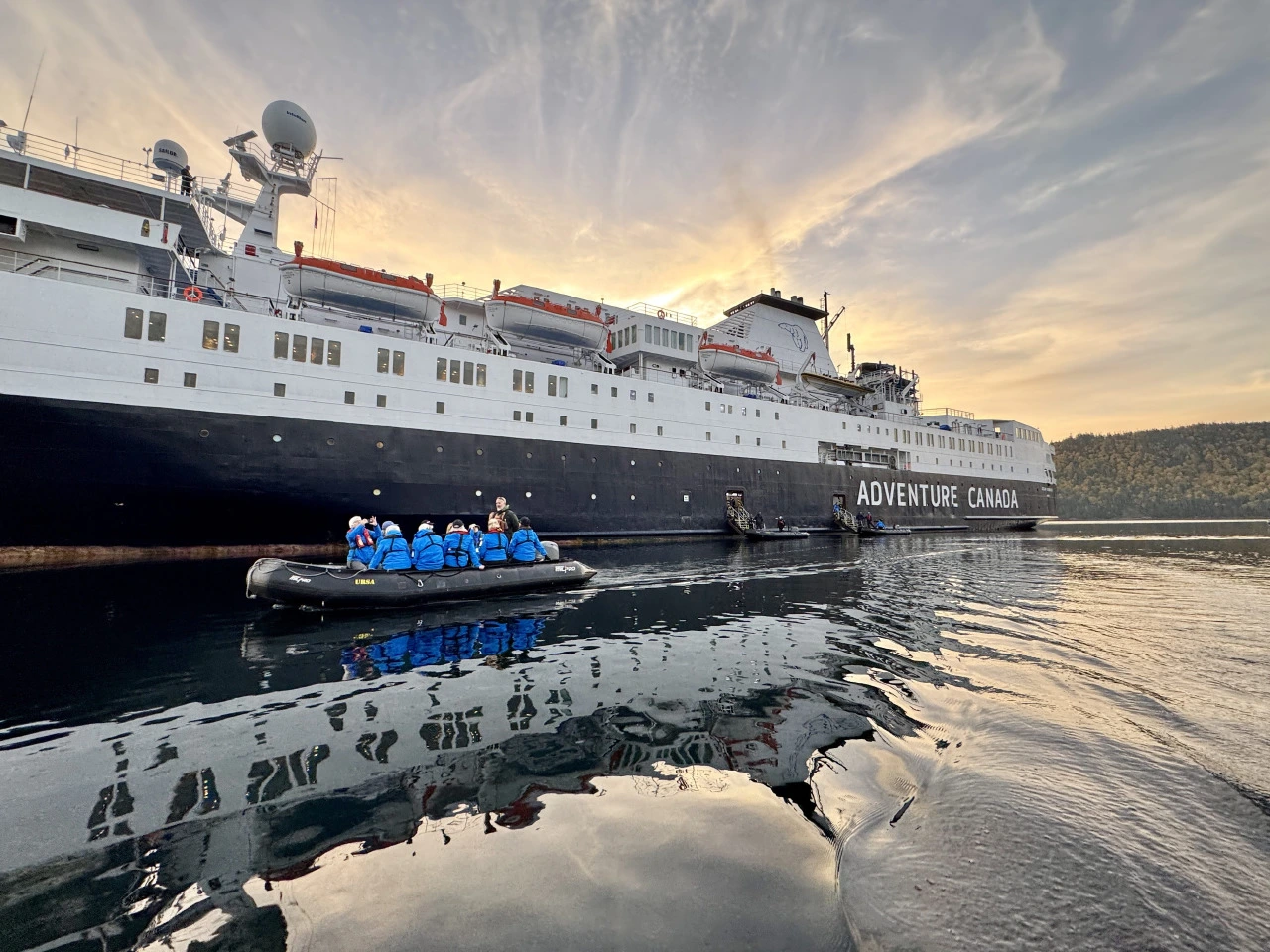
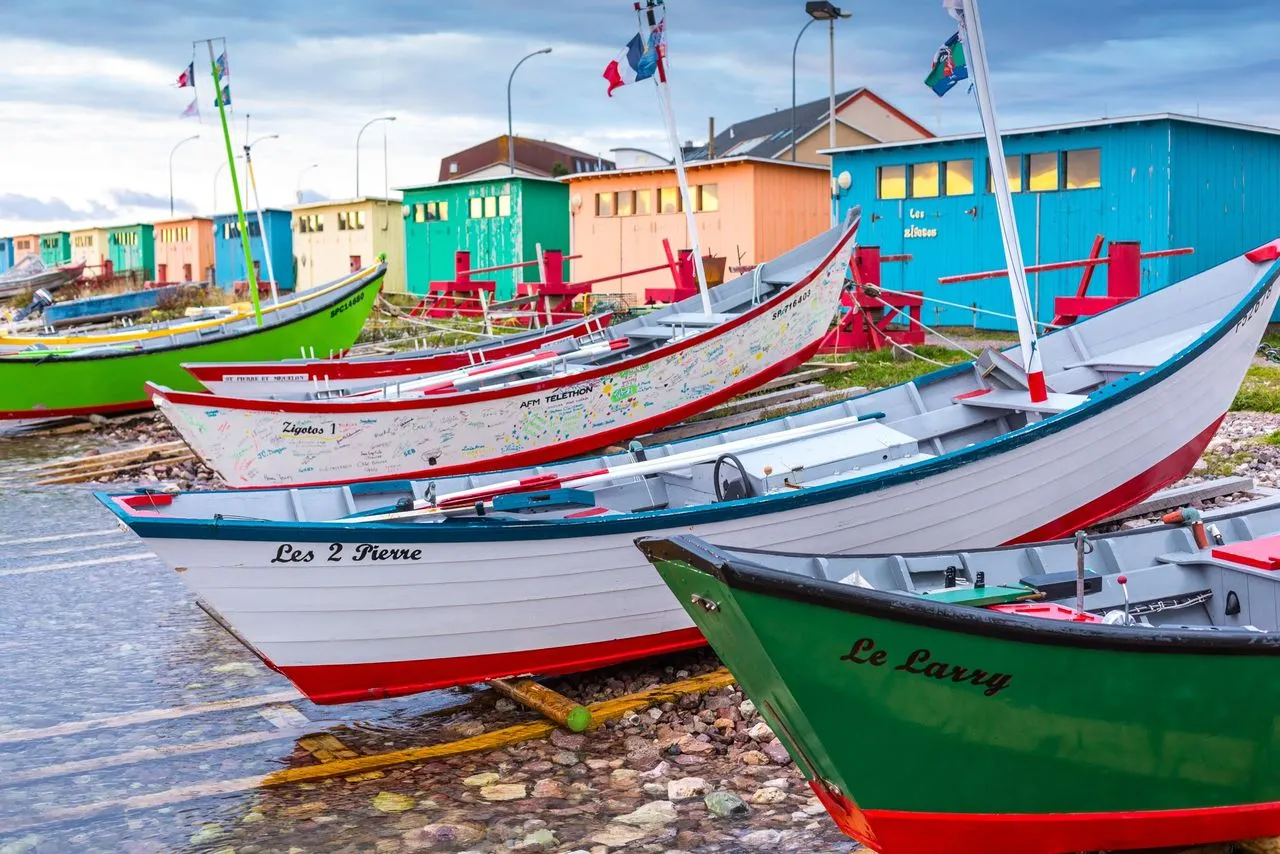
The province has never fully recovered, but cod is still fished and considered a staple. “Francois has been there since the 1700s and has continued to be there largely because of the dedication of those people to that particular place,” our expedition host Dennis Minty pointed out. “It’s dying, and it probably will disappear in time. But there’s still life in the place yet. ”Once a thriving fishing village, Francois now has barely 50 people who refuse to resettle in larger communities. Some call this southwestern stretch of the island the “Forgotten Coast,” and you can only get here by boat. “It’s a wonderful way to see Newfoundland and a little bit of Labrador,” said Minty. “This is the way that Newfoundland has been experienced for centuries - from the sea and by coming into ports from the sea. ”At one of our evening gatherings, Minty lamented, this is “probably the only piece of a province in Canada that is so often mispronounced. It’s not new found land. It’s Newfoundland - rhymes with understand. ”All things considered, our circumnavigation of the island nicknamed the Rock went well. Plan B came into play when we couldn’t quite safely reach the dock at charming Saint-Pierre and Miquelon, so we zipped to shore in Zodiacs instead. North America’s last French territory is only about 20 kilometres from Newfoundland, shares a cod fishing history but has a bootlegging story to tell, too.
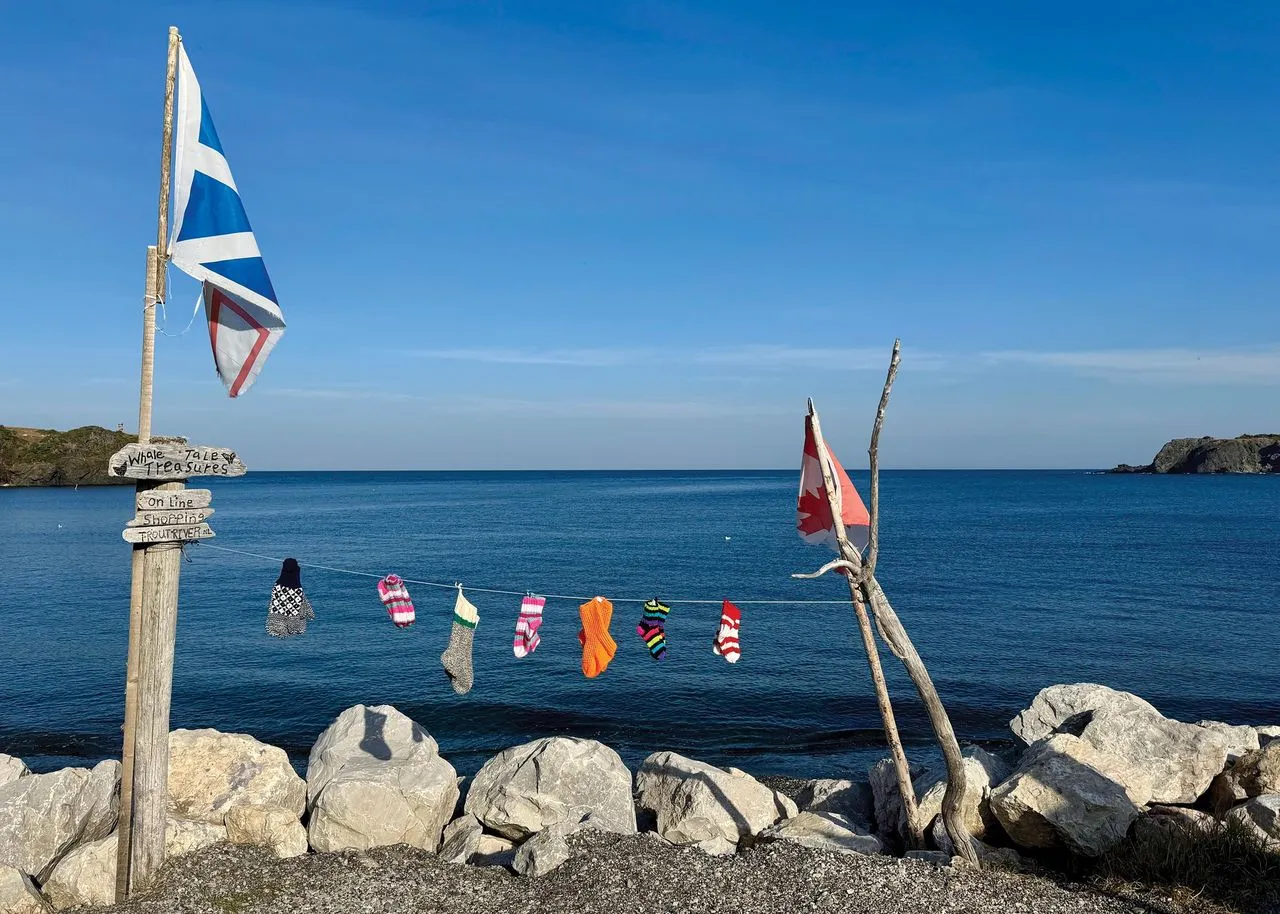
There was one mauzy day in Gros Morne when we hiked the Tablelands, a surreal orange rocky landscape where the Earth’s mantle is exposed. But the sun shone in Trout River where we hiked along the coast and went “on line shopping” (buying knitted mittens and socks from clotheslines).Not everyone got off the lurching ship in Labrador, but those who did climb into bouncing Zodiacs got to eat Red Bay’s famous fish and chips and visit Red Bay National Historic Site to learn about the Basque whaling era. Dreams of digging into the Viking story at L’Anse aux Meadows were dashed by strong winds, but as consolation prizes we did mauzy Zodiac tours by Fogo Island and swarved around abandoned British Harbour. Our last stop was Trinity, home to well-preserved architecture, saltbox homes and historic sites. “How many of you want to retire in Trinity?” asked Minty after we enjoyed a fall festival and sampled fish and brewis made from salt cod and hard bread.
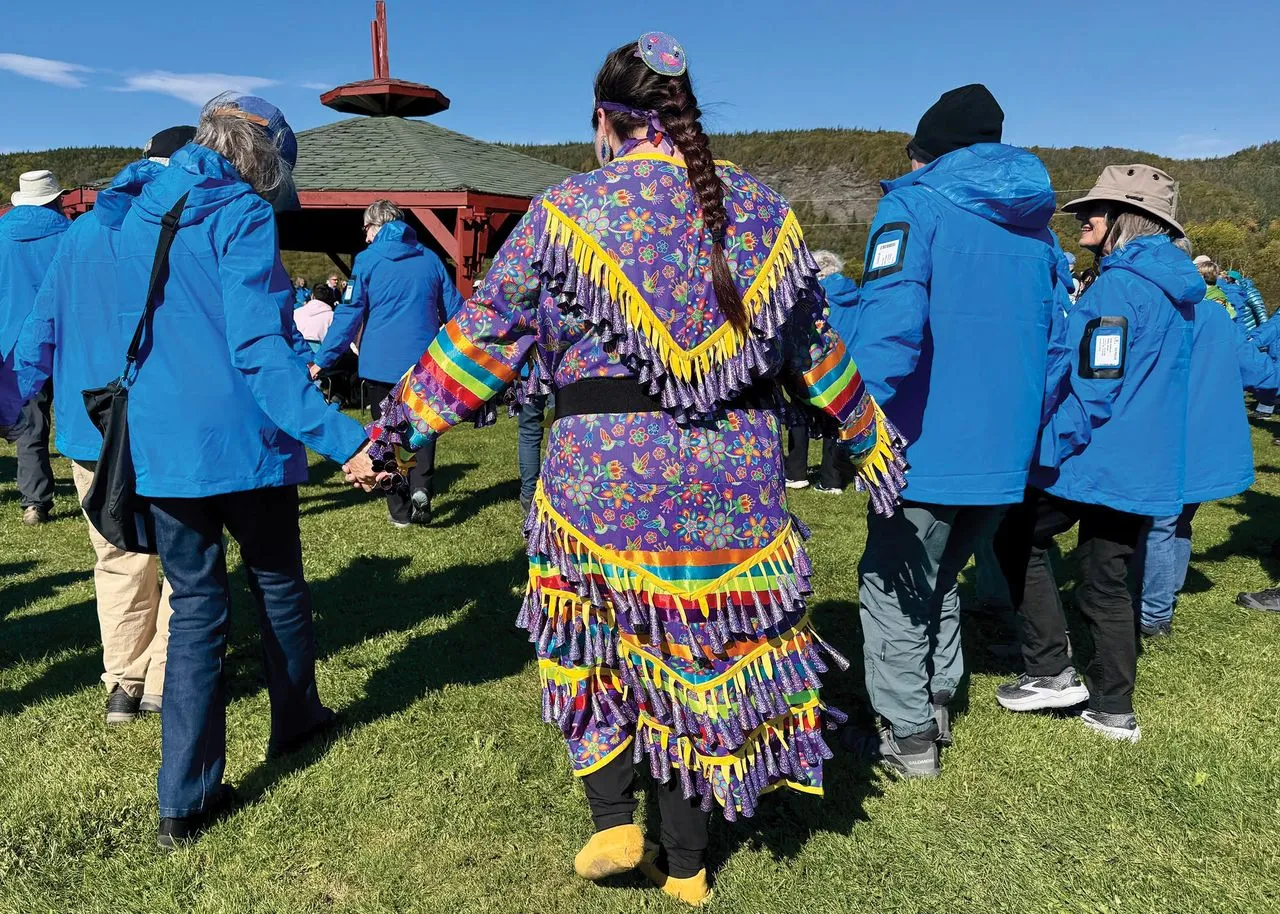
Our most powerful stop, though, was back along the so-called Forgotten Coast at the Miawpukek Mi’kamawey Mawi’omi, a First Nations reserve at the mouth of the Conne River. “Please always be eager to learn about who we are,” said Noel Joel, who welcomed us to his hometown after sharing his 2024 documentary Forgotten Warriors, which details a pivotal 1983 hunger strike by Mi’kmaw activists over federal funding. We toured the community center and community garden, ate moose soup and enjoyed a mini pow wow. As a high school group called the Rez Boys drummed, we jumped up and joined hands in two circles for a round dance that was a hoot but that also quietly breaks down barriers and builds friendships, rather like our Adventure Canada cruise itself.
Written by Jennifer Bain for Cruise & Travel Lifestyles Magazine - Fall 2026 issue