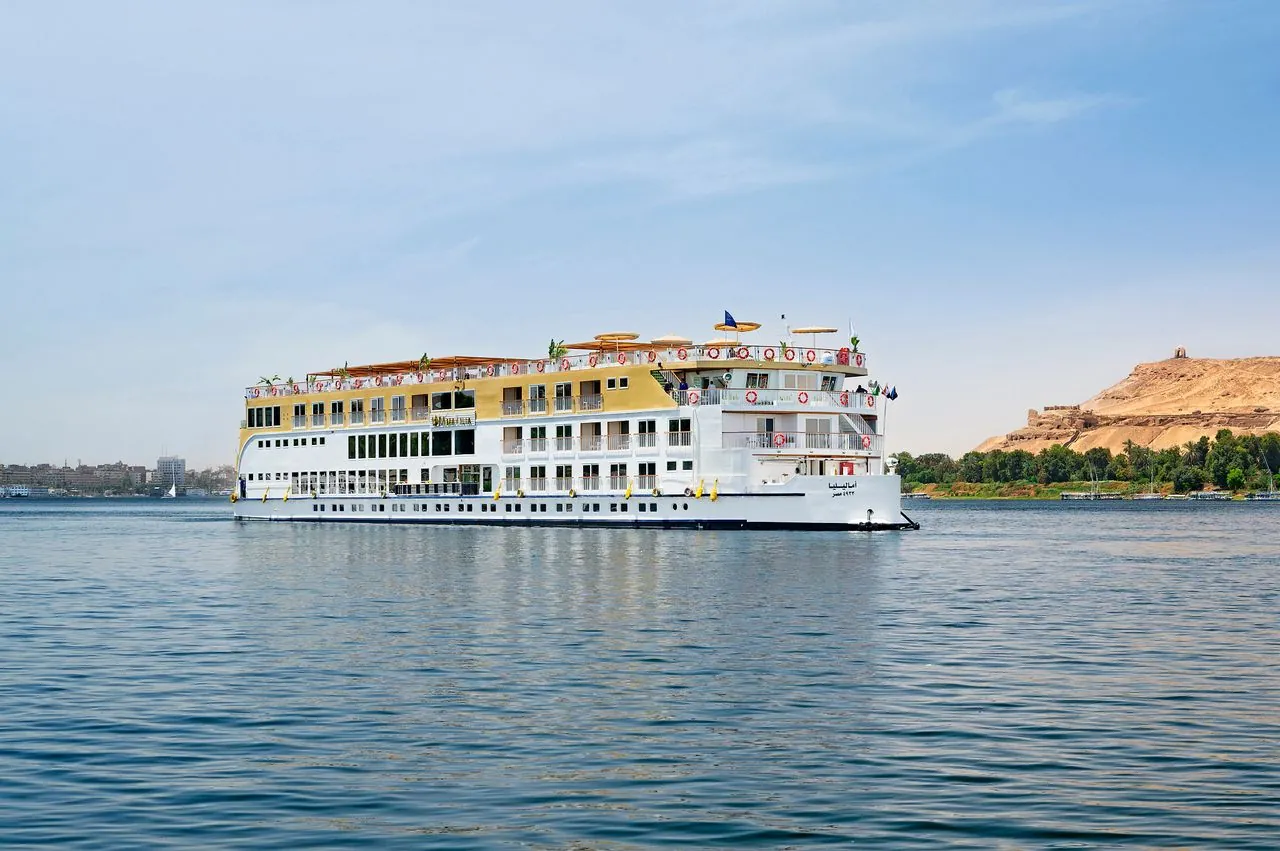
Egypt’s remarkable treasures and the allure of the Nile await you onboard AMALilia.
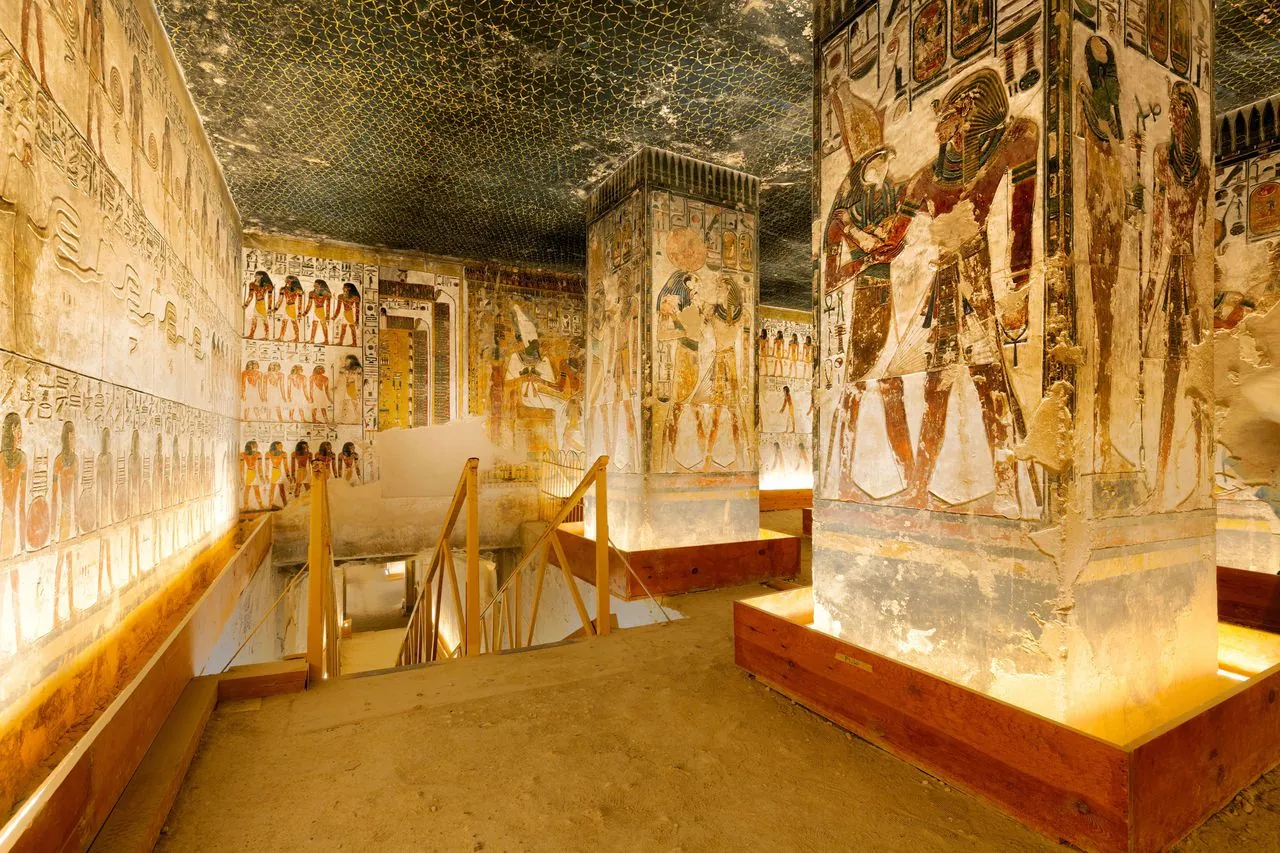
AS WE EMERGED from the Tomb of Ramses III into the bright sunlight on a very hot, 30-degree day in Luxor, I paused to consider what our group had just witnessed – awestruck by the sheer beauty that dated back thousands of years in those remarkable tomb chambers. Looking back on our time in the Valley of the Kings, I decided it was my favourite of the places we’d visited. Walking through the rough-cut tombs, brought the artistry and reverence for the afterlife to life. This is one of the most evocative architectural sites in the world, famed as the burial ground of the New Kingdom Pharaohs. These tombs were hidden underground, and each is unique in design, paying homage to a specific King or Queen. Some contain intricate corridors and chambers, lavishly painted with scenes of Egyptian mythology, funerary texts and daily life, all meant to guide the deceased safely to the afterlife.
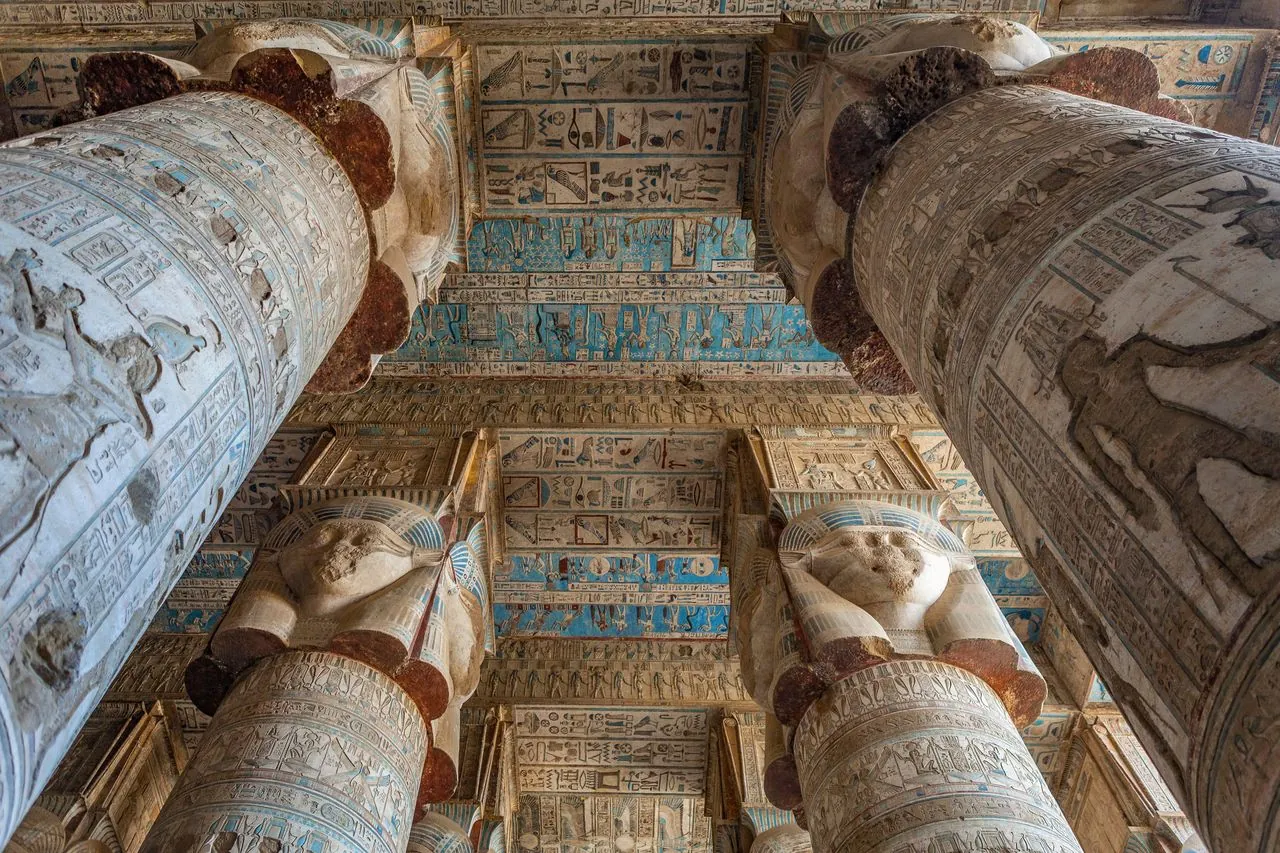
We toured several incredible tombs, each with vibrant walls and exquisite ceiling paintings, each remarkably well preserved and outstanding. The amazing tomb of Seti 1 of the Nineteenth Dynasty is the longest, deepest, and most decorated in the valley, discovered in 1817, and the beauty of these grand burial chambers, with their well preserved scenes, is astounding. There are 65 tombs scattered in the valley, and not all can be visited – several have yet to be discovered, but archaeologists know they are hidden there. With AmaWaterways, we received special tickets that gave us access to some of the most famous and beautiful sites, including the rather sparse one for King Tutankhamun, discovered in 1922. An interesting note here: King Tut died suddenly and early in his reign, leaving no time to begin building his tomb. So, the one in which he was buried was being constructed for a High Priest, not a King. Though the tomb itself is not special, when you see all the glittering artifacts of Tutankha mun at the GEM, you will be enthralled. Few journeys capture the romance and wonder of ancient exploration like a cruise along the fabled River Nile. And sailing with AmaWaterways brought this legendary waterway to life in unforgettable ways, blending modern luxury with spellbinding, timeless discoveries.
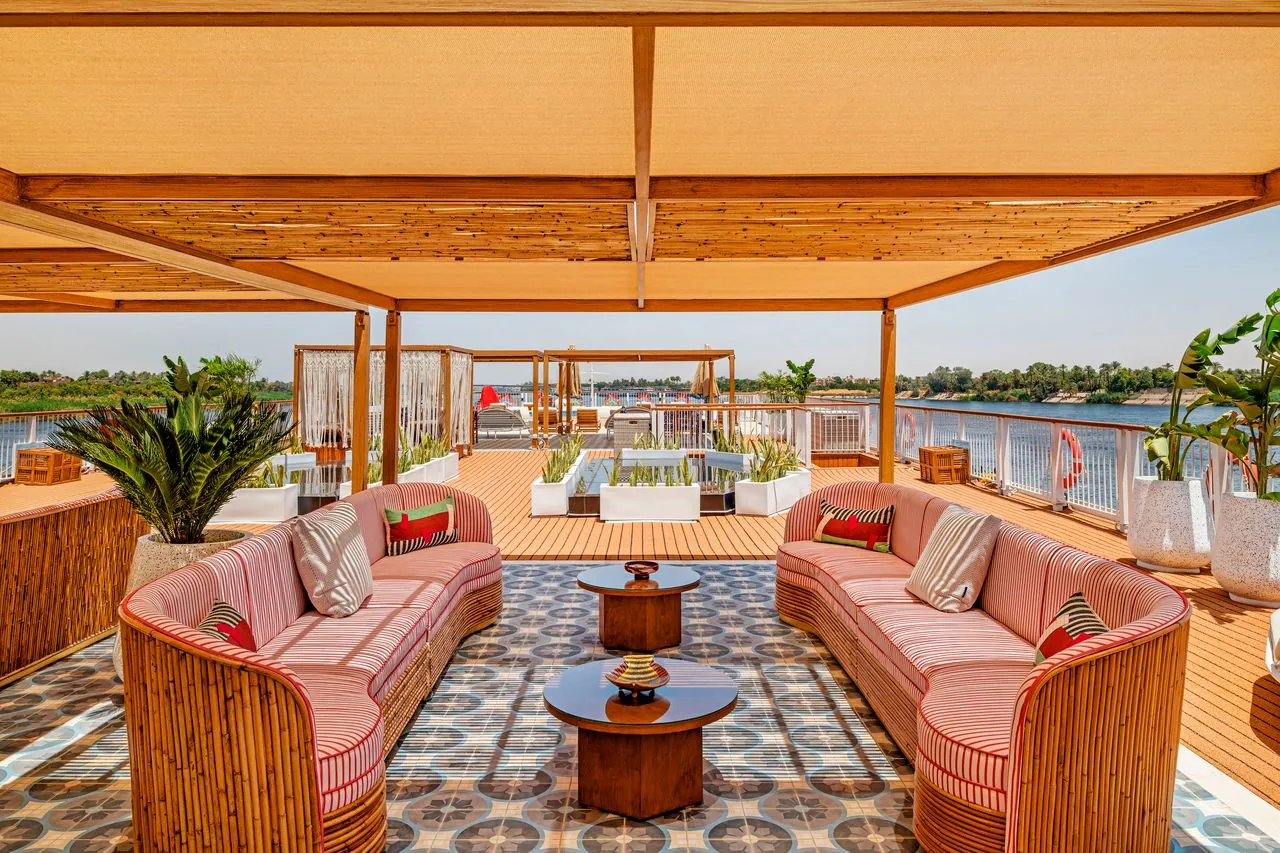
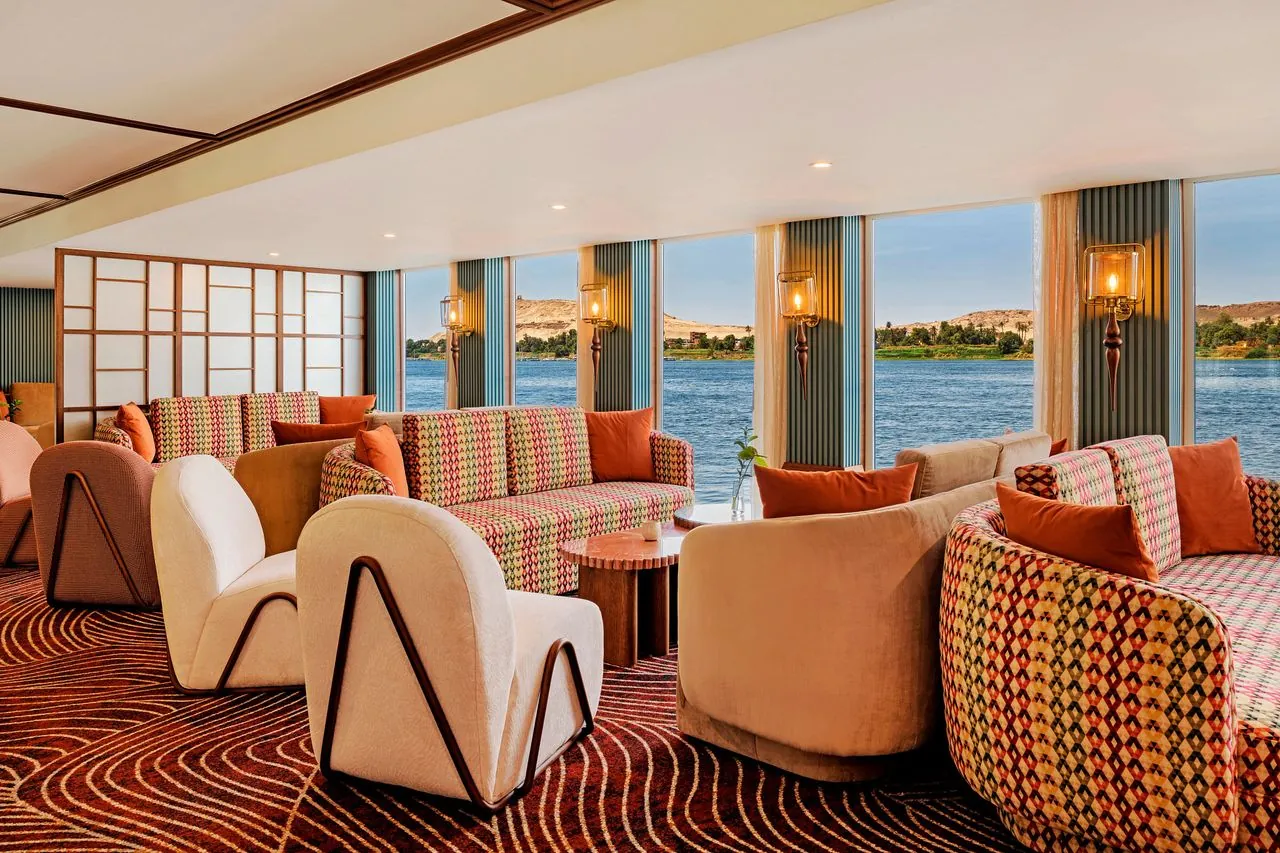
The spectacular voyage unfolded through Egypt’s dramatic landscapes and centuries-old treasures, where every bend of the remarkable river revealed story upon story written thousands of years ago. Onboard the new AmaLilia launched in 2024, the 81 guests enjoyed AmaWaterways’ famed hospitality and the comforts of boutique river cruising, with elegant and spacious staterooms and suites, a stunning upper sun deck, refined dining, and intimate guided excursions accompanied by an AmaWaterways Cruise Manager and an expert Egyptologist — everything curated to deepen our understanding – and our fascination – with Egypt’s living history. Our March adventure began in Cairo, a city steeped in contrasts. It’s a large, exceedingly busy place with traffic jams everywhere. Yet, the golden glow of the nearby Pyramids of Giza still meets the urban rhythm of bazaars, museums and timeless mosques. We stayed at the gorgeous St. Regis hotel in the heart of the city, courtesy of AmaWaterways, and we found it an oasis of elegance and calm in the city of 25 million that never seems to sleep. It was in Cairo that we visited the Egyptian Museum’s dazzling collection of artifacts.
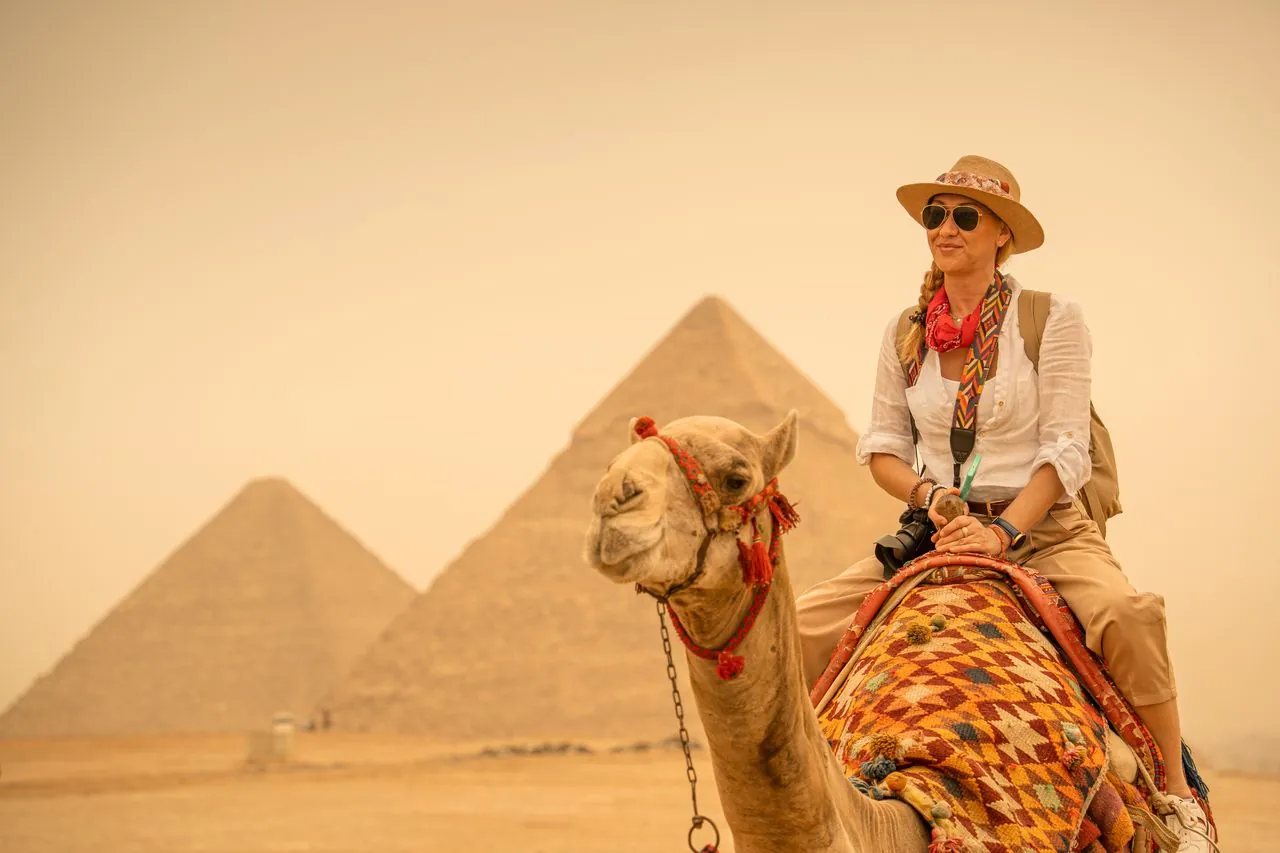
Then we were fortunate enough to spend hours at the new GEM – the Grand Egyptian Museum, which was not yet officially opened in March, but was still amazing – perhaps the most impressive museum I have seen. Dedicated to a single civilization, it houses over 100,000 artifacts and treasures, including the whole collection of Tutankhamun, which is spectacular. This very modern, outstanding museum, located a short distance from the Giza Pyramids, juxtaposes beautifully with its ancient monuments, furnishings, and more. I would recommend spending as much time as possible here, especially if you extend your land stay in Cairo at the end of the cruise. It is an unparalleled cultural and historical experience. Our days in Cairo were busy, with visits to the Pyramids, probably the most iconic image of Egypt, and to the ancient necropolis of Sakkara, with pyramids, tombs, and temples from various dynasties. Considered to be an open-air museum, Sakkara, the magnificent home of the famous Step Pyramid of Djoser, is one of the oldest stone structures in the world. We drove to another of the three pyramids, posed for photographs, and were amazed by its size. Most took the $15 US per person camel ride, which our cruise manager, Sam, organized for everyone. Then we were off to the nearby Great Sphinx – by this point, we were barely able to manage all we were seeing – it was sensory overload. During our few, busy days in Cairo, we visited the Citadel of Salah Eldin and the Alabaster Mosque. We also toured a fascinating area of the city – Coptic Cairo – with its churches and synagogues.
From Cairo, we took a short, included flight to Luxor, the second capital of ancient Egypt, where, boarding our charming little ship, purpose built for the Nile, we marked the exciting start of our seven-day voyage through antiquity. We soon learned that the sheer volume and wealth of information we would receive was phenomenal, and there was so much to absorb. From the start, guests were placed in two groups, each with an Egyptologist. We enjoyed the company of our expert, Mohammed, who was a remarkable fountain of knowledge which he was proud to impart. We wondered how he could remember so much history and keep straight the names of all the Kings and Queens who had ruled for 5,000 years. Each day brought an early start, and the weather was very warm and humid, so we learned to take an umbrella from our room to provide shade. We dressed appropriately, wore closed-toe shoes, and drank only bottled water. A security guard accompanied us, but we never felt anxious or nervous.
The Egyptians were delighted to see us and were lovely people. We walked a lot, often on uneven ground, and soon learned to stay hydrated, rest and sit as necessary and focused on our Quiet Vox headsets so we could wander
a bit as Mohammed told stories of ancient times. Cruising this lovely river not only led us to the heart of Egypt’s ancient splendour and numerous spectacular and astounding temples, but also those from the ancient Greek and Roman periods. All were incredible, and we gawked and admired the Temples of Horus, the Temple of Karnak, a UNESCO World Heritage Site, built over the course of 1,300 years, the Colossi of Memnon, the Great Temple of Kom Ombo, the Temple of Hathor– the Goddess of Love – which is the most beautiful and well-preserved, and many more! History surrounded and inspired us, and we seemed to be in a constant state of awe.
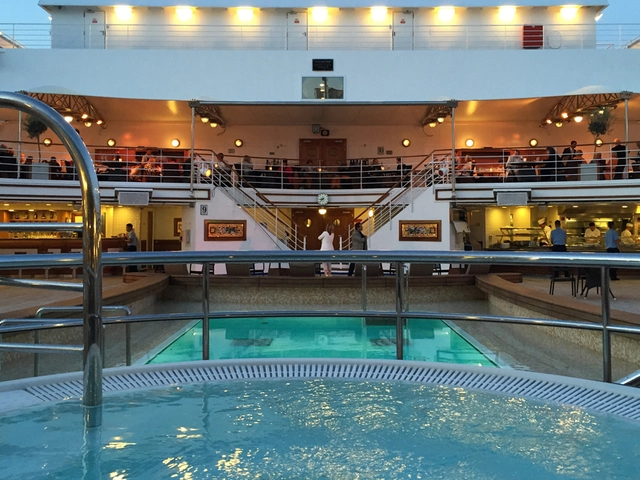
Our ship was a haven of comfort and charm, with marvellous, warm service from a delightful crew, wonderful accommodations, and excellent cuisine – a mix of local and western dishes. The head chef was ever-present and happy to make dishes upon request – I enjoyed a specially made, wonderful bowl of pasta one evening. As is typical of AmaWaterways, everything ran smoothly and just about everything was included. One evening, we reserved a table at The Chef’s Table, an intimate restaurant, for a special Egyptian menu served to all guests, course by course and described by the Maître d’. And there were fun evenings of entertainment to enjoy onboard, including a Nubian show during the complimentary Sip & Sail pre-dinner drinks hour, a belly dancer and Tanora show, which is an Egyptian folk dance, where males wear colorful layered skirts and spin continuously – rather like a whirling Dervish performance. A very special evening featured all guests and staff dressed up in local costumes for a Galabeya party, complete with headdresses.
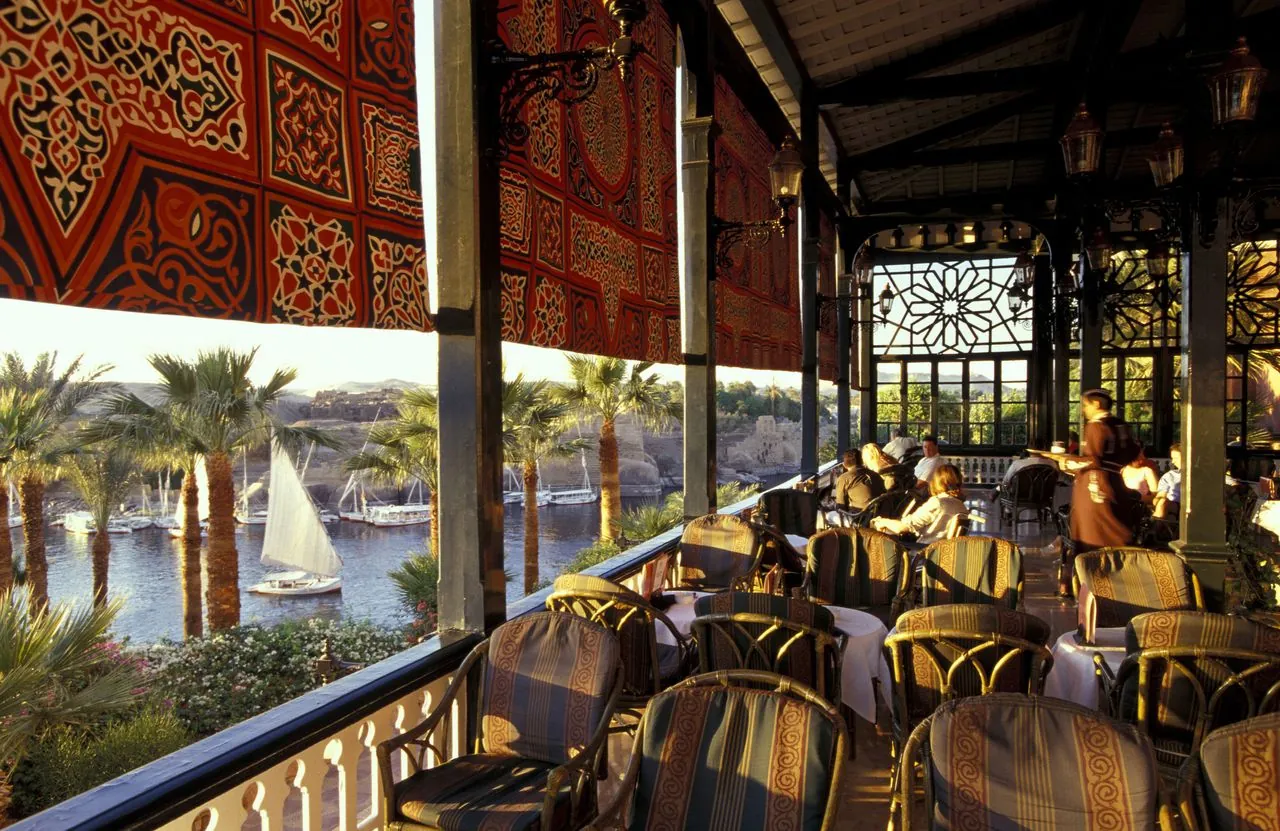
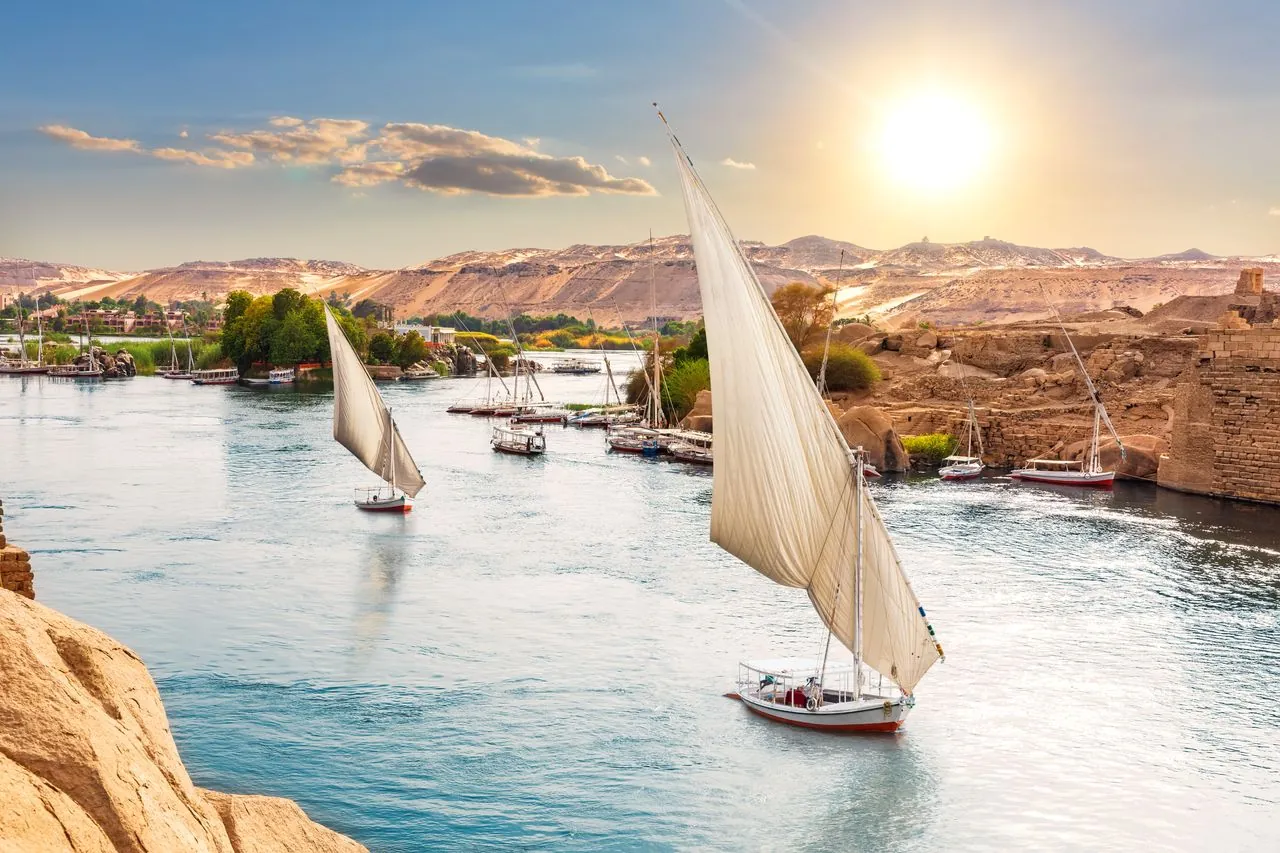
There is a shop on board where some items could be purchased, but many of us bought a Galabeya - a long robe or dress - from local merchants. A very fun evening indeed and something memorable. Another favourite day was in Aswan, where we boarded a felucca, a traditional Egyptian sailboat, for a ride around beautiful Elephantine Island, then on to a colourful Nubian village, where we were greeted with music and dancing and offered tea. From there, we visited the Temple of Philae, an important structure that was famously relocated to avoid flooding from the Aswan High Dam. In the afternoon, we enjoyed a very special outing to the famous Old Cataract Hotel, a British Colonial hotel dating back to 1899 and the locale where Agatha Christie stayed for months as she wrote Death on the Nile. Although a little touristy, the hotel is stunning, and we were escorted to an outdoor terrace for afternoon tea, replete with perfectly polished sandwiches and many other treats. It’s an optional excursion at an extra cost of $55 USD per person, but the view of the river, the feluccas sailing by, and the sunset were well worth the price – the experience is memorable and feels surprisingly historic.
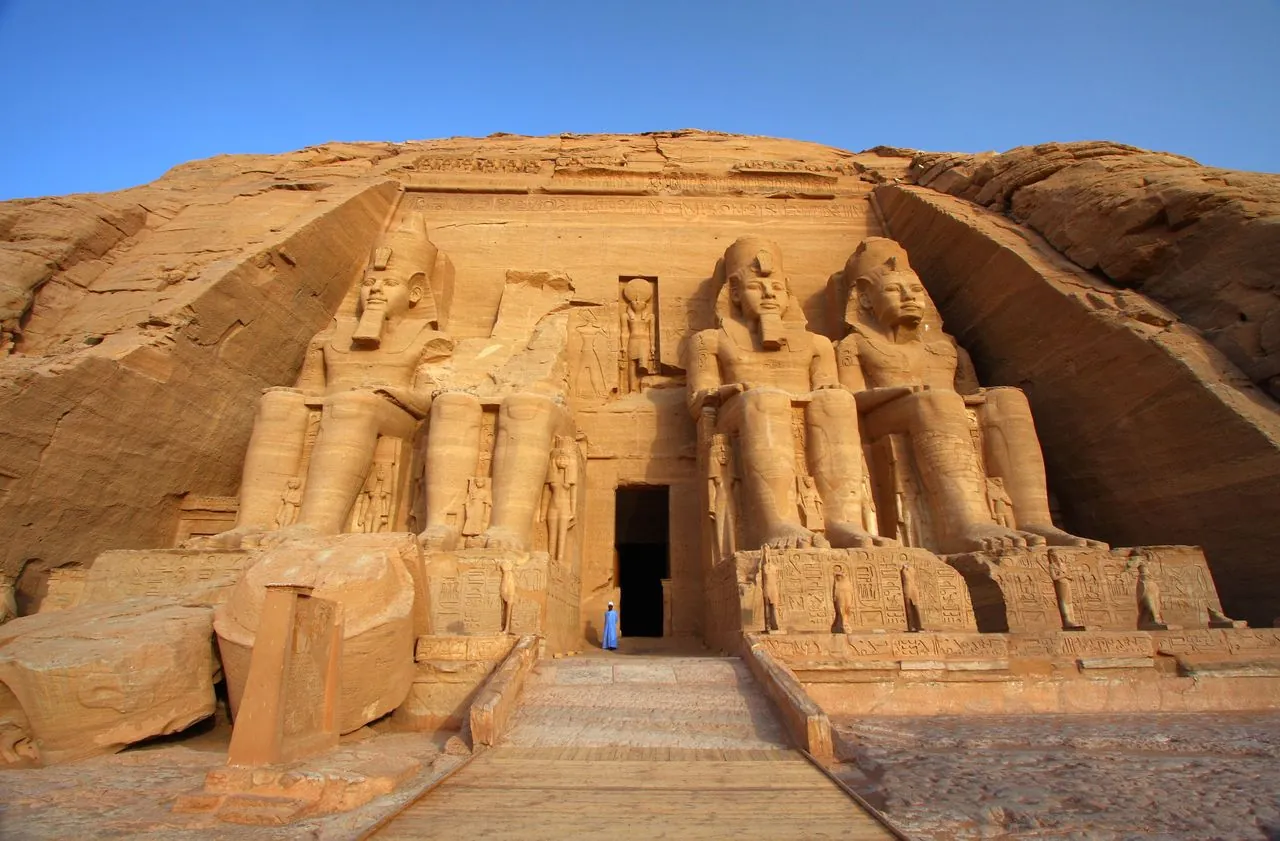
On another day, very early in the morning, most guests chose to fly to the majesty of Abu Simbel, in southern Egypt. This historic archaeological site comprises two temples built by Pharaoh Ramses II in the 13th Century BCE. The entire complex was moved to higher ground to save it from the rising waters of Lake Nasser – an international engineering feat led by UNESCO. The façade is famous, featuring four colossal statues of Ramses II, each over 65 feet high. The cost for this optional but must-do excursion is $395 US a person, and everyone said it was worth it. Egypt and the lovely Nile River made a deep impression on all of us. It is a remarkable place full of beauty and stunning buildings. History leaves its magic touch time and again as you visit one magnificent site after another. The river is beautiful and charming, and we saw farmers working their land, young people in boats trying to sell us their wares, and animals grazing on the banks. There was a timeless beauty and something quite magical permeating our trip to this fabled land, which ensured we would never lose our sense of wonder, and that’s just as it should be.
AmaWaterways can organize a visa for you, which we highly recommend – you will be met at the airport and provided with it. And I suggest you include AmaWaterways airport transfers as well. The currency is the Egyptian Pound, and it’s wise to carry a lot of small notes with you – for tips and, particularly, for washroom visits, where they are a must to gain entry! US Dollars are also recommended. And, at the entrance to every major site, there is a market full of wares being hawked by locals – and you must walk through it to gain access. Try not to make eye contact if you aren’t interested in buying. And if you are, then haggling is a must. It can get extremely hot and humid. Wear cool, light clothing, closed-toe shoes for the uneven ground and steps, and have access to bottled water at all times. One fellow guest rather cleverly brought a small battery-powered fan, which he used at many of the sites we visited. You will also be up and on tour early most days – get sleep when you can! Be aware of local customs and dress appropriately when visiting mosques or churches. Lastly, be amazed – it’s a remarkable country.
Written by Vanessa Lee for Cruise & Travel Lifestyles magazine (Winter 2026). Photos courtesy of AmaWaterways.
Featured
Popular Articles & Videos
- Video: Meet the Wine Maker in the 'Tuscany of Austria' on the Danube
- You Need This Suitcase For Your Next Trip to Wine Country
- 3 New, Impossibly Picturesque Boutique Hotels That Make it Easy to Dream About Your Next Trip to Europe
- Cruising with History on Sea Cloud
- Video: Alaska Wildlife Encounters You Can't Miss