Exploring and enjoying two countries with fascinating and different coastlines
The Way We Travel Says A Lot about our personalities. My preference is to gravitate toward edges, places where land meets sea, where history and modernity co-exist, and a bit of grit mingles with the natural beauty. A fall journey island-hopping along Croatia’s Adriatic coast, and then south into Montenegro, provided that perfect balance – islands and walled cities, forest hikes through mountains and exploring through labyrinthine streets and alleyways. There were many surprises around hidden corners and unique experiences to be enjoyed, making the journey that much more special.
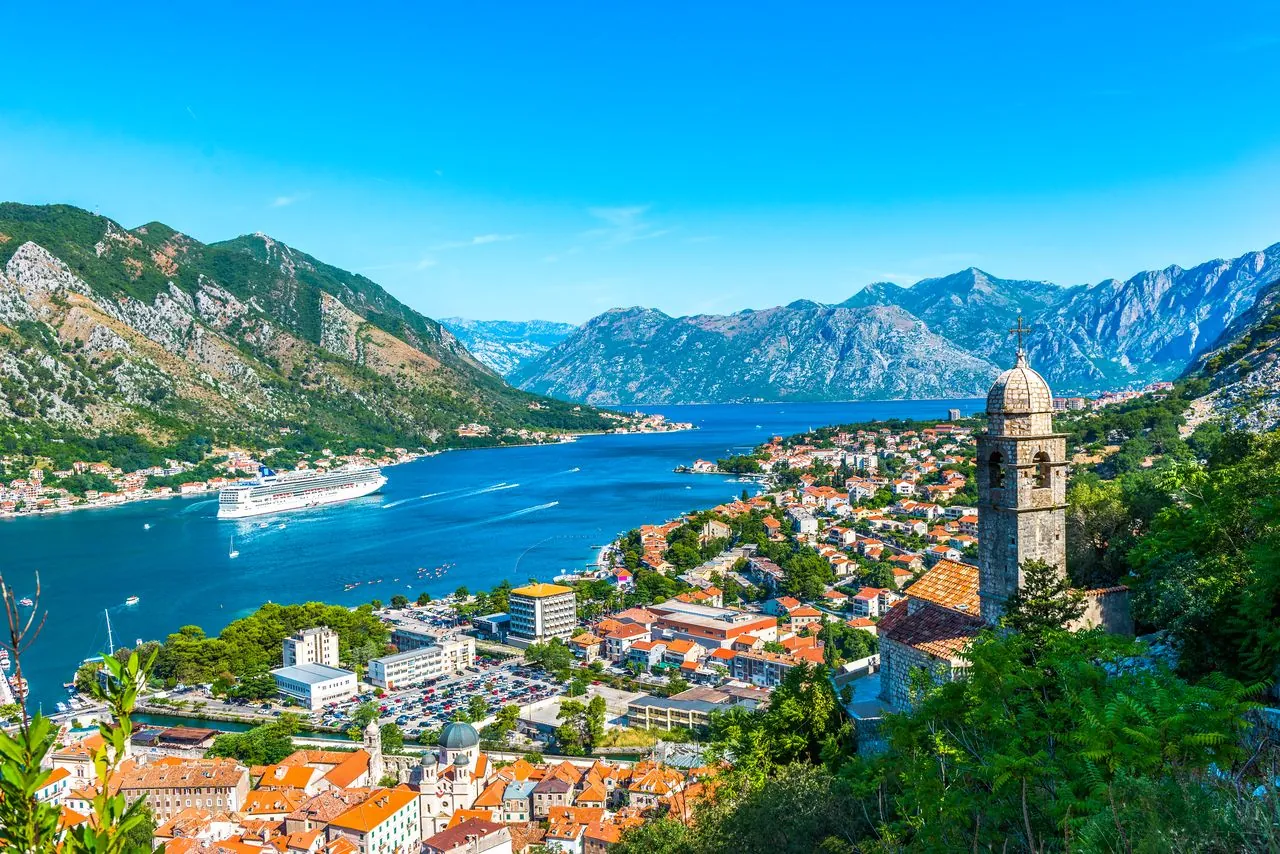
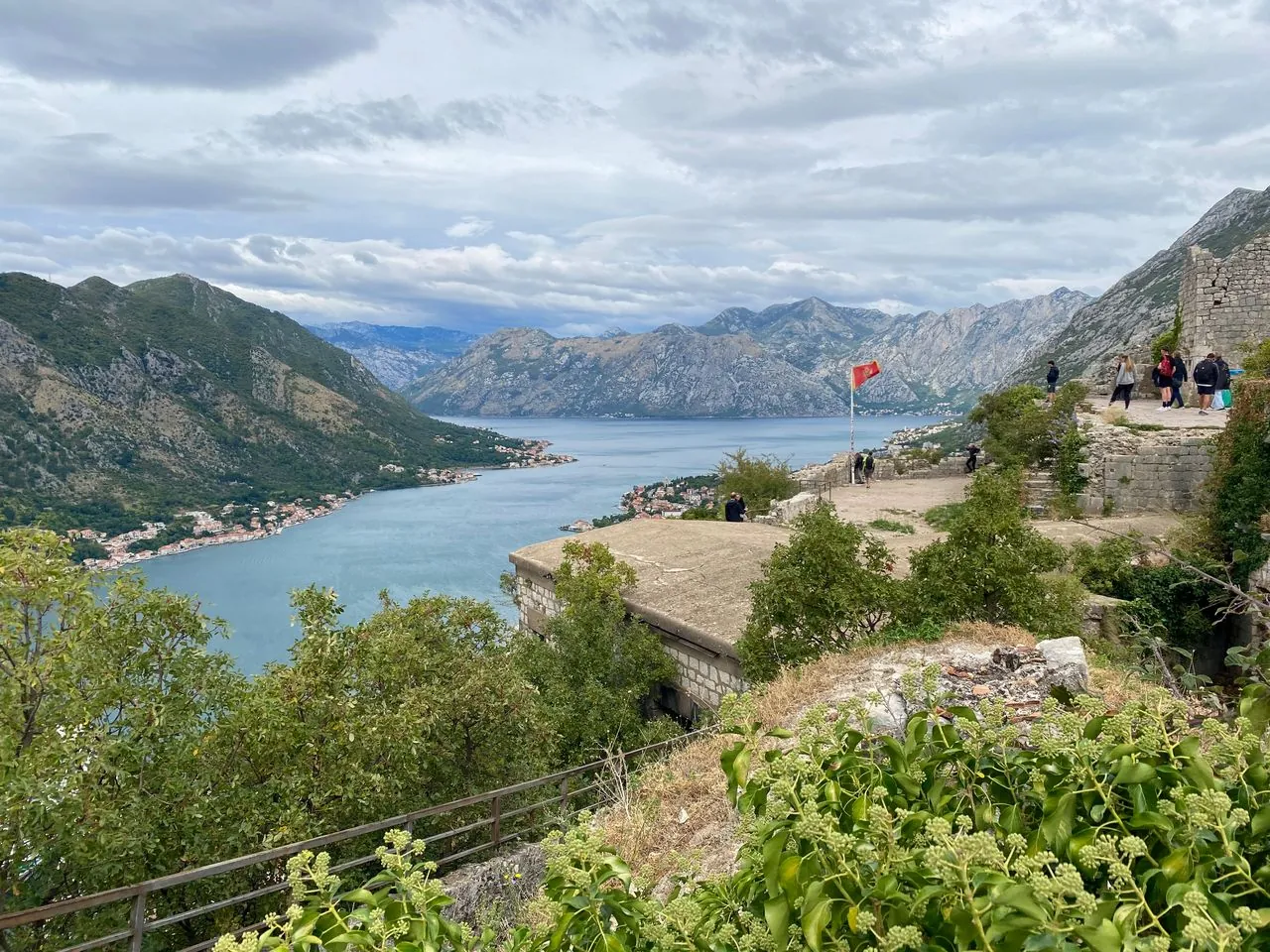
Croatia and Montenegro may share a coastline, but their geography differs. In southern Croatia, mountains slope gently toward the sea, and dozens of islands scatter across the horizon. In Montenegro, cliffs plunge into narrow inlets and bays, villages hug the coast, and the fjord-like landscape of the stunning Bay of Kotor, veiled in shadows, contrasts sharply with the bright, sun-washed Croatian coast.
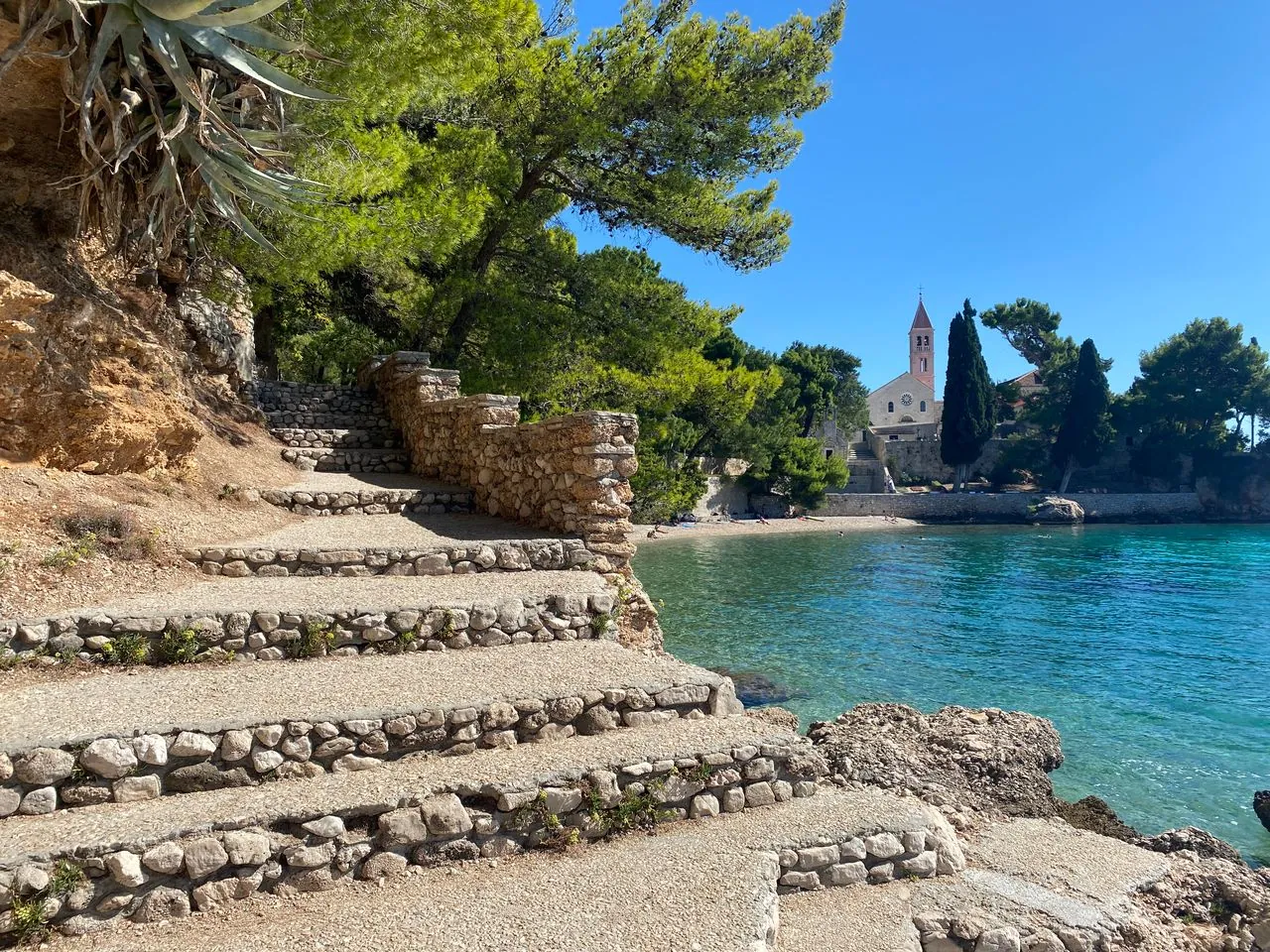
In both these countries, the highlight was discovering the unexpected, both in well-travelled parts and in locations more off the beaten path. In Croatia, I ventured to some of the more famous islands off the Dalmatian coast in the southern part of the country. But even on these “known” islands, there was much to discover that no cursory Internet search would reveal. On the island of Brač lies the renowned Zlatni Rat Beach – or Golden Horn – a narrow, pebbled spit that juts into the sea, its shape shifting with the wind, and its golden hue burnishing when the sun sets. A 10-minute walk from this beach was a rocky cove where I swam naked, my bathing suit hanging from a tree branch, my body hidden from other swimmers. I hadn’t imagined following a rough meandering path on Brač, through stone and scrub, en route to a secluded 16th-century monastery, now a museum. It was the same path the Glagolitic priests walked several centuries ago. While I wore a small backpack, I learned that more than 12 men had carried a grand piano along this same path while drinking wine from a 57-litre goat bladder.
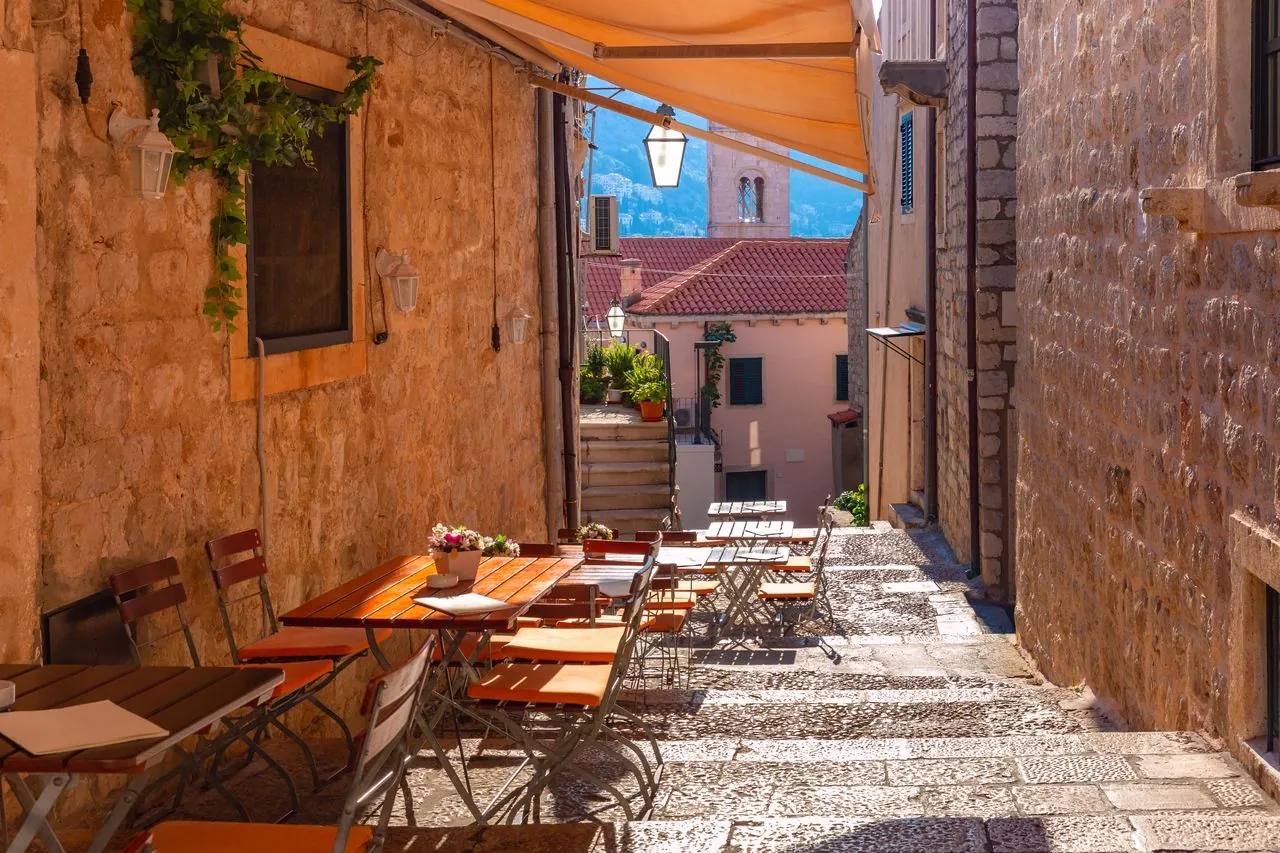
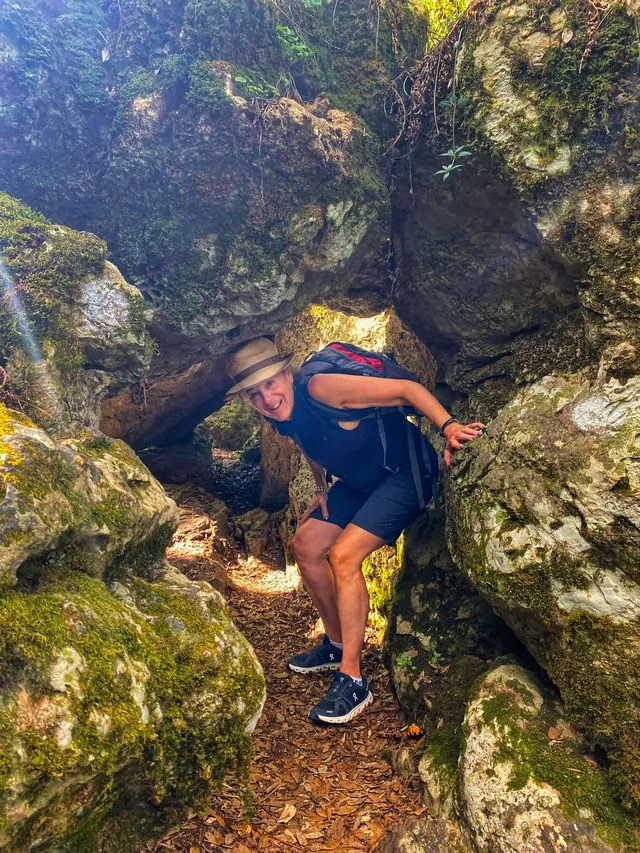
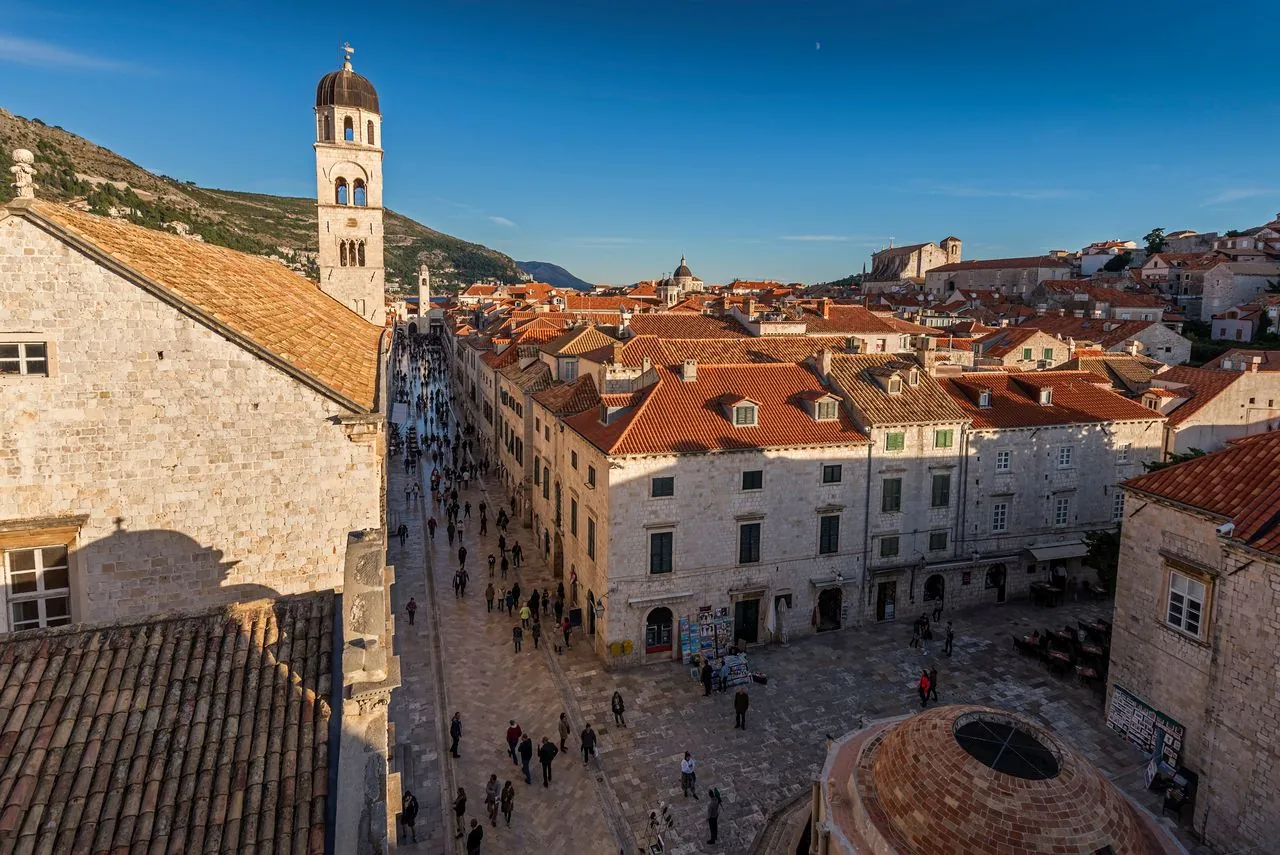
The island of Korčula tempted us to explore its walled Old Town, with its maze of narrow, cobbled streets described as a mini Dubrovnik. While there were bars and cafés at every turn, we were happy to climb a steep wooden ladder up to the small opening of a 15th-Century defense tower for a glass of wine at a rooftop cocktail bar, where the drinks are delivered by pulley. Korčula is known to be an arid island but Kocje National Park, not far from the Old Town, is surprisingly lush. We hiked through dense forest, navigating past moss-covered boulders and under ivy-laced oak trees. At one point, our guide Vedran shared a local legend about dancing fairies and a villager flautist. Shrouded in the leafy stillness, it wasn’t difficult to imagine.
Mainland Croatia also had its surprises. Though white wine is usually my choice, especially in hot weather, in the Dingač wine region, in the rugged Pelješac Peninsula, the robust red wines captured my heart. Created with the native Plavac Mali grapes grown on improbably steep slopes, the rich, fruit-flavoured signature reds at Matuśko Winery were nothing less than seductive. We enjoyed this same wine again in Ston, a town known not just for wine and seafood, but for its 5.5-kilometre-long stone walls built in the 14th Century to protect the town’s salt pans – salt being a coveted resource to the region’s economy. Though Dubrovnik’s walls are famous, Ston’s are among the longest in the world.
Montenegro, our next stop, is a small country, south of Croatia and north of Albania and Greece. It’s a common destination for Europeans, but far fewer North Americans travel here. Arriving in the coastal town of Kotor, even getting to our Airbnb felt like a journey. We entered the city’s walls, climbed a steep staircase with our suitcases and then realized it was the wrong set of stairs! We finally entered a building with exterior walls covered in peeling paint and crumbling concrete – like so many buildings there – only to find a bright, modern apartment, with an open-concept living room and kitchen. Its original stone walls had been preserved as part of a UNESCO World Heritage site. In Montenegro, the modern and the crumbling often mingle.
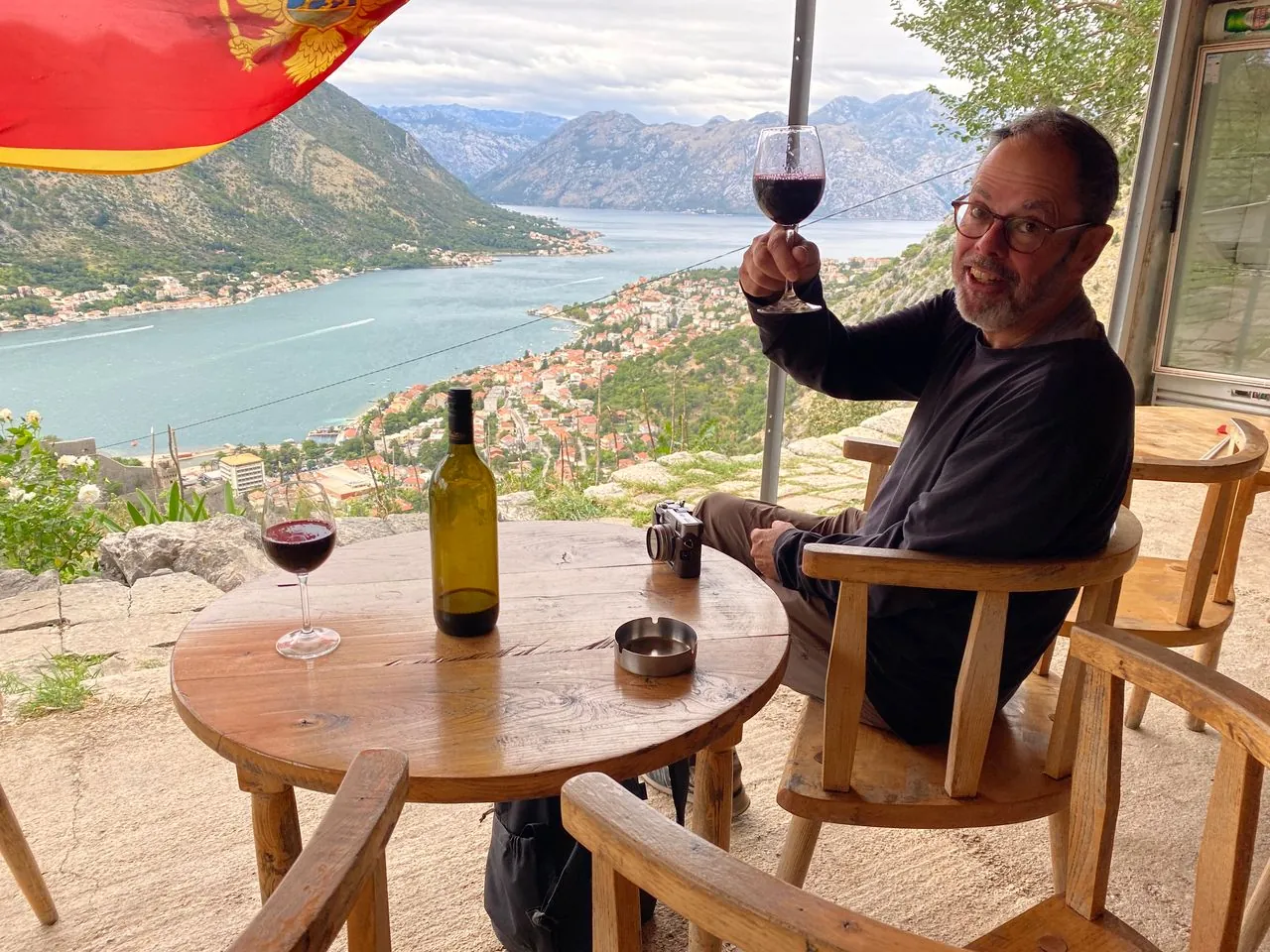
The Bay of Kotor, on which the town sits, is one of the more striking landscapes I’ve ever seen: deep azure blue water enclosed by cliffs, medieval villages dotting the coastline and a bevy of tiny islands – like Our Lady of the Rocks. A photographer’s dream, a bright 17th-century-blue domed church glistens at its centre. Simply seeing a photo had convinced us to go there. But it was on a hike to San Giovanni Fortress, starting from a trailhead just outside the town walls, where we experienced the most beautiful views of the bay. Returning along the popular Ladder of Kotor trail, we took a small turn, past a grove of sheep – their bells ringing sharply through the cool mountain air – and stumbled on a shepherd’s hut. A man in a track suit and slippers offered us a carafe of local wine, and a platter of goat’s cheese and freshly baked bread, which we enjoyed at a wobbly wooden table in an open cave-like setting. It was an unusually perfect seaside dining moment.
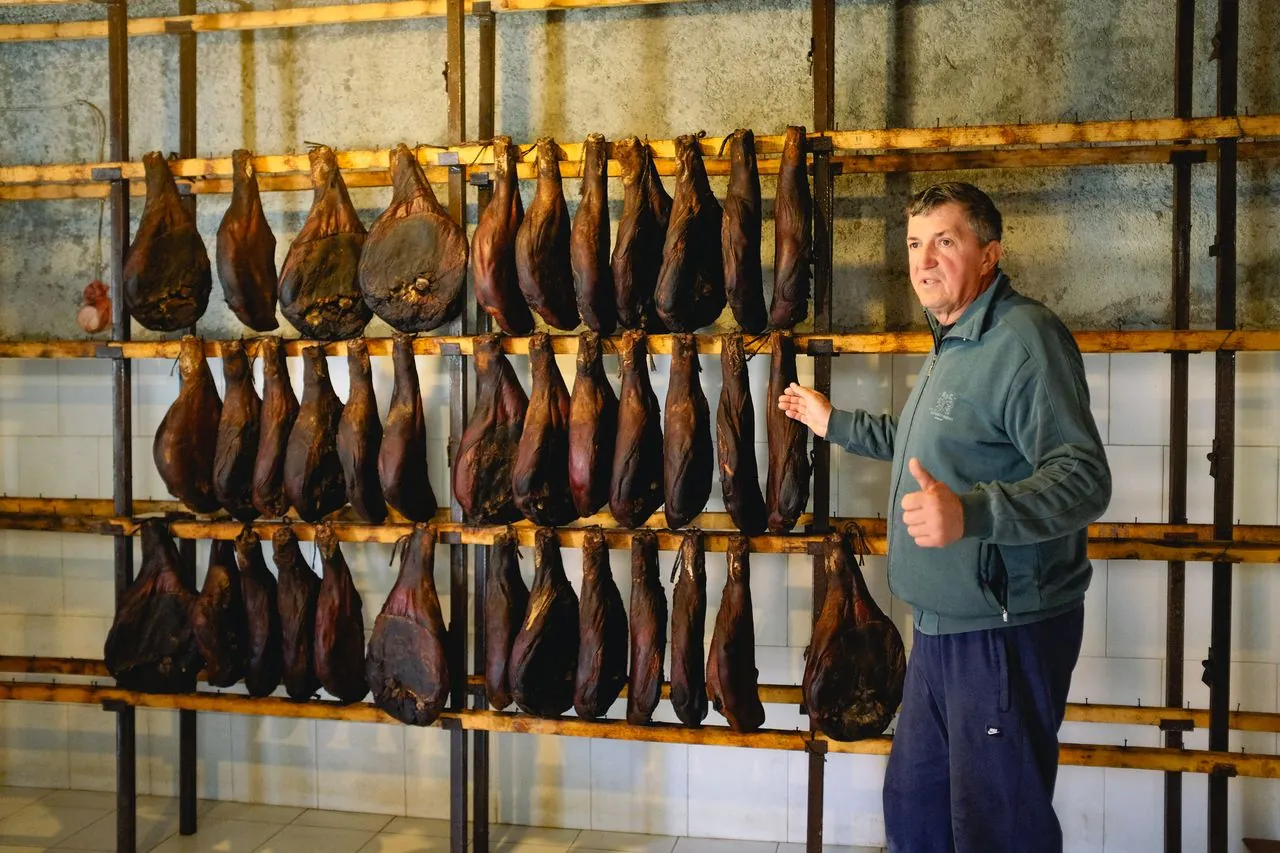
Leaving Kotor felt slightly intimidating: we wanted surprises, but not to veer off the serpentine coastal route with its 25-hairpin bends, displayed in sharp zigzags on the car’s navigation screen. Fortunately, our Albanian driver Maksiljan (hired through daytrip.com), was responsible for navigating. “Ah, fresh air,” said Maksiljan, as he rolled down the window. “You can be sure that what we eat today will be very good.” What we ate turned out to be exquisite smoked prosciutto sampled at a family-run smokehouse in the village of Njeguši that Maksiljan hadn’t known about, but my husband – a smoked meat afficionado – had somehow discovered on the internet. Prosciutto hung above us from the smokehouse’s rafters as we sampled thinly sliced pieces, washed down with their rakija, Montenegro’s national fruit brandy drink, distilled in a small copper still next door.
We had lunch at the oldest continually operating restaurant in the country. Rather than being in a claustrophobic smokehouse, we dined on the same cured ham al fresco, with a clear view of the mountains in the distance. One of our final destinations in Montenegro was Lovćen National Park. We had heard hiking would be good in Montenegro. The country’s name, translated in English as “black mountain,” implied this, but sometimes unexpected weather can add a dramatic touch to the landscape. When we hiked the Wolf Trail through quiet forest under unseasonably cool skies, dark clouds hung heavily in the sky, and strips of blue water and green mountains below formed a layered backdrop. Surrounded by so much stillness, I was reminded of something Maksiljan had said earlier: “Consider yourself travelling with friends. Everything that is possible we can do.”
This sentiment reflected the spirit of our travels. Two countries, one coastline, and an openness to discovering new geography, unexpected beauty and some fabulous secrets even in well-known places.
Written by DIANA BALLON for Cruise & Travel Lifestyles Magazine, Summer 2026 issue